You likely believe your home is your safest investment. You have maintained the garden. You have updated the kitchen. You even invested in modern insulation to save on energy bills. On paper, your property value should be rising. But for thousands of UK homeowners, a hidden "improvement" in the attic is creating a financial nightmare.
The secret is out. Mortgage lenders across the country are blacklisting properties with certain types of insulation. What was marketed as a "miracle" solution a decade ago is now a major red flag for surveyors. In many cases, it is devaluing homes by tens of thousands of pounds. Some properties have become entirely unmortgageable.
The Rise of the Mortgage Roadblock
For years, spray foam insulation was sold as the ultimate home upgrade. It promised airtight seals and lower bills. However, the reality for the UK housing market is much grimmer. Major lenders, including high-street banks, have tightened their criteria.
If a surveyor spots spray foam during a valuation, the process often stops immediately. Lenders worry about what is happening behind the foam. Because the material covers the roof timbers, a visual inspection is impossible. If a surveyor cannot see the wood, they cannot guarantee the structural integrity of your home.
This creates a massive problem for sellers. You might find a perfect buyer. They might offer your asking price. But if their bank refuses the mortgage, the sale collapses. This often forces homeowners to sell to "cash-only" buyers. These buyers frequently demand discounts of £50,000 or more to cover the risk and the cost of remediation.

Why Lenders Are Terrified of Spray Foam
It is not just about visibility. There are serious structural concerns involved. Spray foam, particularly closed-cell varieties, creates a non-breathable barrier against your roof tiles and rafters.
- Trapped Moisture
Condensation is the enemy of any roof. Without proper ventilation, moisture gets trapped between the foam and the timber. - Wood Rot
Over time, this trapped moisture causes the wooden rafters to decay. You cannot see the rot because the foam hides it. - Structural Failure
In extreme cases, the entire roof structure can become compromised. Replacing a roof is an immense expense that no lender wants to inherit.
Lenders view spray foam as a ticking time bomb. They prefer traditional materials that allow for airflow and easy inspection. If your loft is currently sprayed, you are essentially sitting on a "hidden" defect in the eyes of the banking industry.
The Real Cost of Doing Nothing
Research shows that standard loft insulation can increase property value by up to 14%. It improves your EPC rating and attracts buyers. But spray foam has the opposite effect. It acts as a "value killer."
Think about your future plans. Do you intend to downsize? Do you want to release equity for retirement? If you have spray foam, these plans are at risk. We have seen homeowners stuck in houses they cannot sell because of a decision made years ago.
The financial hit is two-fold. First, you lose out on the market value of your home. Second, you face the eventual cost of spray foam removal. Delaying the inevitable only allows more time for potential moisture damage to occur.

Professional Spray Foam Removal: The Safe Path Forward
The good news is that this problem is reversible. You can restore your home’s value and make it mortgageable again. However, this is not a weekend DIY project.
Spray foam removal is a highly technical task. If done incorrectly, you can damage the delicate roof membranes or the timber rafters. You need professional loft insulation installers who understand the chemistry and the mechanics of the material.
At ComfySeal Ltd, we specialise in safe, structural-first removal. We don't just rip it out. We carefully strip the foam back to expose the original timbers. This allows you to provide a clear, clean survey to any potential buyer or lender.
- Assessment
We evaluate the type of foam and the condition of the underlying wood. - Precise Extraction
We use specialised tools to remove every trace of the foam without harming the roof. - Waste Management
The old foam is disposed of safely and responsibly. - Timber Health Check
Once exposed, the rafters can finally breathe again, preventing further decay.

Restoring Thermal Performance Safely
Once the "mortgage trap" is removed, your home still needs insulation. You shouldn't leave your loft empty. The goal is to replace the problematic foam with materials that lenders love.
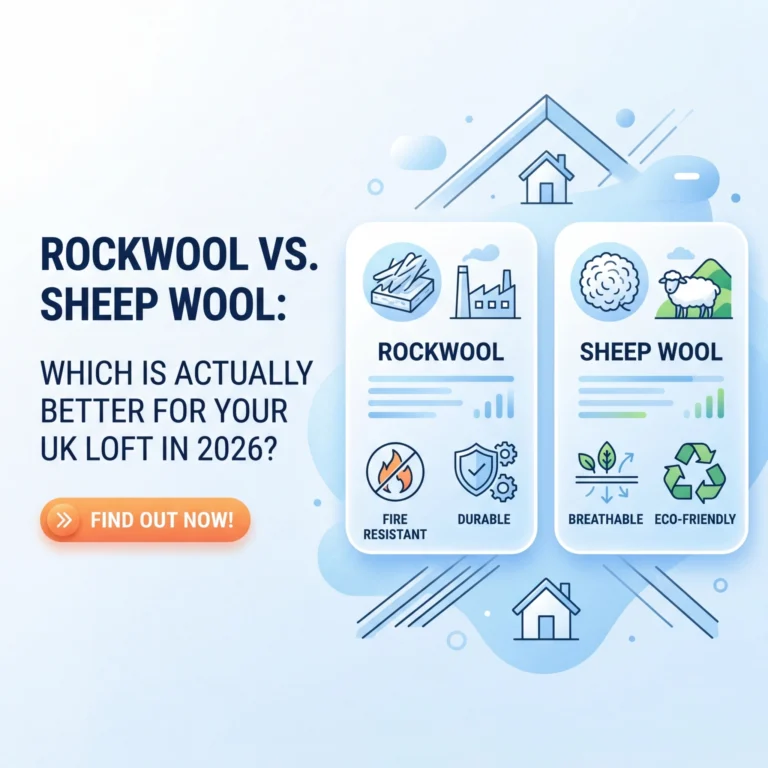
We recommend transitioning to traditional, high-performance options. Rockwool mineral wool top-ups are a fantastic choice. Mineral wool is breathable, fire-resistant, and provides excellent acoustic insulation. Crucially, it sits between the joists, leaving the rafters visible for future surveys.
Alternatively, for lofts where space is at a premium, multifoil loft insulation offers incredible thermal resistance in a thin profile. Both options are recognised by surveyors as "safe" and "standard." They help you achieve that coveted EPC "C" rating without the risks associated with spray foam.
Explore our multifoil loft insulation options to see how you can keep your home warm while keeping the bank happy.
Why Professional Installers Matter
Choosing the right team is essential for protecting your investment. You need a company that understands the current mortgage landscape. We stay updated on lender requirements to ensure our work meets their standards.
Using professional loft insulation installers gives you a paper trail. When it comes time to sell, you can provide documentation showing that the spray foam was professionally removed and replaced with an approved material. This certificate of work can be the difference between a "yes" and a "no" from a mortgage provider.
We focus on safety and long-term property health. Our goal is to make your home as efficient as possible while ensuring it remains a liquid asset you can sell whenever you choose.

Steps to Take If You Have Spray Foam
If you are worried about your insulation, do not panic. Take these logical steps to protect your property value:
- Check Your Paperwork: Find out exactly what type of foam was installed and when.
- Inspect for Damp: Look for signs of moisture or "musty" smells in the loft.
- Consult the Experts: Get a professional assessment to see if removal is necessary before you list your home.
- Plan the Upgrade: Choose a lender-approved material like mineral wool for the replacement.
Don't wait until you are in the middle of a house sale to find out your home is devalued. Proactive removal is always cheaper than a collapsed sale.

Reclaiming Your Home’s Value
Insulation should be an asset, not a liability. By removing outdated spray foam and installing modern, breathable alternatives, you are securing your financial future. You will enjoy lower energy bills today and a much easier sale tomorrow.
A clean, well-insulated loft is a hallmark of a well-maintained home. It shows buyers that you care about the details. It shows lenders that the property is a safe bet.
If you’re ready to clear the air: and the attic: we are here to help. Our team provides expert advice on the best path forward for your specific roof type.
Final Thoughts
The "£50,000 secret" doesn't have to be your story. While spray foam has caused significant issues for the UK property market, the solution is straightforward. Professional removal and replacement restore the structural integrity and marketability of your home. Focus on materials that provide warmth without hiding your home’s "bones."
Is your insulation working for you, or against you? It's time to find out.
Protect your investment and restore your peace of mind.
Book Your Free Consultation/Survey today to discuss your loft’s health. If you need a quick estimate for removal and replacement, Get A Quote now. For more information on our services, visit our loft insulation page.