Category: Regulations & Building Standards
The Future Homes Standard is coming. And if you're a UK homeowner, you've probably seen the headlines.
New regulations. Stricter energy requirements. Big changes ahead.
But here's the question everyone's asking: does your current loft insulation actually meet the new rules?
The answer might surprise you. Let's break it down.
What Is the Future Homes Standard?
The Future Homes Standard (FHS) is a set of building regulations coming into force in 2026. Its goal is simple. New homes must produce 75-80% fewer carbon emissions than homes built under current standards.
This means better insulation. Improved airtightness. Low-carbon heating systems. And mandatory mechanical ventilation.
It's part of the UK's push toward net zero by 2050.
Sounds dramatic. But here's what most people don't realise.
The Future Homes Standard primarily applies to new builds. Not existing homes.

Does the Future Homes Standard Apply to Your Home?
If you already own your home, breathe easy.
The 2026 regulations won't force you to rip out your current insulation overnight. There's no inspector knocking on doors demanding upgrades.
However, there are situations where the new standards will affect you:
- Major renovations : If you're extending your home or doing significant building work, Part L and Part F of the Building Regulations will apply.
- Loft conversions : Converting your loft into a habitable space triggers insulation requirements.
- New heating system installations : Replacing your boiler may require accompanying energy efficiency improvements.
- Selling your home : EPC ratings are becoming increasingly important. Poor insulation drags your rating down.
So while the FHS doesn't directly mandate changes to existing homes, its ripple effects are real.
Current UK Loft Insulation Requirements
Let's talk numbers.
The current UK building regulations recommend a minimum of 270mm of blanket insulation in your loft. This standard has been in place since 2003.
That's over two decades.
Yet here's the reality:
- 20% of UK homes have no loft insulation at all
- Many properties built before 2003 have just 100-200mm
- Older insulation often compresses, sags, or deteriorates over time
If your home falls into any of these categories, you're likely losing significant heat through your roof. And paying for it on every energy bill.
The Future Homes Standard doesn't change the 270mm recommendation. But it does emphasise fabric-first efficiency. That means walls, floors, and roofs all need to work together to retain heat.
Your loft is the starting point.

Why Loft Insulation Matters More Than Ever
Heat rises. It's basic physics.
Without proper loft insulation, up to 25% of your home's heat escapes through the roof. That's like leaving a window open all winter.
With energy prices where they are, that's money you can't afford to lose.
Here's why upgrading your loft insulation makes sense in 2026:
1. Lower Energy Bills
Proper insulation keeps heat where it belongs. Inside your home. You'll use less energy to stay warm. Your bills drop accordingly.
2. Improved EPC Rating
Planning to sell or remortgage? Your Energy Performance Certificate matters. Loft insulation is one of the fastest ways to boost your EPC rating.
3. Future-Proofing Your Property
Regulations are only getting stricter. Upgrading now means you won't be scrambling later when rules tighten further.
4. Increased Comfort
No more cold spots. No more draughts. Just consistent warmth throughout your home.
5. Reduced Carbon Footprint
Using less energy means producing fewer emissions. It's a small change with a measurable environmental impact.
Signs Your Loft Insulation Doesn't Meet Standards
Not sure where your insulation stands? Here are some red flags:
Insulation depth is under 270mm : Grab a ruler. If your insulation doesn't reach the 270mm mark, you're below current standards.
Visible gaps or compression : Insulation that's been squashed, moved, or has gaps isn't doing its job properly.
Your home was built before 2003 : Older properties often have inadequate or outdated insulation materials.
Uneven temperatures upstairs : If bedrooms feel colder than the rest of the house, heat is escaping through the roof.
High energy bills despite efficient heating : If your boiler is working overtime but rooms stay cold, poor insulation is likely the culprit.
Damp or condensation in the loft : This can indicate ventilation issues alongside inadequate insulation.
If any of these sound familiar, it's time for a professional assessment.

What About Spray Foam Insulation?
A quick word on spray foam.
Many homeowners installed spray foam insulation in recent years. It seemed like a good idea at the time.
Unfortunately, many mortgage lenders now reject properties with spray foam. Especially if it's been applied directly to the roof rafters.
If you're planning to sell or remortgage, this could be a serious problem.
The good news? Spray foam can be removed and replaced with mortgage-friendly alternatives. We've covered this in detail in our guide on why mortgage lenders reject spray foam.
Multifoil: A Smart Alternative for Modern Homes
If your loft has limited headroom, traditional blanket insulation isn't always practical.
That's where multifoil insulation comes in.
Multifoil is thin, lightweight, and highly reflective. It works by reflecting radiant heat back into your home rather than relying on thickness alone.
It's particularly useful for:
- Loft conversions where space is tight
- Properties with low rafters
- Homeowners who want a clean, modern finish
We've written a full breakdown of multifoil loft insulation if you want to explore this option.
How to Check If Your Insulation Meets the Standards
You've got two options.
Option 1: DIY inspection
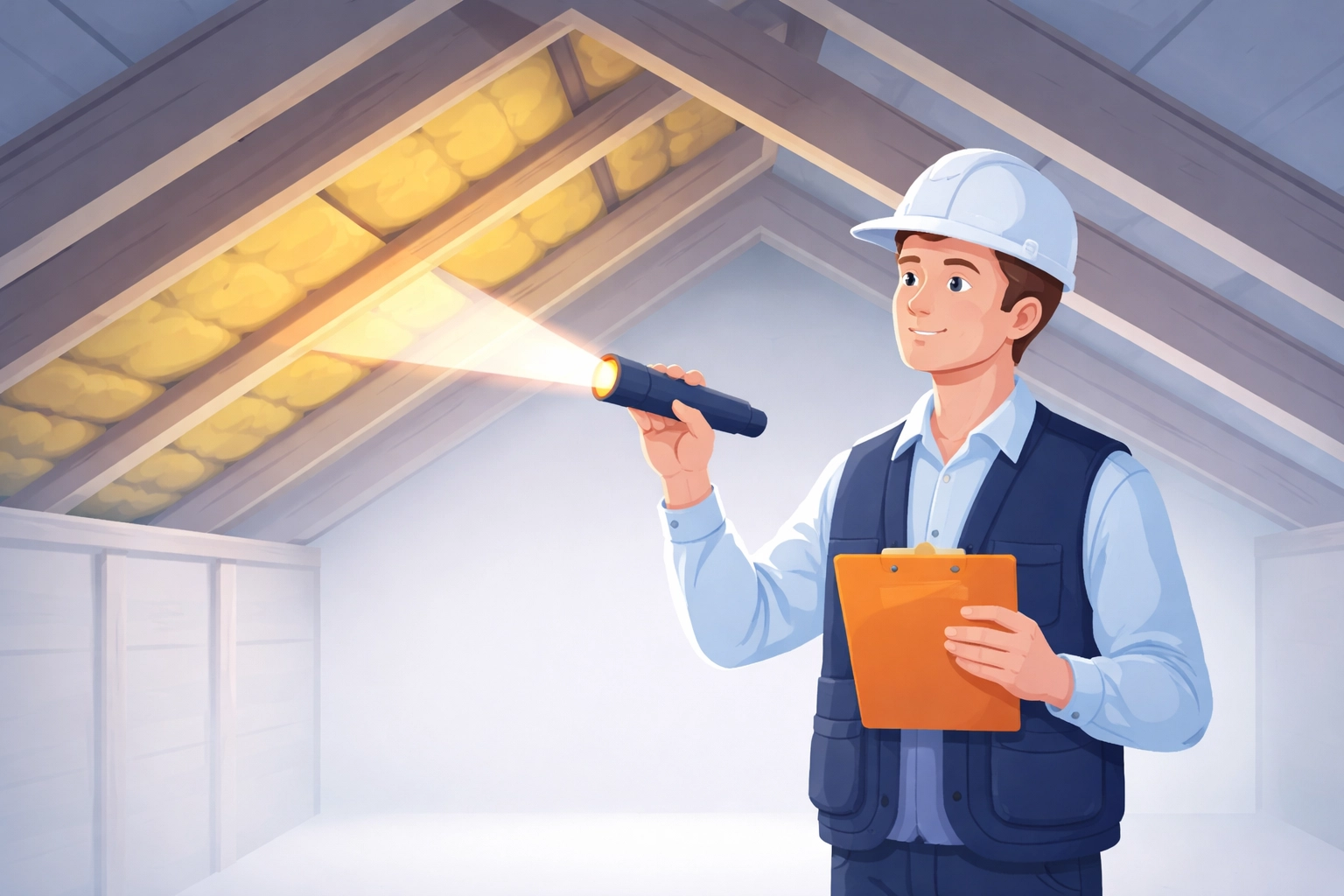
Head up to your loft with a torch and a ruler. Measure your insulation depth. Look for gaps, compression, or damage. Check for signs of damp or pest activity.
This gives you a rough idea of where you stand.
Option 2: Professional survey
A trained surveyor can assess your insulation properly. They'll check depth, condition, and material type. They'll identify ventilation issues. And they'll recommend the right solution for your property.
At ComfySeal, we offer free professional loft surveys. No obligation. No pressure. Just honest advice on whether your insulation meets current standards.
The ComfySeal Approach
We specialise in loft insulation that actually works.
Whether you need a simple top-up, a full replacement, or spray foam removal, we handle it all. Our team works with Rockwool, multifoil, and other mortgage-friendly materials.
Every installation comes with our 10-year workmanship guarantee. That's a decade of peace of mind.
We don't cut corners. We don't use subcontractors. And we always leave your loft cleaner than we found it.
Here's what you get with ComfySeal:
- Free, no-obligation loft survey
- Honest recommendations based on your property
- Professional installation by trained specialists
- 10-year workmanship guarantee
- Mortgage-friendly insulation solutions
- Clean, tidy work every time
Final Thoughts
The 2026 Future Homes Standard isn't a reason to panic. For most existing homeowners, it won't force immediate changes.
But it's a clear signal of where things are heading.
Energy efficiency matters more than ever. Proper loft insulation is the foundation of a warm, efficient home.
If your insulation is under 270mm, damaged, or decades old, now is the time to act. Not because the regulations demand it. Because your comfort and your wallet deserve better.
Ready to find out where your loft stands? Get your free survey and we'll take it from there.