Sneezing fits. Itchy eyes. That constant stuffy feeling. If you're one of the 44% of UK adults living with allergies, you know the drill.
But here's something most people don't realise. Your loft could be making things worse.
Gaps, cracks, and poor insulation let allergens flood into your home. Pollen drifts in. Dust accumulates. Moisture builds up and mould takes hold. It's a recipe for misery.
The good news? Proper loft insulation creates a barrier against all of it. Let's break down exactly how mineral wool insulation and smart sealing can help you breathe easier in 2026.
The Hidden Link Between Your Loft and Your Allergies
Your loft isn't just storage space. It's a gateway.
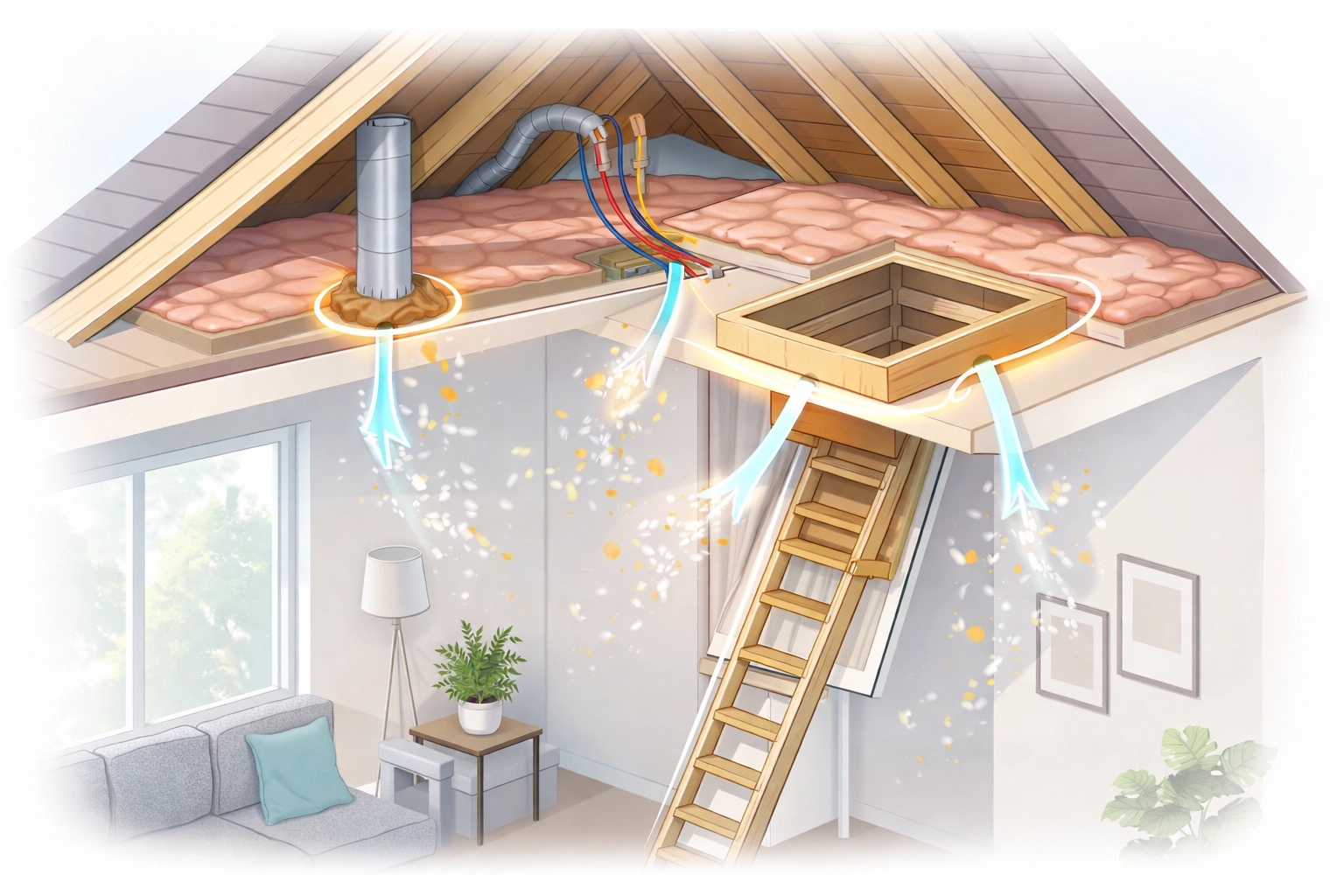
Without proper insulation, outdoor air flows freely through gaps around pipes, electrical outlets, and the loft hatch. That air carries pollen, dust, and pollution straight into your living spaces.
Common entry points for allergens include:
- Gaps around loft hatches and access panels
- Cracks where pipes and cables penetrate ceilings
- Poorly sealed eaves and soffits
- Gaps between joists and ceiling boards
Every one of these openings is an invitation for allergens. Sealing them up is the first step toward cleaner indoor air.
How Mineral Wool Insulation Improves Indoor Air Quality
Mineral wool insulation (also called rock wool or glass wool) is one of the most effective materials for allergy sufferers. Here's why it works so well.
1. Creates a Physical Barrier
Mineral wool fibres trap airborne particles before they reach your living spaces. Dust, pollen, and fine debris get caught in the dense material rather than circulating through your home.
2. Doesn't Release Harmful Particles
Modern mineral wool products are designed to stay put. Unlike some older insulation types, they don't break down and release fibres into your air over time.
3. Resists Mould Growth
This is huge for allergy sufferers. Mineral wool doesn't absorb moisture the way some materials do. It allows water vapour to pass through without getting trapped, which starves mould of the damp conditions it needs to thrive.
4. Deters Pests
Mice, rats, and insects love nesting in lofts. Their droppings are a major allergen trigger. Mineral wool is non-organic, so pests find it far less appealing than natural alternatives.
For a deeper comparison of insulation materials, check out our Rockwool vs Multifoil vs Spray Foam guide.
The Mould Problem (And How Insulation Solves It)
Mould spores are one of the most common indoor allergens. They trigger asthma attacks, cause respiratory issues, and make existing allergies worse.
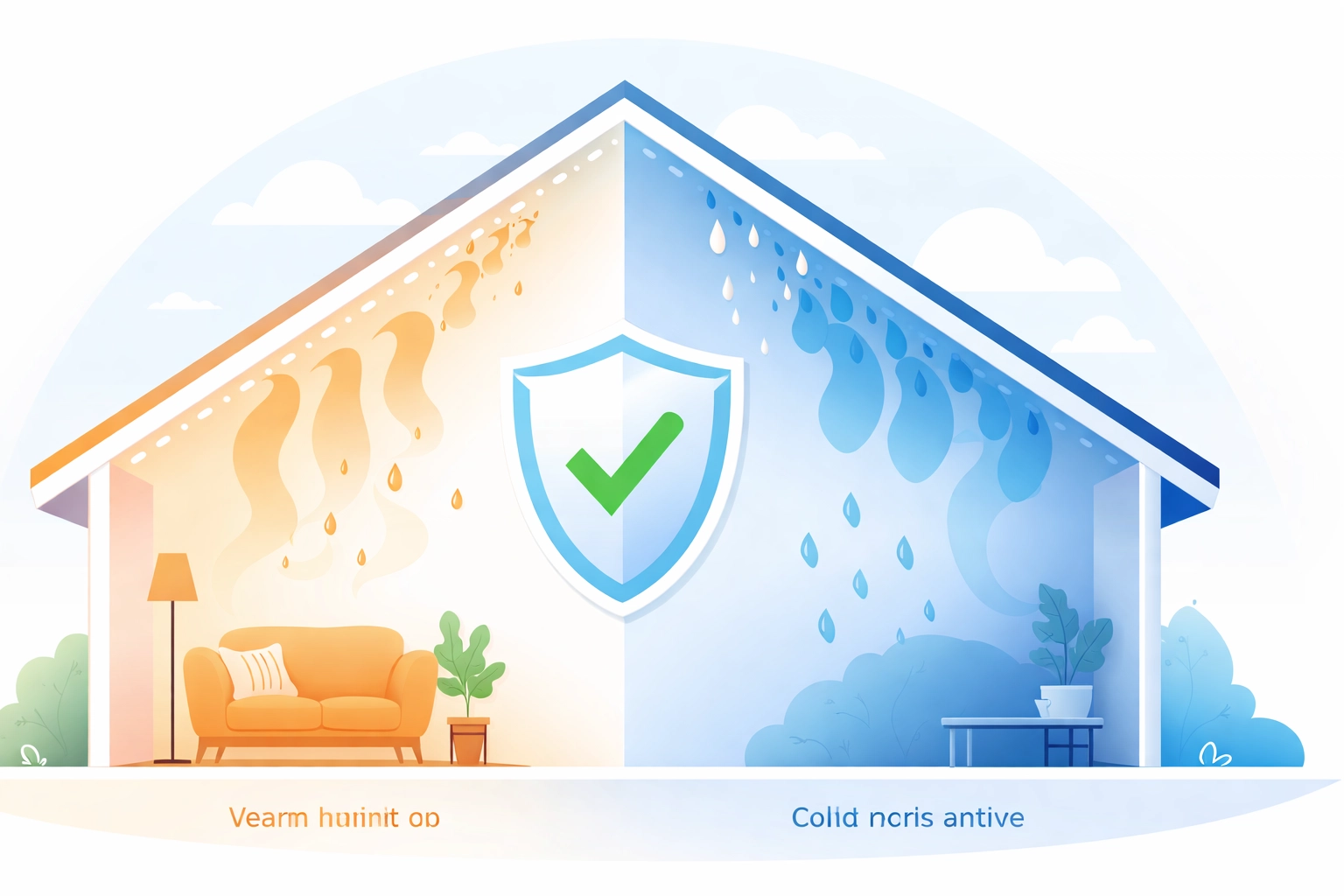
Here's how mould forms in your loft:
- Warm, humid air rises from your living spaces
- It meets the cold underside of your roof
- Condensation forms on cold surfaces
- Moisture accumulates
- Mould and mildew start growing
Proper loft insulation breaks this cycle.
By regulating temperatures and reducing air movement, insulation prevents warm air from hitting cold surfaces. No condensation means no moisture. No moisture means no mould.
It's that simple.
What About Ventilation?
Some people worry that sealing their loft will trap moisture inside. It's a fair concern, but there's a balance to strike.
Good loft insulation works alongside proper ventilation. You need:
- Adequate eaves ventilation to allow airflow
- Ridge vents or tile vents for warm air to escape
- Vapour control layers to manage moisture from below
When insulation and ventilation work together, you get the best of both worlds. Allergens stay out, moisture escapes, and your indoor air quality improves dramatically.
Not sure if your loft ventilation is up to scratch? Book a free survey and we'll take a look.
Real Benefits Allergy Sufferers Notice
Families who upgrade their loft insulation often report noticeable improvements within weeks. Here's what you might experience:
Fewer allergy flare-ups. With less pollen and dust circulating, your symptoms should ease up. Especially during high pollen seasons.
Better sleep. Cleaner air means less nighttime congestion. You'll wake up feeling more rested.
Reduced reliance on medication. Many people find they need antihistamines less often after improving their home's air quality.
Less dust accumulation. You'll notice less dust settling on surfaces. That means less cleaning and fewer dust mites triggering reactions.

Choosing the Right Insulation for Allergy Sufferers
Not all insulation materials are created equal when it comes to allergies. Here's a quick comparison:
| Material | Allergy-Friendly? | Notes |
|---|---|---|
| Mineral wool | ✅ Excellent | Resists mould, deters pests, non-toxic |
| Sheep's wool | ✅ Good | Natural, breathable, but may attract moths |
| Cellulose | ✅ Good | Recycled paper, treated to resist pests |
| Spray foam | ⚠️ Variable | Creates airtight seal but can trap moisture if installed incorrectly |
| Fibreglass | ✅ Good | Lightweight, durable, cost-effective |
For most allergy sufferers, mineral wool insulation hits the sweet spot. It's affordable, effective, and widely available. Plus, it meets all current Part L regulations when installed at the recommended 270mm depth.
The Importance of Professional Installation
Here's where things get important.
Even the best insulation won't help if it's installed badly. Gaps, compressions, and poor sealing all reduce effectiveness. They also leave pathways for allergens to sneak through.
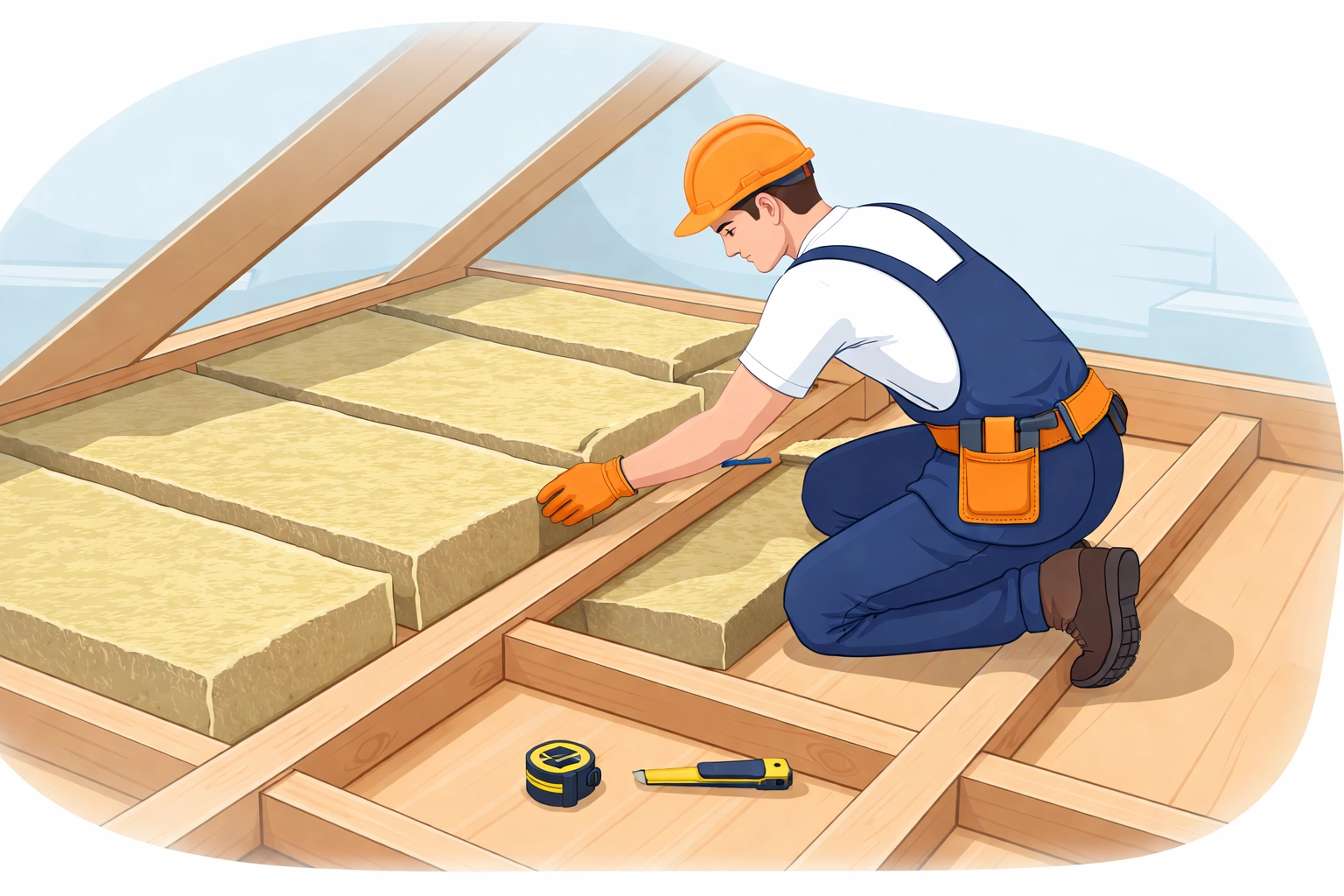
Professional installation ensures:
- Complete coverage with no gaps or cold spots
- Proper sealing around pipes, cables, and hatches
- Correct vapour control layer placement
- Adequate ventilation maintained
- Compliance with building regulations
DIY insulation might seem tempting, but the margins for error are slim. For allergy sufferers especially, getting it right matters.
Can You Get Help With Costs?
If budget is a concern, you might qualify for government support.
The ECO4 scheme and Great British Insulation Scheme (GBIS) both offer grants for loft insulation. Eligibility depends on your income, benefits status, and property type.
Even if you don't qualify for a full grant, partial funding might be available. It's worth checking before you write off the idea.
Read our full breakdown here: The Truth About GBIS and ECO4 Grants.
Quick Wins for Allergy Sufferers Right Now
While you're planning your insulation upgrade, here are some immediate steps you can take:
-
Seal your loft hatch. Add draught-proofing strips around the edges. It's cheap and makes a noticeable difference.
-
Check for obvious gaps. Look around pipes and cables entering your loft. Seal any visible gaps with expanding foam or mastic.
-
Inspect existing insulation. If it's old, compressed, or damp, it's not doing its job. Time for an upgrade.
-
Ensure proper ventilation. Make sure eaves vents aren't blocked by insulation or debris.
-
Consider an air purifier. While you're waiting for insulation work, a HEPA filter can help reduce indoor allergens.
Final Thoughts
Your home should be a refuge from allergies, not a trigger for them.
Proper loft insulation: especially mineral wool insulation: creates a cleaner, healthier indoor environment. It blocks allergens, prevents mould, and helps you breathe easier all year round.
The investment pays off in comfort, health, and energy savings. And in 2026, with grants still available, there's never been a better time to act.
Ready to see what's possible for your home? Book your free loft survey with ComfySeal Ltd and let's get you breathing easier.