Let's clear something up straight away.
Loft insulation installers aren't the problem. The headlines you've seen about dodgy work affecting thousands of UK homes? They're about solid wall insulation, not loft insulation.
But that doesn't mean you should let your guard down.
What Actually Happened: The Solid Wall Insulation Scandal
In 2024, a National Audit Office report exposed widespread quality failures in government-funded insulation schemes.
The damage? Almost 98% of homes that received external wall insulation under the ECO scheme were impacted. That's between 22,000 and 23,000 properties.
The Department for Energy Security and Net Zero found substandard work installed since 2022 under ECO4 and the Great British Insulation Scheme. 39 businesses were suspended from installing new insulation.
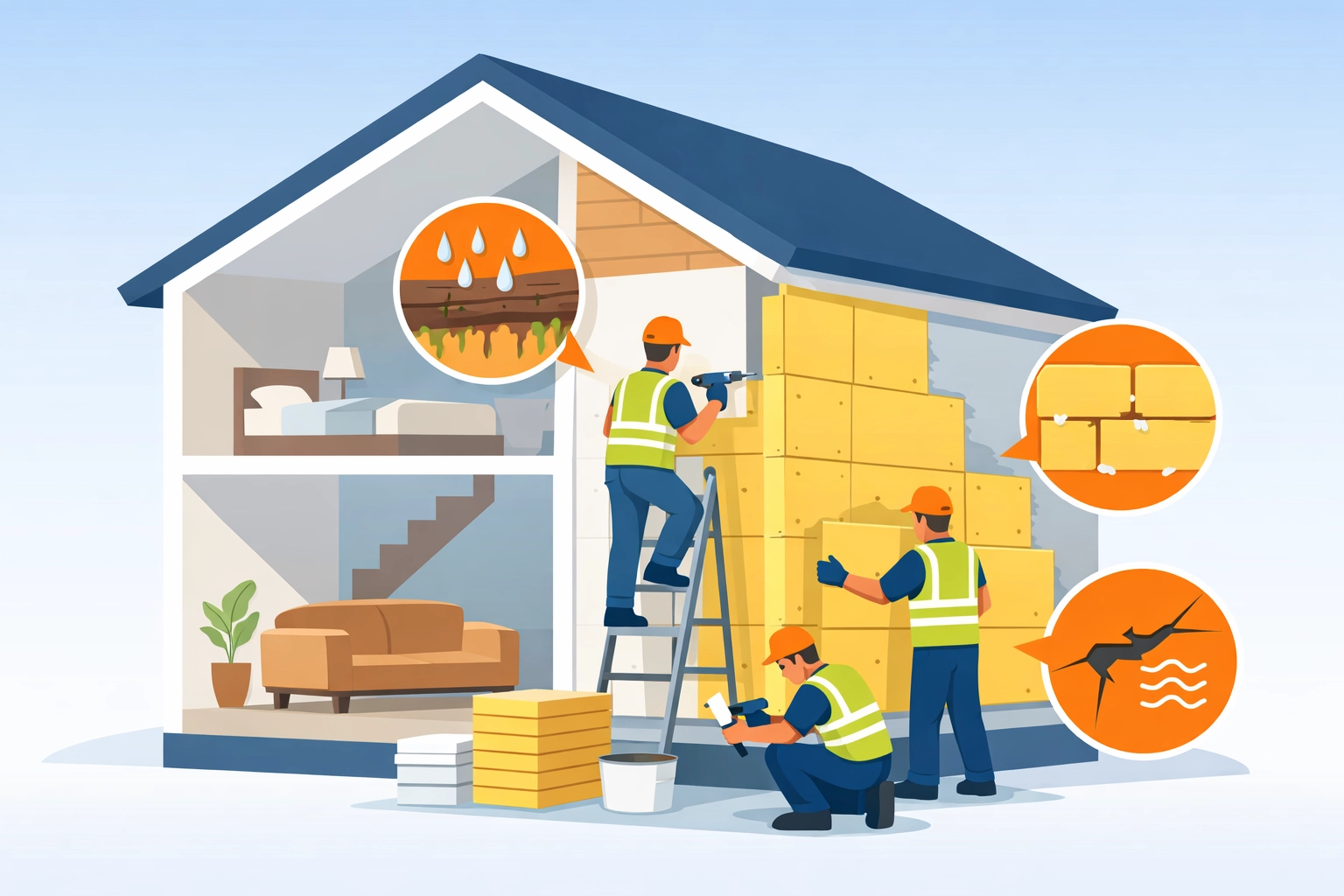
Problems included poor installation, failure to meet building regulations, and in some cases potential fraud. Energy companies' subcontractors were cutting corners or gaming the system.
The consequences were serious. Damp. Mould. In rare cases, fire risks.
But here's the critical point: this was about wall insulation, not loft insulation.
Why Loft Insulation Is Different (But Still Needs Vetting)
Loft insulation faces different challenges.
The main issue isn't rogue traders. It's technical performance. Research shows that compression of mineral fibre loft insulation significantly reduces effectiveness. In-use factors reduce performance by more than the 35% previously assumed by regulators.
Translation? Your insulation might be installed properly but still underperforming because of how it's laid.
Other common loft insulation problems include:
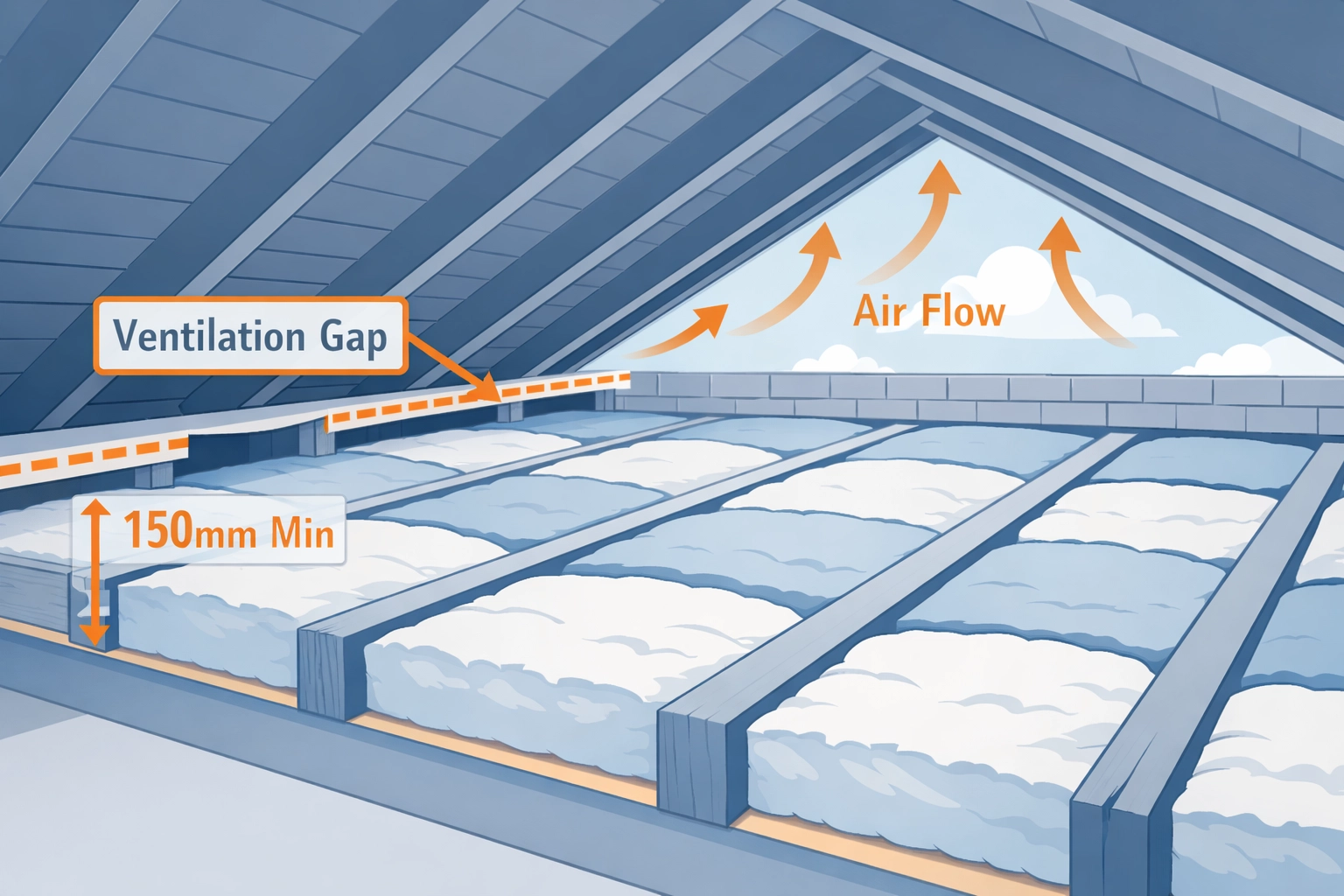
- Blocking ventilation at the eaves
- Covering electrical cables without proper assessment
- Insufficient depth to meet current Part L regulations
- Using the wrong material for your specific roof type
- Failing to address condensation risks
None of these involve fraud. But they can still cost you money and cause problems down the line.
That's why vetting your installer matters.
The 5 Non-Negotiable Checks Before Hiring Any Installer
1. Certification That Actually Means Something
TrustMark registration is the minimum standard. It's government-endorsed and means the business has been vetted.
Look for installers who are also registered with recognised certification bodies like Certass, NAPIT, or NICEIC.
Ask for proof. Don't just take their word for it.
2. DBS Checks for Everyone Entering Your Home
You're letting strangers into your home. Often when you're not there.
Professional installers conduct DBS checks on all their staff. They should show you these checks without you having to ask.
If they hesitate or say "we don't usually do that," walk away.
3. Insurance That Covers the Actual Work
Public liability insurance is standard. You need more than that.
Ask about:
- Professional indemnity insurance
- Cover for accidental damage to your property
- Protection if they damage existing structures
- What happens if something goes wrong after they've left
Get the policy details in writing.
4. Guarantees Worth More Than the Paper They're Written On
A guarantee is only as good as the company backing it.
Check:
- How long the guarantee lasts (minimum 25 years for materials)
- Whether it's insurance-backed (stays valid even if the company closes)
- What specific issues it covers
- The process for making a claim
- If there are any exclusions or small print
Too many homeowners discover their "lifetime guarantee" is worthless when they need it.
5. Transparent Pricing and Detailed Quotes
Professional installers provide detailed written quotes before starting work.
The quote should specify:
- Exact materials being used (brand, type, thickness)
- Labour costs broken down
- Any preparatory work required
- Timeline for completion
- Payment terms
- What happens if they discover unexpected issues
If the quote is vague or verbal only, that's a red flag.
Red Flags That Scream "Rogue Trader"
Watch for these warning signs:
Pressure tactics. "Special price if you sign today" or "I'm in the area so I can do it cheaper." Professional installers don't operate this way.
Cash-only payments. Legitimate businesses accept traceable payment methods. Cash-only often means they're avoiding tax or don't want a paper trail.
No fixed address. A mobile number and no office? That's not a business. It's someone who can disappear when problems arise.
Unrealistic promises. "Cut your heating bills by 80%" or "This will last forever with zero maintenance." No insulation installer can guarantee specific savings.
Asking for large deposits upfront. Some deposit is normal. But if they want 50% or more before starting, question why.

Poor online presence. In 2026, professional businesses have websites and reviews. If you can't find them online, there's usually a reason.
What Professional Loft Insulation Installation Actually Looks Like
Here's what you should expect from a proper installer:
Pre-installation survey. They'll inspect your loft before quoting. They'll check for condensation issues, electrical cables, existing insulation, ventilation, and structural concerns.
Written quotation. Detailed, specific, and valid for a reasonable period (usually 30 days minimum).
Clear communication. They'll explain what they're doing and why. They'll answer your questions without jargon or evasion.
Proper equipment. Professional-grade materials, safety equipment, and tools. Not DIY-store purchases.
Respect for your property. Dust sheets. Cleaning up. Treating your home like it matters.
Documentation. Installation certificate, guarantee documents, care instructions, and building regulation compliance if applicable.
Follow-up. A professional installer checks in after completion to ensure you're satisfied.
Why ComfySeal Does Things Differently
At ComfySeal, we've built our business on transparency.
Every team member is DBS checked. Every installation comes with an insurance-backed guarantee. Every quote is detailed and fixed-price.
We don't use pressure tactics or cold-calling. We don't ask for large deposits. We don't disappear when the job is done.
Our pre-installation surveys are thorough. We identify potential issues before they become expensive problems. We explain your options in plain English.
We're TrustMark registered and fully certified. Our insurance covers everything. Our guarantees are worth something.
Most importantly, we treat your home like it's ours. Because we know that's what professional loft insulation installers should do.
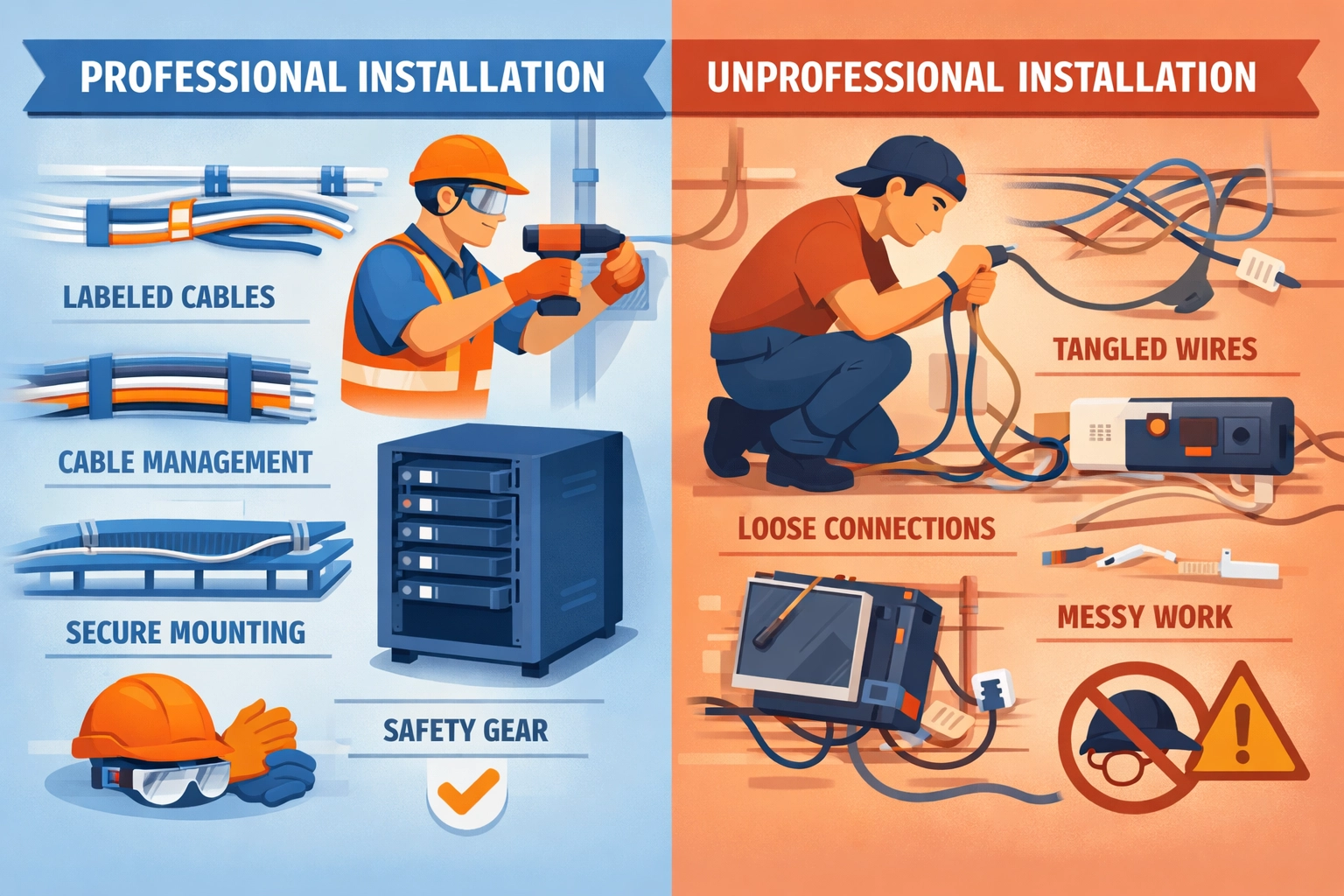
Want to see the difference for yourself? Book a free consultation and we'll show you exactly what professional installation looks like.
The Government Crackdown: What It Means for You
Following the solid wall insulation scandal, regulators are tightening standards across all insulation work.
Ofgem, TrustMark, and certification bodies are conducting more inspections. Poorly performing installers are being removed from approved schemes.
This is good news for homeowners. But it means you need to check credentials more carefully than ever.
Don't assume that because someone is "approved" for a government scheme, they're automatically competent. The scandal proved that assumption wrong.
Do your own due diligence. Check reviews. Ask questions. Demand documentation.
If You're Worried About Existing Work
Already had loft insulation installed and concerned about quality?
Look for these signs of problems:
- Condensation or damp patches in your loft
- Mould growth on timbers
- Electrical issues that started after installation
- Your energy bills haven't improved
- Visible compression or gaps in the insulation
- Blocked ventilation at the eaves
If you spot any of these, get a second opinion. A professional installer will provide an honest assessment even if they didn't do the original work.
At ComfySeal, we regularly inspect and remedy poor installations by others. We'll tell you what's wrong, what needs fixing, and what it will cost. No sales pressure. Just facts.
Final Thoughts
Loft insulation installers aren't inherently bad. The industry scandal involved wall insulation, not loft work.
But that doesn't mean you should skip due diligence.
Check certifications. Demand DBS checks. Get insurance-backed guarantees. Avoid pressure tactics. Choose installers who treat your home with respect.
The difference between a professional loft insulation installer and a cowboy isn't always obvious at first. But it becomes very clear when problems arise.
Choose wisely. Your home deserves better than shortcuts and empty promises.
Want professional loft insulation installation done right the first time? Get in touch with ComfySeal for a no-obligation quote. We'll show you what proper vetting and professional work actually look like.