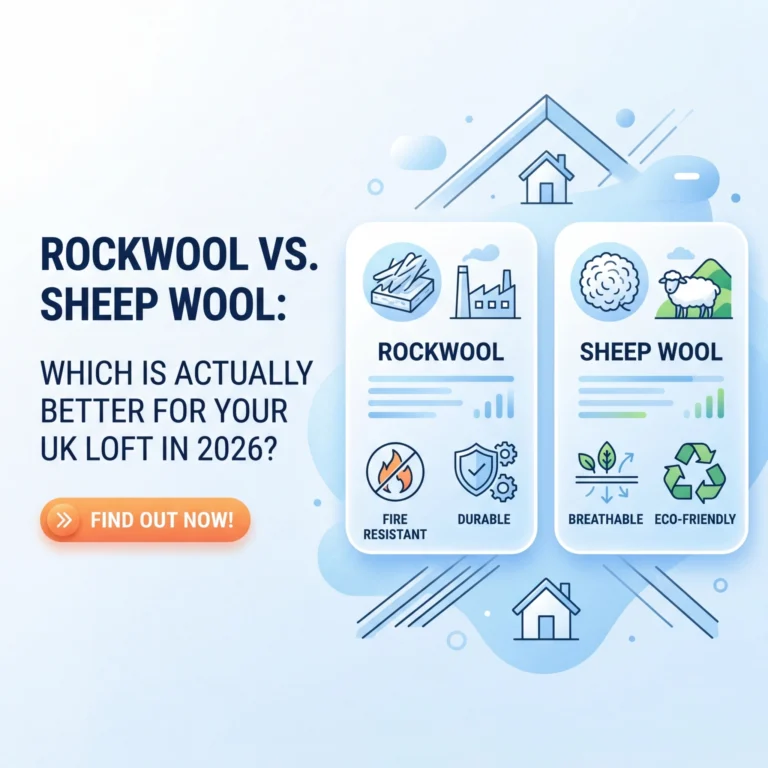
Choosing insulation shouldn't feel like gambling.
Yet here you are. Confused by conflicting advice online. Worried about making a costly mistake.
Rockwool and spray foam sit at opposite ends of the insulation spectrum. Both have passionate advocates. Both have genuine drawbacks.
This guide cuts through the noise. No sales pitch. Just facts you need to make the right call for your home in 2026.
What Is Rockwool Insulation?
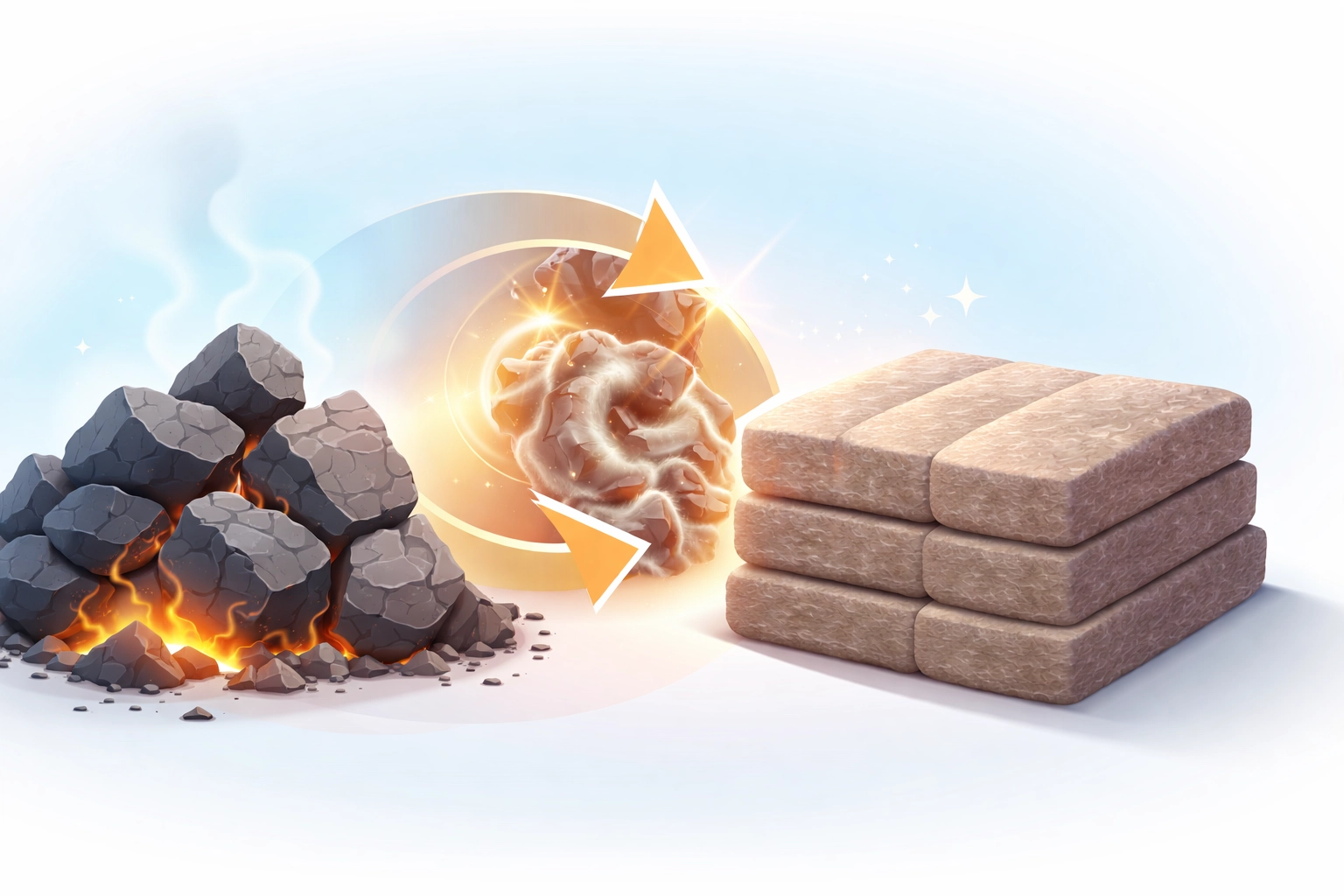
Rockwool is mineral wool made from volcanic rock. It's heated to over 1,500°C and spun into fibres.
Think candy floss. But fireproof.
The material comes in batts, rolls, or loose-fill form. You'll find it in lofts, walls, and floors across UK homes.
Key characteristics:
- Non-combustible – withstands temperatures over 1,000°C
- Excellent soundproofing – denser than fibreglass
- Hydrophobic – repels water naturally
- Long lifespan – 50+ years when installed correctly
Rockwool won't win any beauty contests. But it's reliable, proven, and mortgage-friendly.
What Is Spray Foam Insulation?
Spray foam is a chemical insulation. It's sprayed as a liquid and expands rapidly.
Two types exist. Open-cell is softer and cheaper. Closed-cell is denser and more expensive.
The foam bonds directly to surfaces. It fills gaps, cracks, and awkward spaces. This creates an airtight seal.
Key characteristics:
- Superior air sealing – blocks drafts completely
- High R-value – excellent thermal resistance per inch
- Structural rigidity – closed-cell adds strength
- Space-efficient – thinner layers achieve similar results
Sounds perfect, right? Not so fast. There's a significant catch.
Fire Safety: A Critical Difference
Let's address the elephant in the room.
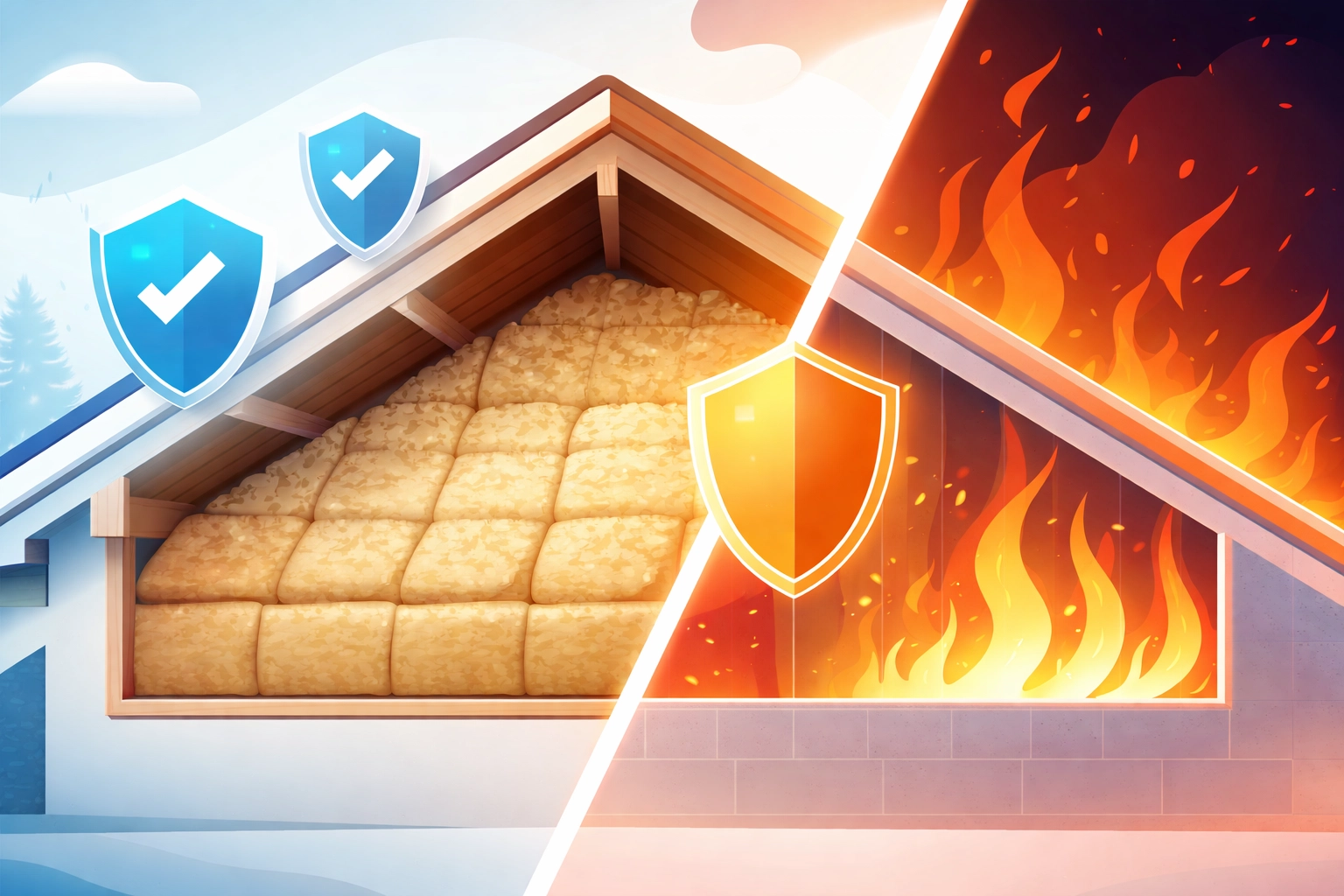
Rockwool doesn't burn. Full stop. It's rated A1 for fire resistance. That's the highest classification possible.
Firefighters actually use mineral wool to contain blazes. Your roof timbers are protected if fire breaks out.
Spray foam is combustible. It requires intumescent coatings or barriers for fire safety compliance.
When spray foam burns, it releases toxic gases. This creates serious risks during house fires.
Some spray foam products have improved fire ratings. But none match Rockwool's natural non-combustibility.
For loft conversions and habitable spaces, fire safety matters enormously. Your building inspector will scrutinise this closely.
Mortgage Compliance: The 2026 Reality
Here's where things get serious.
Many UK mortgage lenders now reject properties with spray foam insulation. This isn't scaremongering. It's documented fact.
Why the rejection? Several reasons:
- Roof inspection concerns – foam hides timber condition
- Removal costs – extraction is expensive and disruptive
- Resale uncertainty – future buyers face the same lending issues
- Surveyor recommendations – RICS guidance has shifted significantly
We've written extensively about why mortgage lenders reject spray foam and what removal involves.
Rockwool causes zero mortgage problems. Lenders don't blink at mineral wool. Surveyors approve it without hesitation.
Planning to sell your home eventually? This matters. Planning to remortgage? This matters even more.
The cheapest insulation becomes expensive when it blocks your property sale.
Thermal Performance Compared
Both materials insulate well. But they work differently.
Rockwool Thermal Properties
Rockwool delivers R-values between 3.0 and 4.2 per inch. That's 22-37% higher than standard fibreglass.
It performs consistently across temperature ranges. Cold winters and warm summers don't affect its efficiency.
Moisture doesn't degrade its performance either. The fibres remain effective even in damp conditions.
Spray Foam Thermal Properties
Closed-cell spray foam achieves R-values around 6.0-7.0 per inch. That's genuinely impressive.
Open-cell foam sits lower at 3.5-4.0 per inch. Comparable to Rockwool.
The air-sealing properties add value beyond raw R-values. Fewer drafts mean less heat loss overall.
The verdict? Spray foam wins on pure thermal numbers. But insulation performance means nothing if you can't sell your house.

Installation Considerations
How each material goes in affects your decision.
Installing Rockwool
Rockwool installation is straightforward. Trained installers complete most lofts in a single day.
The batts cut easily. They friction-fit between joists and rafters. No specialist equipment required.
DIY is possible but not recommended. Professional installation ensures correct depth and coverage.
One downside: the fibres irritate skin and lungs. Proper PPE is essential during installation.
Installing Spray Foam
Spray foam requires certified professionals. The chemicals demand precise mixing and application.
Temperature and humidity affect the curing process. Get it wrong, and problems emerge later.
Removal is extremely difficult. The foam bonds permanently to timber. Extraction often damages roof structures.
This permanence works both ways. Great for air sealing. Terrible if something goes wrong.
Cost Breakdown for 2026
Let's talk money.
Rockwool Costs
Expect to pay £20-£35 per square metre installed. A typical loft costs £500-£1,200 total.
The material itself runs £4-£8 per square metre. Labour adds the rest.
Rockwool represents excellent value. It lasts decades with zero maintenance.
Spray Foam Costs
Professional spray foam installation costs £40-£60 per square metre. Sometimes more.
A standard loft runs £1,500-£3,500. Complex spaces push higher.
Removal costs if needed later? Budget £3,000-£8,000. That's on top of replacement insulation.
The initial saving from choosing cheaper spray foam vanishes quickly if problems arise.

Which Should You Choose?
Your circumstances dictate the answer.
Choose Rockwool If:
- You might sell or remortgage within 10-15 years
- Fire safety ranks high in your priorities
- Budget matters and you want proven value
- Your loft space suits standard batt installation
- You prefer reversible home improvements
Consider Spray Foam If:
- You're never selling the property
- Unusual spaces make traditional insulation impractical
- Maximum thermal performance outweighs all other factors
- You accept the mortgage and resale implications
For most UK homeowners, Rockwool makes more sense in 2026. The mortgage lending landscape has shifted too dramatically.
What About Alternatives?
Don't limit yourself to just these two options.
Multifoil insulation works brilliantly in low-space lofts. It reflects heat rather than trapping it.
PIR boards offer high R-values without spray foam's drawbacks. They're rigid, easy to handle, and mortgage-safe.
Glass wool remains a budget-friendly option. It performs slightly below Rockwool but costs less.
Not sure which suits your home? Book a free consultation and we'll assess your specific situation.
Final Thoughts
The rockwool vs spray foam debate has a clear winner for most homeowners.
Rockwool offers fire safety, mortgage compliance, and proven long-term value. Spray foam delivers excellent thermal performance but creates significant complications.
Your home is likely your biggest asset. Protecting its value matters as much as keeping it warm.
Want expert advice tailored to your property? Get a free quote from ComfySeal. We'll help you choose insulation that works now and for decades ahead.