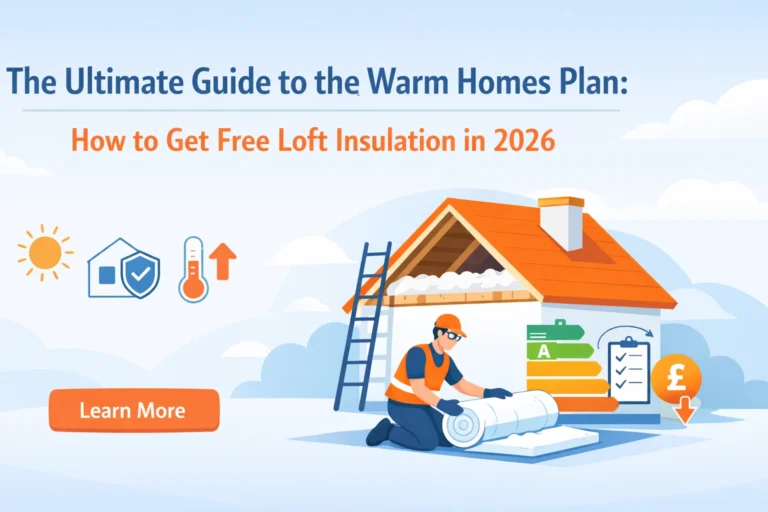
Spray foam insulation sounds great on paper. It promises warmth, efficiency, and lower bills. But for one Manchester homeowner, it became a serious problem.
This is their story. And it might sound familiar.
The Property: A Classic Manchester Mid-Terrace
The home sits in a quiet street in South Manchester. A typical Victorian mid-terrace. Red brick. Bay windows. Original character.
The previous owner had spray foam installed in the loft. They wanted better insulation. They got the opposite of peace of mind.
The current owner discovered the issue when trying to remortgage. The lender refused. Spray foam was the reason.

The Problem With Spray Foam
Spray foam expands and hardens. It sticks to everything. Rafters. Tiles. Felt.
This creates several issues:
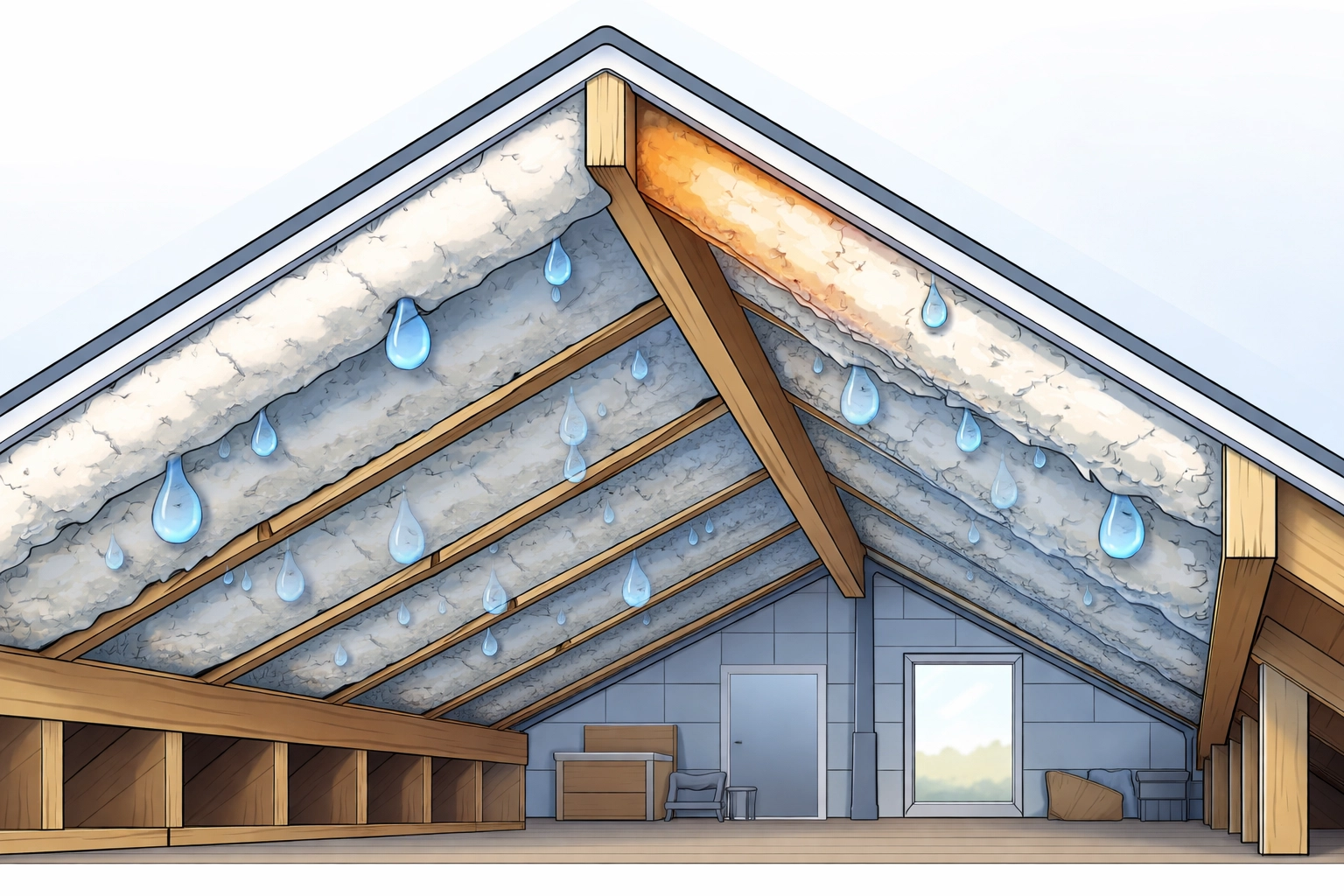
- Trapped moisture – condensation can't escape
- Hidden rot – you can't see timber damage underneath
- Surveyor concerns – lenders see it as a red flag
- Difficult removal – it bonds permanently to surfaces
In this Manchester terrace, the spray foam covered the entire roof space. It was applied directly to the underside of the tiles.
The homeowner couldn't sell. They couldn't remortgage. They felt stuck.
The Initial Assessment
We visited the property for a full loft survey. The findings were typical of poor spray foam installations.
Here's what we discovered:
- No ventilation – the spray foam sealed all natural airflow
- Moisture build-up – damp patches were forming on the foam surface
- Early signs of timber stress – some rafters showed moisture damage
- Inaccessible roof structure – impossible to inspect tiles or felt
The good news? The damage wasn't severe. We caught it early enough.
The homeowner needed a complete spray foam removal. Then proper insulation could be installed.
Why Mineral Wool Was the Right Choice
After removal, we recommended mineral wool insulation. Here's why it works perfectly for Victorian terraces.
1. Breathable Material
Mineral wool allows moisture to pass through. Your roof space stays ventilated. No trapped damp. No hidden rot.
2. Non-Invasive Installation
It sits between joists or rafters. No bonding. No sticking. Future inspections remain easy.
3. Excellent Thermal Performance
Mineral wool delivers outstanding U-values. Your home stays warm in winter. Cool in summer.
4. Fire Resistant
It doesn't burn. It doesn't release toxic fumes. Peace of mind for your family.
5. Mortgage-Friendly
Lenders have no issues with mineral wool. Your property remains sellable. Remortgaging becomes straightforward again.
For this Manchester terrace, mineral wool ticked every box.
The Removal Process
Spray foam removal isn't a DIY job. It requires specialist tools and careful technique.
Our team followed a strict process:
- Full protective setup – dust sheets, PPE, and containment barriers
- Manual foam removal – cut away section by section
- Timber inspection – check every rafter for damage
- Surface cleaning – remove residue without harming wood
- Ventilation restoration – ensure proper airflow returns
The entire removal took two days. The loft space was completely cleared.
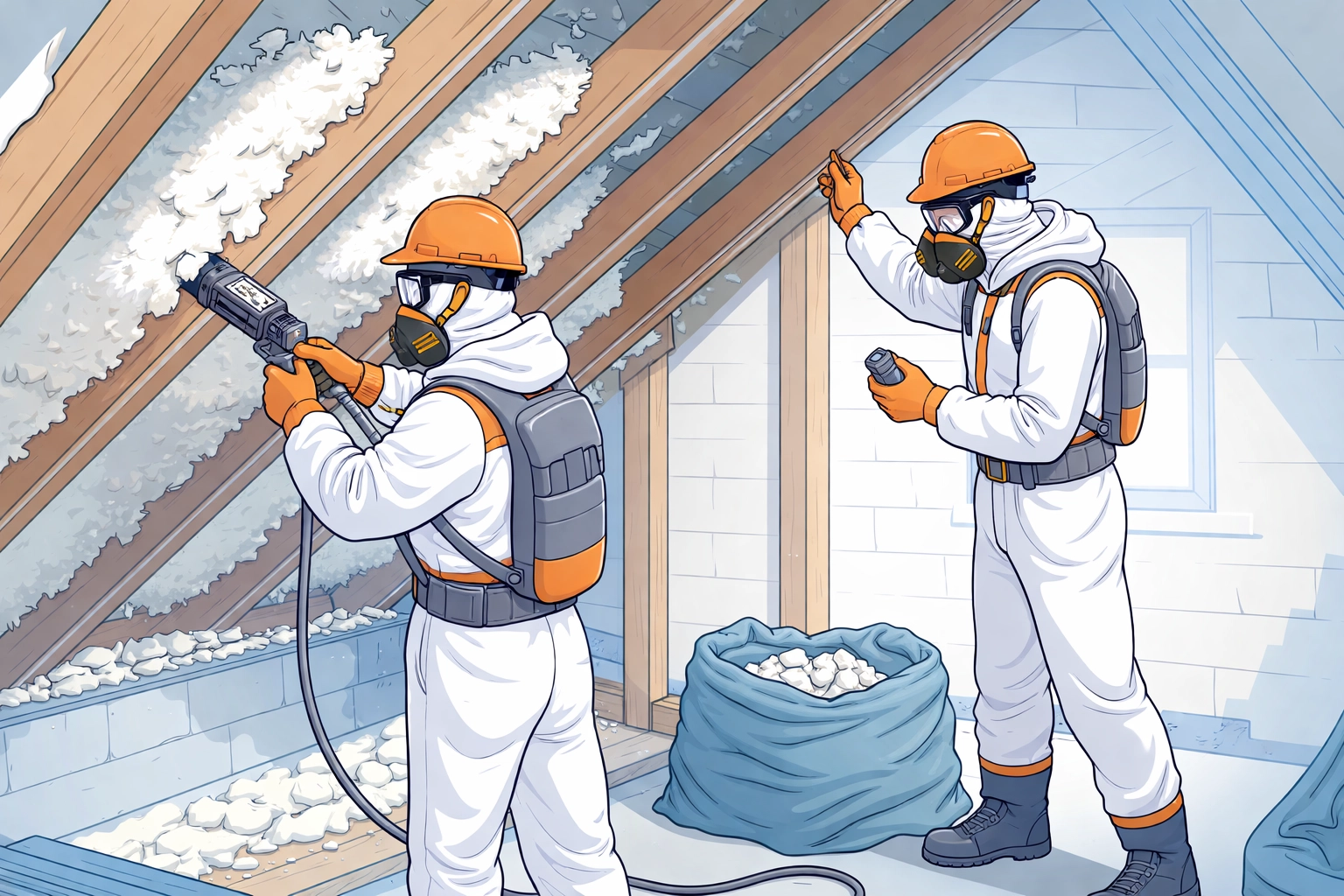
No damage to the roof tiles. No damage to the structure. Just clean, bare rafters ready for proper insulation.
Installing the Mineral Wool
With the spray foam gone, installation could begin.
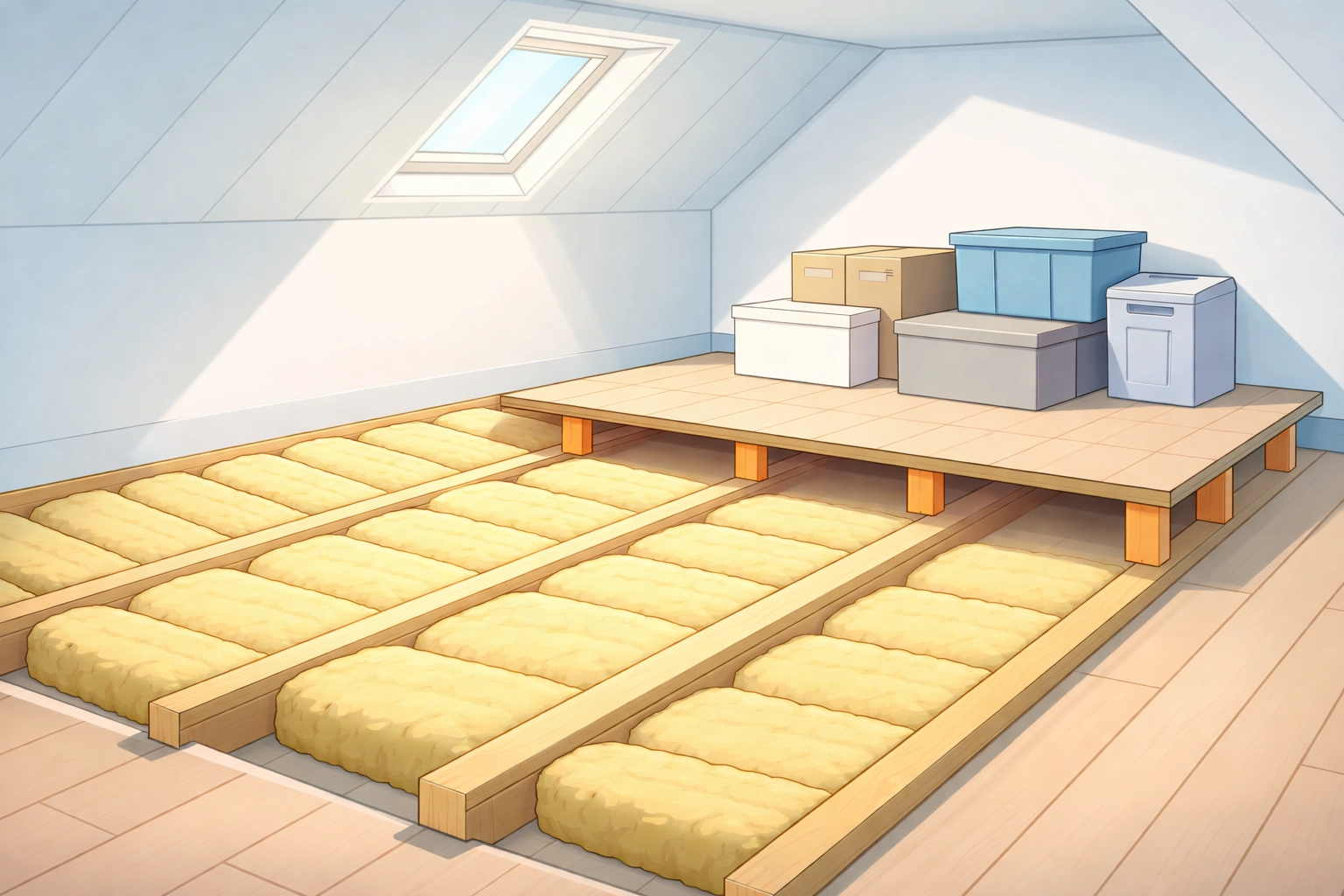
We fitted 270mm of mineral wool between and over the joists. This meets current Building Regulations for loft insulation.
Key steps included:
- Laying the first layer between joists (100mm)
- Adding a second layer across joists (170mm)
- Ensuring no gaps or compression
- Installing loft boarding on raised legs for storage access
The homeowner wanted to use the loft for light storage. Raised boarding solved that problem without compressing the insulation.
The entire installation took one day.
The Results
The transformation was immediate. Both in comfort and confidence.
Thermal Improvement
The homeowner noticed the difference within days. Upstairs bedrooms felt warmer. The heating ran less often.
Estimated energy savings: 15-20% on heating bills.
Mortgage Approval
Three weeks after completion, the remortgage application succeeded. The lender accepted the property without concerns.
The surveyor noted the professional removal and compliant insulation.
Future-Proofed Property
The roof structure is now fully accessible. Future buyers won't inherit hidden problems. Future surveyors won't raise red flags.
Homeowner Feedback
The owner described the experience as "a weight lifted." They'd spent months worrying about the spray foam.
Now they have a warm home. A mortgageable property. And full peace of mind.
Could This Be Your Situation?
Spray foam problems are more common than you'd think. Especially in older properties across Manchester, Leeds, and Sheffield.
Warning signs to look for:
- Spray foam visible in your loft
- Moisture or damp patches on foam surfaces
- Musty smells in upstairs rooms
- Mortgage or sale complications
- Surveyor concerns on reports
If any of these sound familiar, act now. Early removal prevents costly damage.
What Makes a Good Remediation?
Not all spray foam removal is equal. Some companies cut corners. They leave residue. They skip inspections.
Here's what proper remediation looks like:
- Full removal – no foam left behind
- Timber assessment – checking for hidden rot
- Ventilation check – ensuring airflow returns
- Compliant insulation – meeting Building Regulations
- Documentation – written confirmation for lenders
At ComfySeal, we provide all of this. Every job comes with full documentation for your records.
Want to learn more about why lenders reject spray foam? Read our detailed guide here.
How to Get Started
Think your property might have spray foam issues? The first step is simple.
Book a free loft survey. We'll assess your situation and give honest advice.
No pressure. No obligation. Just clear information so you can decide.
Book your free consultation here.
If you'd prefer a quick estimate first, request a quote online.
Final Thoughts
This Manchester terrace went from mortgage rejection to full approval. From hidden problems to complete peace of mind.
Spray foam doesn't have to be permanent. Professional removal is possible. Proper insulation restores your home's value and comfort.
Mineral wool proved the perfect replacement here. Breathable. Effective. Mortgage-friendly.
If you're facing similar issues, don't wait. The longer spray foam stays, the greater the risk to your roof structure.
Your home deserves insulation that works. Not insulation that traps problems.