
Scotland’s climate doesn’t forgive poor insulation.
From Edinburgh’s coastal chill to Dundee’s exposed riverside winds, your home faces unique challenges. Understanding local insulation standards helps you stay warm and compliant.
This guide covers everything you need to know. We’re talking regulations, regional factors, and practical solutions.
Why Scotland Has Unique Insulation Needs
Scottish winters are harsh. Temperatures regularly drop below freezing for extended periods.
Your home loses heat faster in these conditions. Without proper insulation, energy bills skyrocket.
Central Scotland experiences particularly variable weather. The belt from Greenock through Perth to Dundee sees heavy rainfall. Edinburgh adds coastal wind exposure to the mix.
These factors demand higher insulation performance. Scottish Building Standards reflect this reality.
Current Scottish Building Standards for Insulation
Scotland operates under its own building regulations. They’re separate from England and Wales.
Section 6: Energy of the Scottish Building Standards sets the requirements. It’s been updated multiple times to improve efficiency.
Here’s what you need to know:
Minimum U-Value Requirements
U-values measure how quickly heat escapes. Lower numbers mean better insulation.
- Roof/Loft: 0.11 W/m²K for new builds
- Walls: 0.17 W/m²K for new builds
- Floors: 0.15 W/m²K for new builds
- Windows: 1.2 W/m²K for new builds
Renovation projects have slightly relaxed targets. But the direction is clear. Scotland wants better-insulated homes.
EPC Ratings in Scotland
Energy Performance Certificates matter here. They affect property values and rental eligibility.
From 2025, Scottish rental properties need at least an EPC rating of C. That’s a significant jump for many older homes.
Poor insulation is the main barrier. Upgrading your loft or walls often provides the biggest EPC improvement.
Edinburgh to Dundee: Regional Considerations
The central belt has distinct characteristics. Your location affects your insulation choices.
Edinburgh and the Lothians
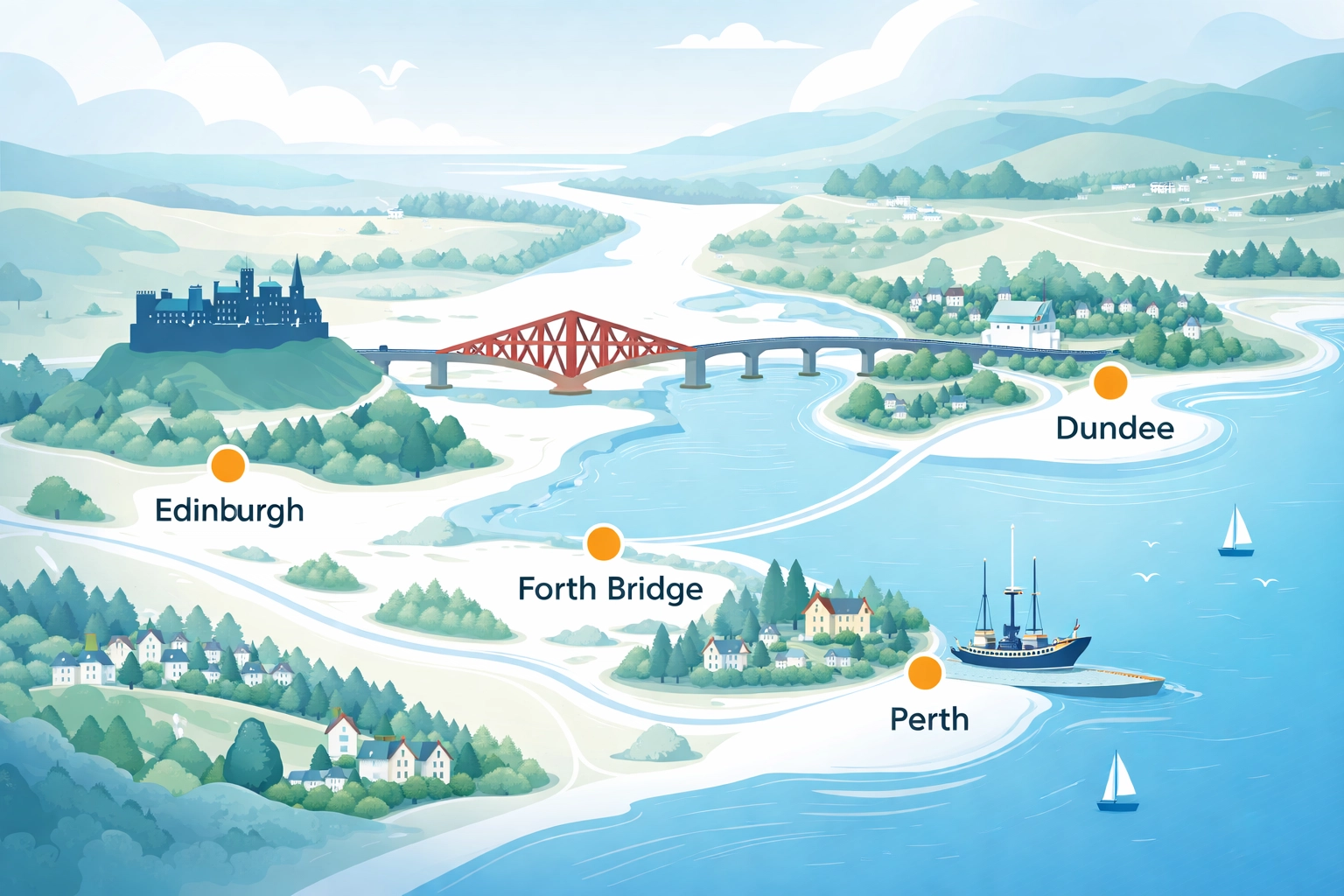
Edinburgh sits on the Firth of Forth. Coastal winds drive heat loss through exposed walls.
Many properties here are traditional stone tenements. They require careful insulation approaches.
Internal wall insulation often works best. External options may face planning restrictions in conservation areas.
Fife and the East Coast
Crossing the Forth, Fife presents different challenges. Older fishing villages have solid stone walls.
Dampness is a common issue. Any insulation solution must address moisture management first.
Breathable insulation materials work well here. They allow walls to dry naturally while reducing heat loss.
Perth and Central Scotland
Perth sits inland but remains exposed. The surrounding terrain funnels cold air into the region.
Properties here often have larger loft spaces. That’s good news for insulation upgrades.
Loft insulation delivers excellent returns in this area. The investment typically pays back within three years.
Dundee and Tayside
Dundee faces the North Sea’s influence. Wind chill makes effective insulation essential.
The city has many post-war properties. These often have cavity walls suitable for blown insulation.
Cavity wall insulation takes just hours to install. It’s one of the quickest wins available.
Meeting Modern U-Value Requirements
Older Scottish homes weren’t built to current standards. Upgrading them requires strategic thinking.
Loft Insulation Upgrades
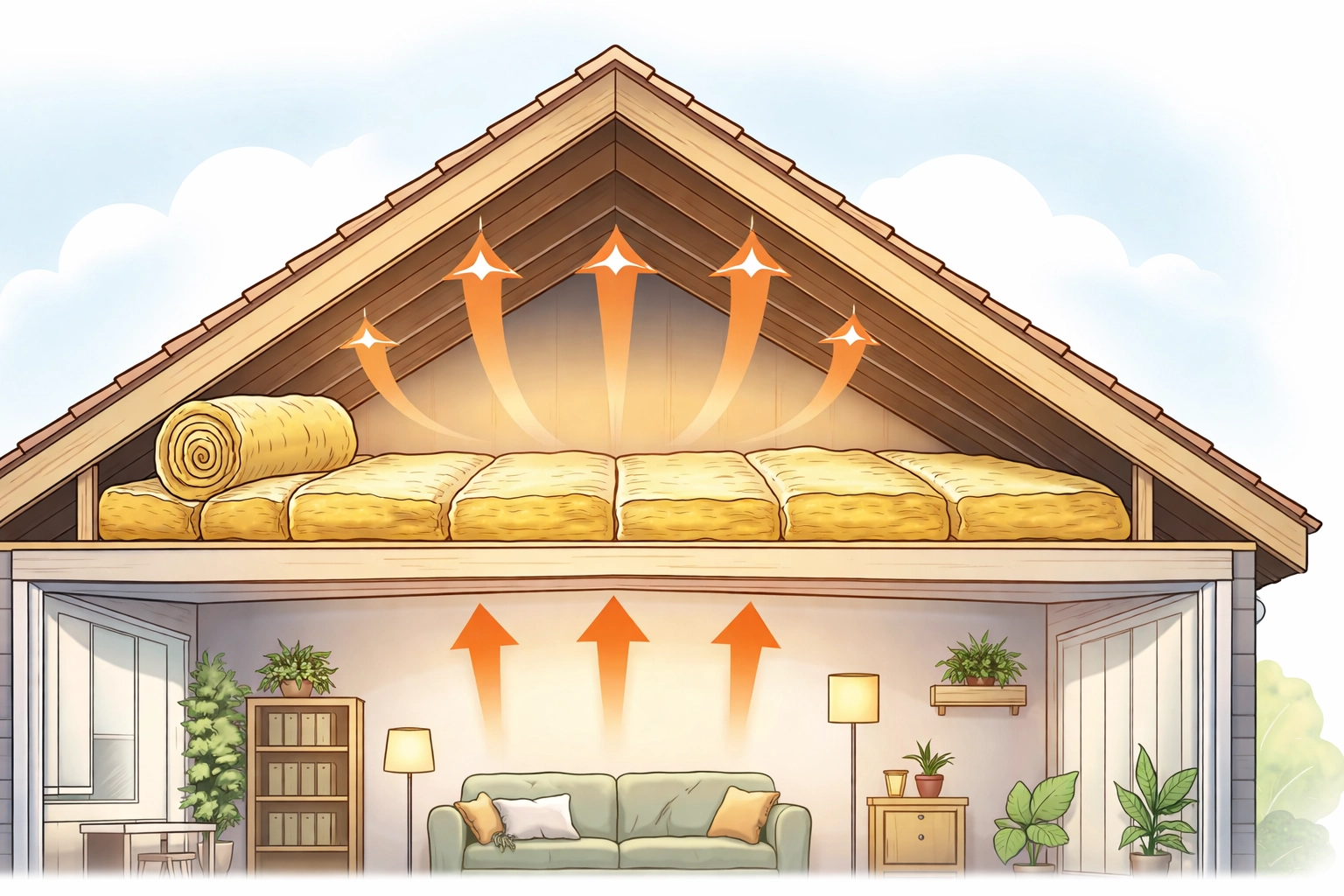
Your loft is usually the easiest starting point. Heat rises, so poor loft insulation wastes energy fast.
Current recommendations suggest 270mm of mineral wool. Many older homes have just 100mm or less.
Topping up existing insulation is straightforward. It’s cost-effective and minimally disruptive.
For homes with limited headroom, multifoil insulation offers a smart alternative. It achieves good performance in tight spaces.
Wall Insulation Options
Walls account for around 35% of heat loss in uninsulated homes. They deserve serious attention.
Cavity walls can be filled with blown insulation. It’s quick, effective, and relatively affordable.
Solid walls need internal or external insulation. Both options add complexity but deliver significant savings.
Choose based on your property type and budget. Professional assessment helps identify the best approach.
Floor Insulation
Ground floors often get overlooked. They contribute to cold feet and draughts.
Suspended timber floors benefit from insulation between joists. Access from below makes installation easier.
Solid concrete floors can receive insulation above. This reduces room height slightly but improves comfort dramatically.
Popular Insulation Solutions for Scottish Homes
Different materials suit different situations. Here’s what works well across central Scotland.
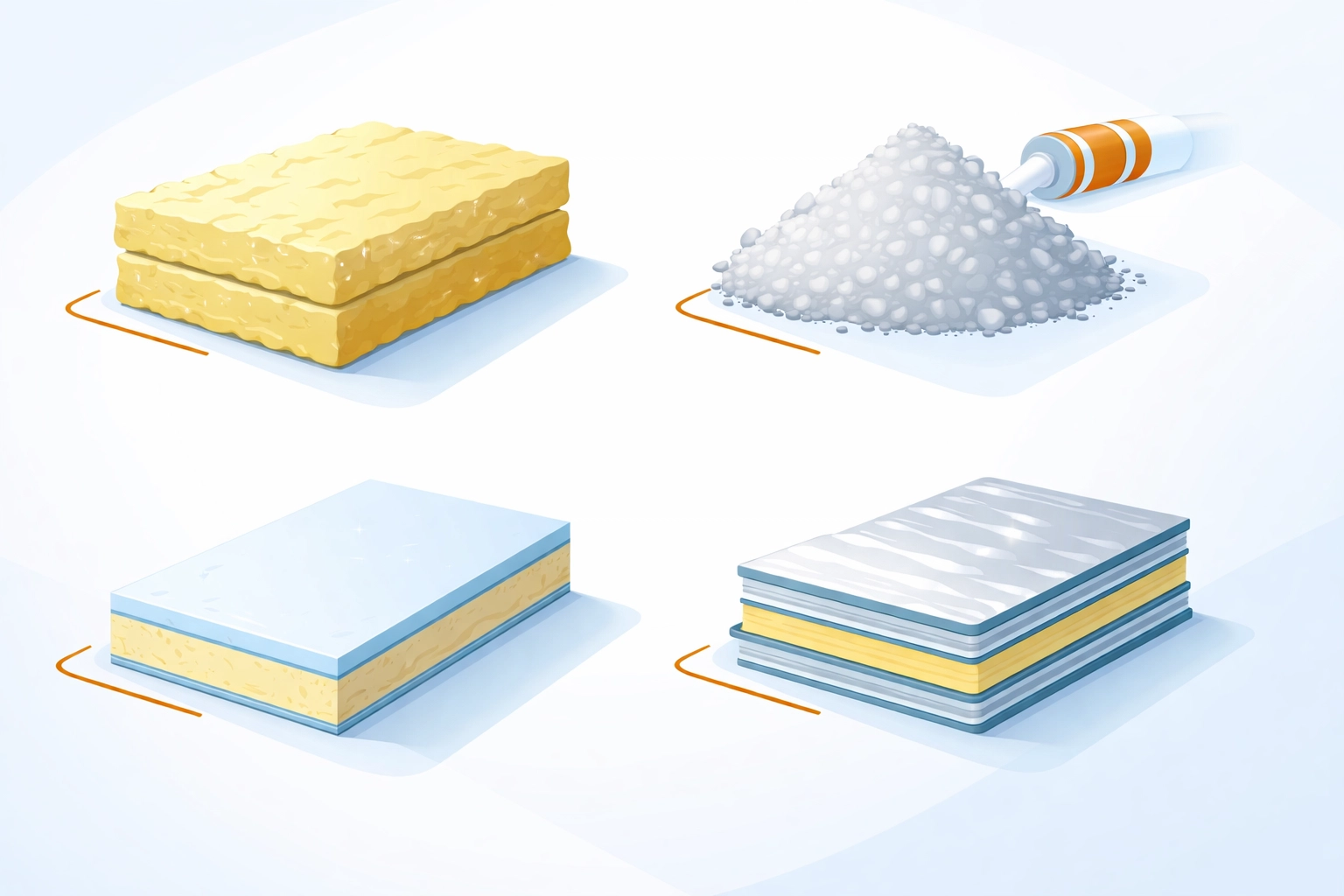
1. Mineral Wool
Affordable and widely available. It’s the standard choice for loft insulation.
Comes in rolls or batts. Easy for professionals to install between joists.
2. Blown Fibre
Perfect for cavity walls. Installation happens through small drilled holes.
Also works well for hard-to-reach loft areas. Fills gaps that batts might miss.
3. Rigid Foam Boards
High performance in thin profiles. Ideal where space is limited.
Works for walls, floors, and flat roofs. Provides excellent U-values.
4. Multifoil Insulation
Lightweight and reflective. Combines multiple layers for efficiency.
Great for loft conversions or room-in-roof situations. Maximises usable space.
Grants and Schemes Available in Scotland
Scotland offers several support programmes. They make insulation upgrades more accessible.
Home Energy Scotland
This government-backed service provides free, impartial advice. They assess your situation without sales pressure.
Interest-free loans are available for qualifying improvements. Insulation upgrades often qualify.
Warmer Homes Scotland
This scheme targets fuel-poor households. It provides fully funded insulation for eligible applicants.
Income-based criteria apply. Contact Home Energy Scotland to check your eligibility.
ECO4 Funding
The Energy Company Obligation funds improvements nationwide. Scottish households can access this support.
Your energy supplier may offer funded or subsidised insulation. It’s worth checking what’s available.
Getting Your Scottish Home Assessed
Not sure where to start? A professional survey reveals your options.
Every home is different. Generic advice only takes you so far.
A proper assessment considers:
- Your property’s construction type
- Existing insulation levels
- Moisture and ventilation factors
- Planning restrictions in your area
- Available budget and funding options
This tailored approach delivers better results. You invest in what actually matters.
Ready to understand your options? Book your free consultation with our team.
Or if you already know what you need, get a quote to see exact costs.
Final Thoughts
Scotland’s insulation standards exist for good reasons. Our climate demands proper protection.
From Edinburgh’s conservation areas to Dundee’s exposed riverfront, every location has specific needs. Understanding local factors helps you make smarter choices.
The regulations are tightening. EPC requirements are rising. Acting now puts you ahead of the curve.
Better insulation means lower bills, improved comfort, and higher property values. That’s a winning combination for any Scottish homeowner.
Your home deserves proper protection from Scottish winters. The right insulation delivers exactly that.