London and the South East are packed with character homes.
Victorian terraces. Edwardian semis. Georgian townhouses. They’re beautiful. They’re also freezing in winter and sweltering in summer.
Your historic home wasn’t built for modern energy efficiency. But that doesn’t mean you’re stuck with sky-high bills.
Modern insulation solutions exist. They work with your property’s character, not against it.
Here’s how to keep your period home warm without damaging its fabric.
Why Historic Homes Lose So Much Heat
Victorian and Edwardian properties have one major flaw. They lack cavity walls.
Modern homes have a gap between inner and outer walls. That gap gets filled with insulation. Simple.
Your older property? Solid brick. No gap. No cavity to fill.
Heat escapes straight through. In winter, you’re essentially heating the street.
These homes also rely on natural airflow. They were designed to “breathe.” Moisture moves through walls, floors, and roofs constantly.
Block that airflow with the wrong insulation? You’ll trap moisture inside. That leads to damp, mould, and rotting timbers.
The challenge is clear. You need better thermal performance without suffocating your home.
The High-Density Problem
Living in London or the South East adds another layer.
High-density housing means shared walls. Terraced homes and flats lose heat differently than detached properties.
You might insulate perfectly. But if your neighbour doesn’t? Heat still escapes through party walls.
Urban areas also face planning restrictions. Conservation areas protect streetscapes. Listed building rules apply to many properties.
External changes often need approval. That limits your options.
The good news? Internal solutions and rear-elevation upgrades usually face fewer hurdles.
Materials That Actually Work
Not all insulation suits historic homes. Standard products can cause serious damage.
Spray foam, for example, traps moisture. It’s rigid and doesn’t allow walls to breathe. Many mortgage lenders now reject properties with spray foam installed.
Instead, focus on vapour-open materials. These let moisture pass through while still providing thermal resistance.
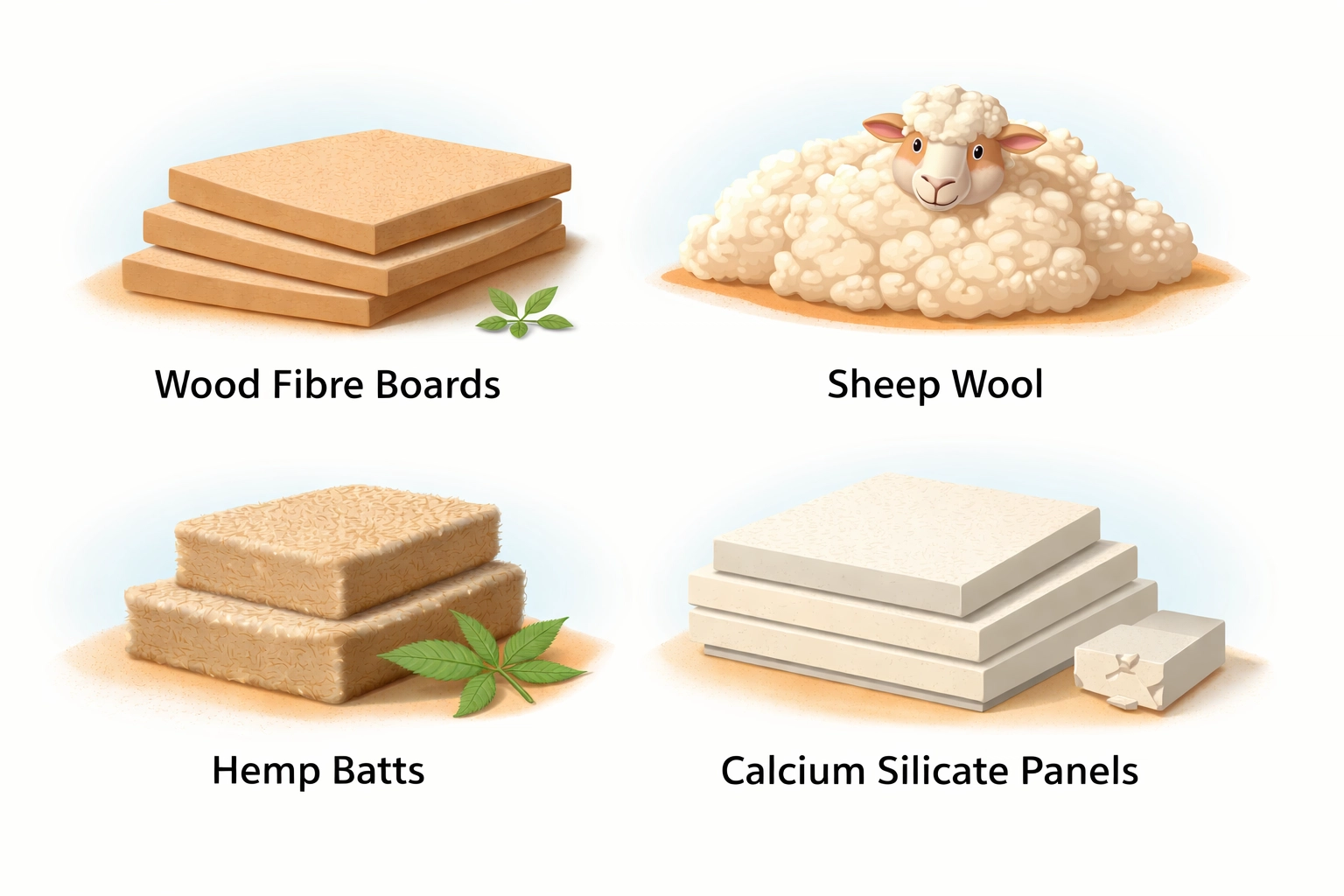
1. Wood Fibre Insulation
Natural and breathable. Wood fibre boards work brilliantly for internal wall insulation.
They absorb and release moisture naturally. Your walls stay dry. Your home stays warm.
2. Calcium Silicate Boards
Perfect for damp-prone areas. Calcium silicate regulates humidity while adding insulation value.
Use them on internal walls or in basements. They’re compatible with lime plasters too.
3. Mineral Wool (Breathable Types)
Fire-resistant and effective. Breathable mineral wool suits loft spaces and roof upgrades.
Avoid foil-backed versions. They block moisture movement.
4. Sheep Wool and Hemp
Fully natural options. Sheep wool absorbs moisture without losing insulating power.
Hemp works similarly. Both are ideal for loft insulation in period properties.
5. Lime-Based Finishes
Never use cement or plastic paints over breathable insulation. They seal surfaces and trap moisture.
Lime plaster and lime paint maintain vapour permeability. Your walls can still breathe.
Smart Insulation Strategies
A combined approach delivers the best results. Different areas need different solutions.
Loft and Roof Spaces
Your roof is the biggest heat escape route. Up to 25% of heat loss happens here.
Prioritise loft insulation first. It’s the most cost-effective upgrade.
Use breathable materials between and over joists. Sheep wool, hemp, or mineral wool all work well.
If you’ve converted your loft, consider multifoil insulation for tight spaces.
Internal Wall Insulation (IWI)
Ideal for front elevations. You preserve the historic facade while improving thermal performance.
Wood fibre or calcium silicate boards work best. Apply them to internal surfaces with lime plaster finishes.
You’ll lose a small amount of floor space. But you’ll gain significant warmth and comfort.
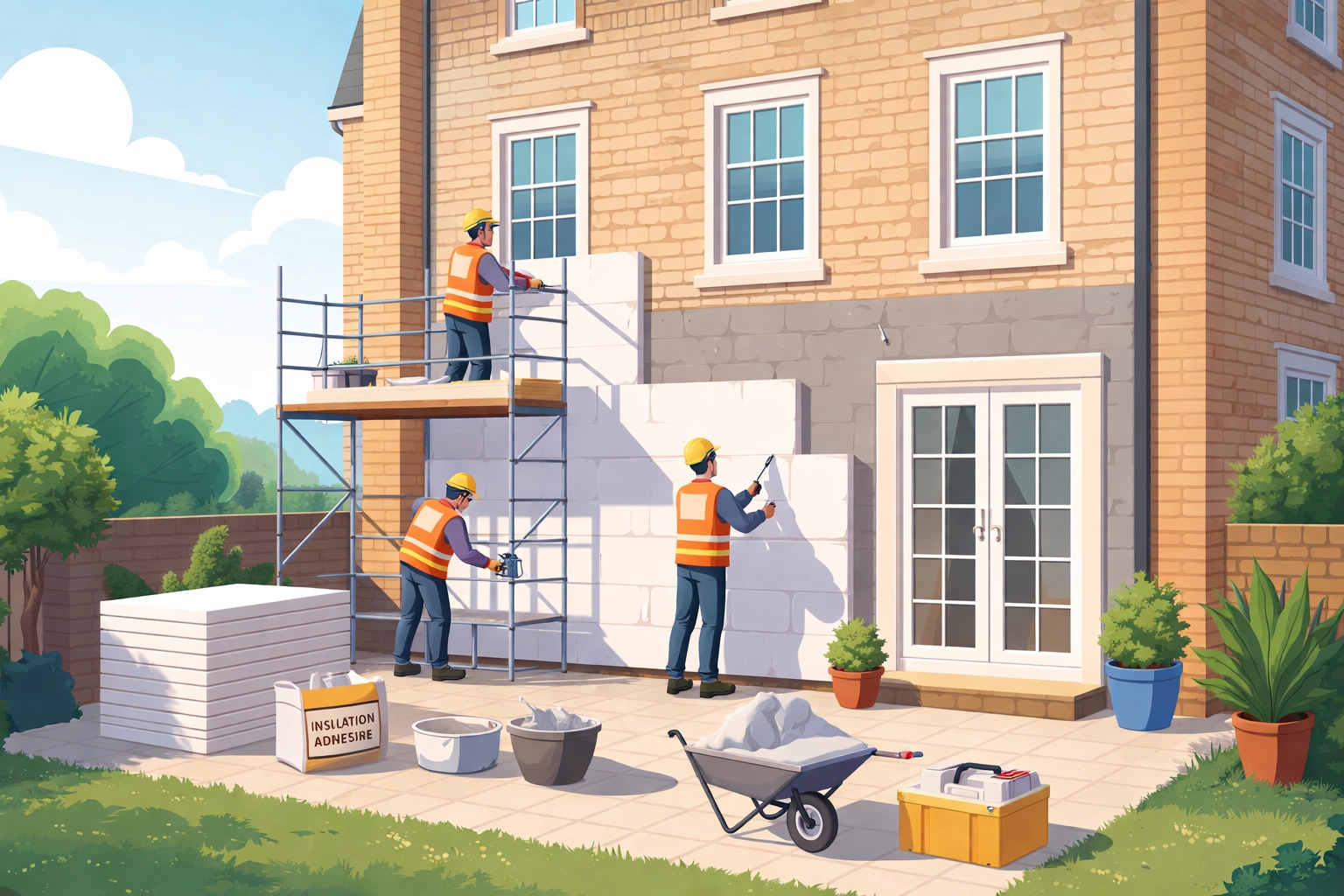
External Wall Insulation (EWI)
Best suited for rear walls. Most London properties face fewer planning restrictions at the back.
EWI keeps your brickwork warm and dry. It’s highly effective but changes your home’s external appearance.
Check with your local planning authority first. Conservation areas may have specific requirements.
Floor Insulation
Ground floors in Victorian homes are often suspended timber. Cold air circulates beneath.
Insulating between floor joists makes a noticeable difference. Use breathable materials to prevent moisture build-up.
Solid floors? Consider insulated lime screed or thin insulation boards.
Windows and Draughts
Original sash windows look stunning. They also leak heat constantly.
Draught-proofing is your first step. Brush seals and compression strips reduce heat loss significantly.
Secondary glazing adds another layer of protection. It’s usually acceptable in conservation areas.
For maximum efficiency, triple-glazed sash-style casements offer modern U-values with traditional aesthetics.
Planning Permission: What You Need to Know
Listed buildings require consent for most alterations. Even internal changes may need approval.
Conservation areas protect external appearances. Front elevations are usually off-limits for visible changes.
The good news? Sympathetic upgrades using traditional materials often get approved.
Internal insulation rarely needs permission. Rear extensions and loft conversions typically face lighter scrutiny.
Always check with your local authority before starting work. A pre-application enquiry can save time and money.
Avoiding Common Mistakes
Historic home insulation requires care. Rushing leads to expensive problems.
Don’t Block Ventilation
Sealing every gap feels logical. But your home needs airflow.
Blocked ventilation causes condensation. Condensation causes damp. Damp causes decay.
Balance draught reduction with adequate ventilation. Trickle vents, airbricks, and extraction fans all help.
Don’t Use Non-Breathable Materials
Plastic membranes and foil facings trap moisture. Avoid them in solid-walled properties.
Stick to vapour-open products. Your building surveyor can advise on suitable specifications.
Don’t Skip Professional Assessment
Every historic home is different. A one-size-fits-all approach doesn’t work.
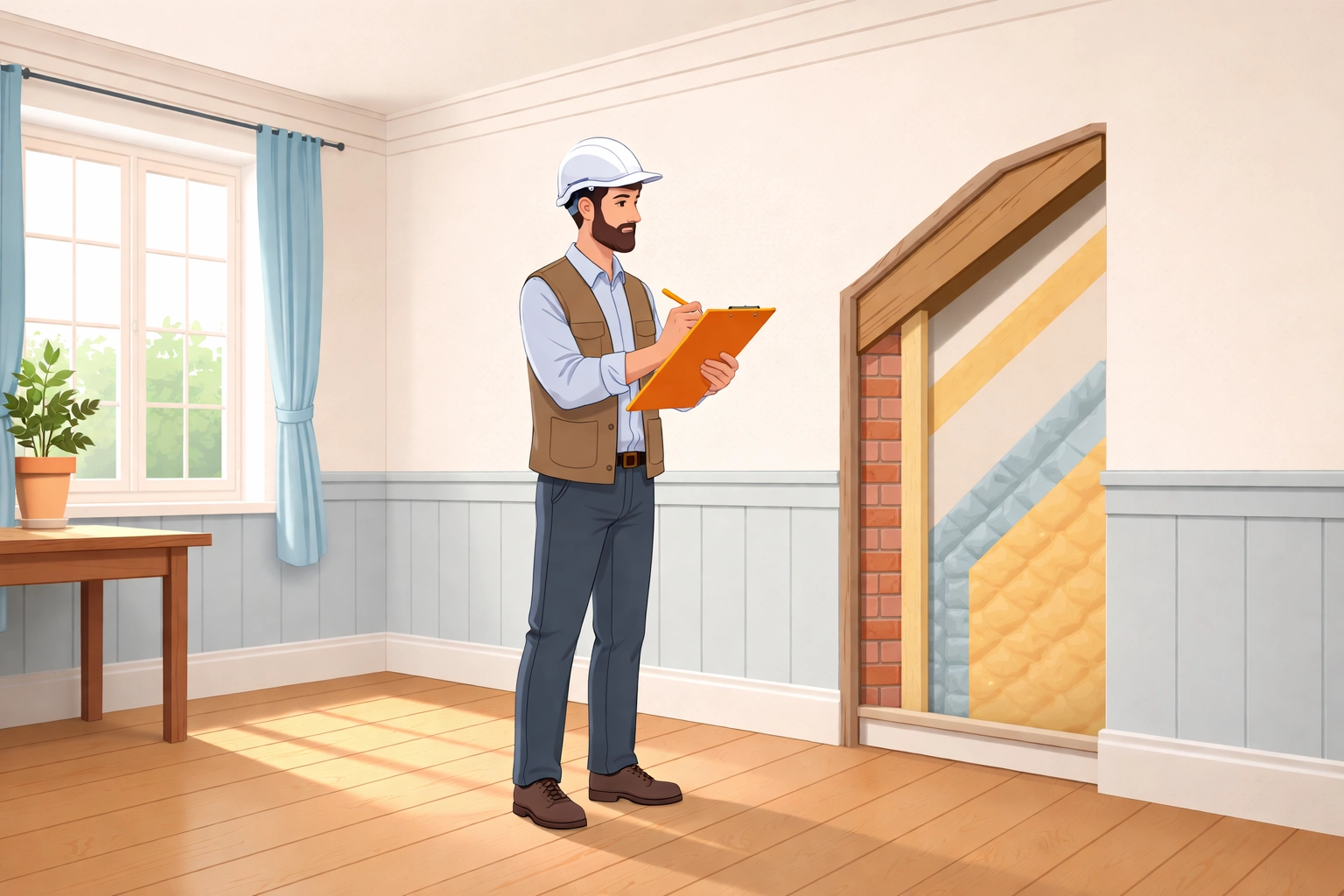
Get a proper survey first. Understand where heat escapes. Identify damp risks before adding insulation.
The Benefits of Getting It Right
Proper insulation transforms your historic home.
Lower energy bills. Less heat escaping means less money spent on heating.
Year-round comfort. Warmer winters. Cooler summers. No more cold spots.
Protected building fabric. Breathable materials keep walls dry and healthy.
Improved EPC rating. Better energy performance helps with future sales or rentals.
Reduced carbon footprint. Your period property becomes part of the solution.
Final Thoughts
Your London or South East historic home deserves modern comfort.
But it also deserves respect. The wrong insulation causes more harm than good.
Choose breathable materials. Work with your building’s character. Prioritise loft spaces first.
Combine internal and external solutions where possible. Always check planning requirements.
Done properly, insulation upgrades protect your property for decades. You’ll stay warm, save money, and preserve what makes your home special.
Ready to explore your options? Book your free consultation with ComfySeal today.
Want a quick estimate first? Get a quote online in minutes.