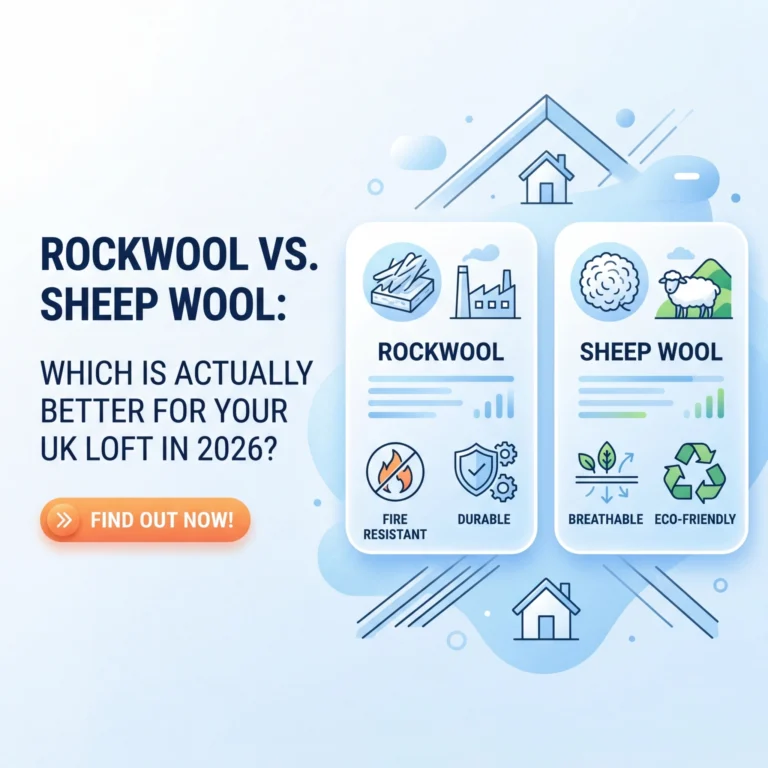
Choosing the right loft insulation can feel overwhelming. Two popular options dominate the UK market: Rockwool and multifoil. Both have loyal fans. Both promise energy savings.
But which one actually suits your home?
The answer depends on your space, budget, and priorities. This guide breaks down everything you need to know. By the end, you’ll have a clear picture of which insulation works best for your situation.
What Is Rockwool Loft Insulation?
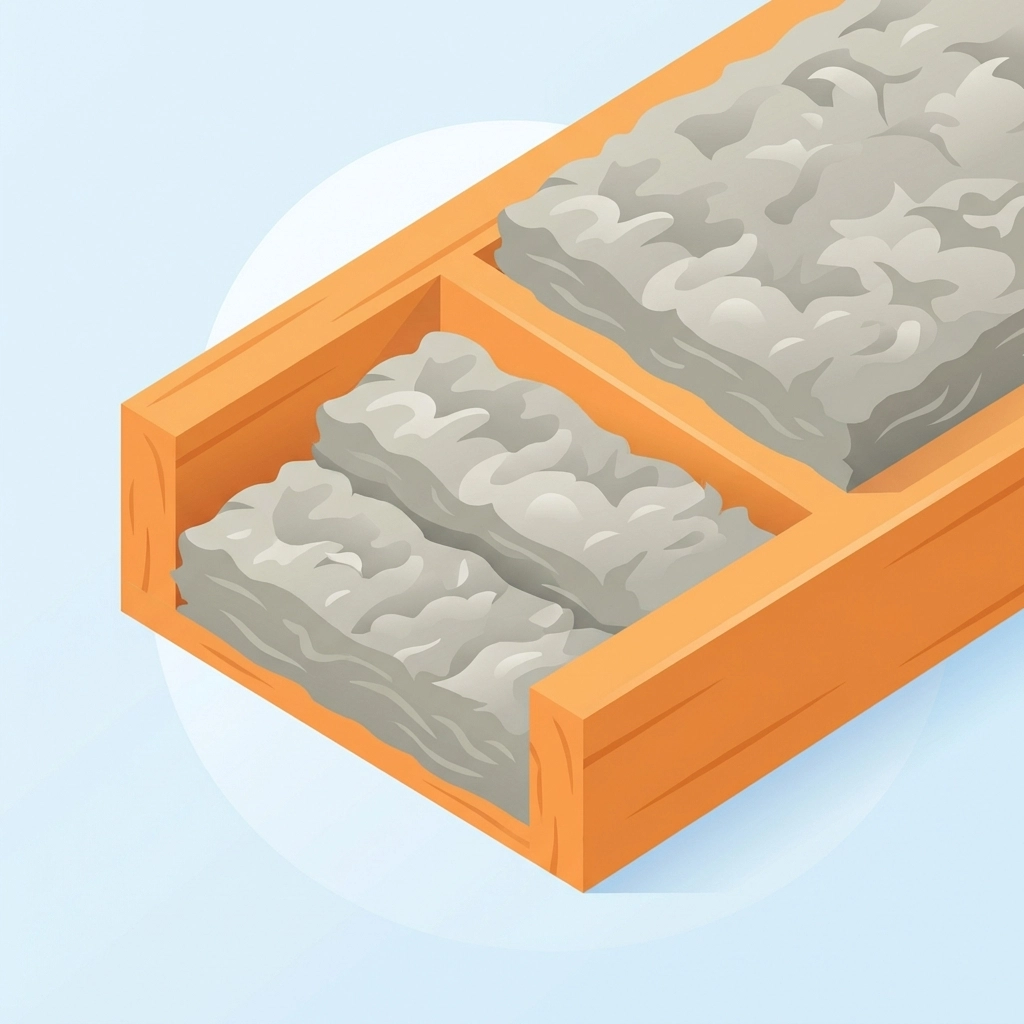
Rockwool is a type of mineral wool insulation. It’s made from volcanic rock spun into fibres. Think of it like candy floss, but made from stone.
Key characteristics:
- Excellent thermal conductivity (0.035–0.040 W/mK)
- Superior soundproofing qualities
- Highly fire-resistant (withstands over 1,000°C)
- Resistant to moisture, mould, and pests
Rockwool has been around for decades. It’s the traditional choice for UK loft insulation. Most homes built before 2010 likely have some form of mineral wool in the loft.
The material works by trapping air pockets within its fibres. This slows down heat transfer and keeps your home warmer in winter.
What Is Multifoil Loft Insulation?
Multifoil insulation takes a different approach. Instead of trapping heat, it reflects it.
The material consists of multiple layers of foil separated by foam or wadding. These layers create reflective barriers that bounce radiant heat back into your home.
Key characteristics:
- Reflects up to 97% of radiant heat
- Thin and lightweight
- Clean installation with no dust or irritation
- Often comes with lifetime guarantees
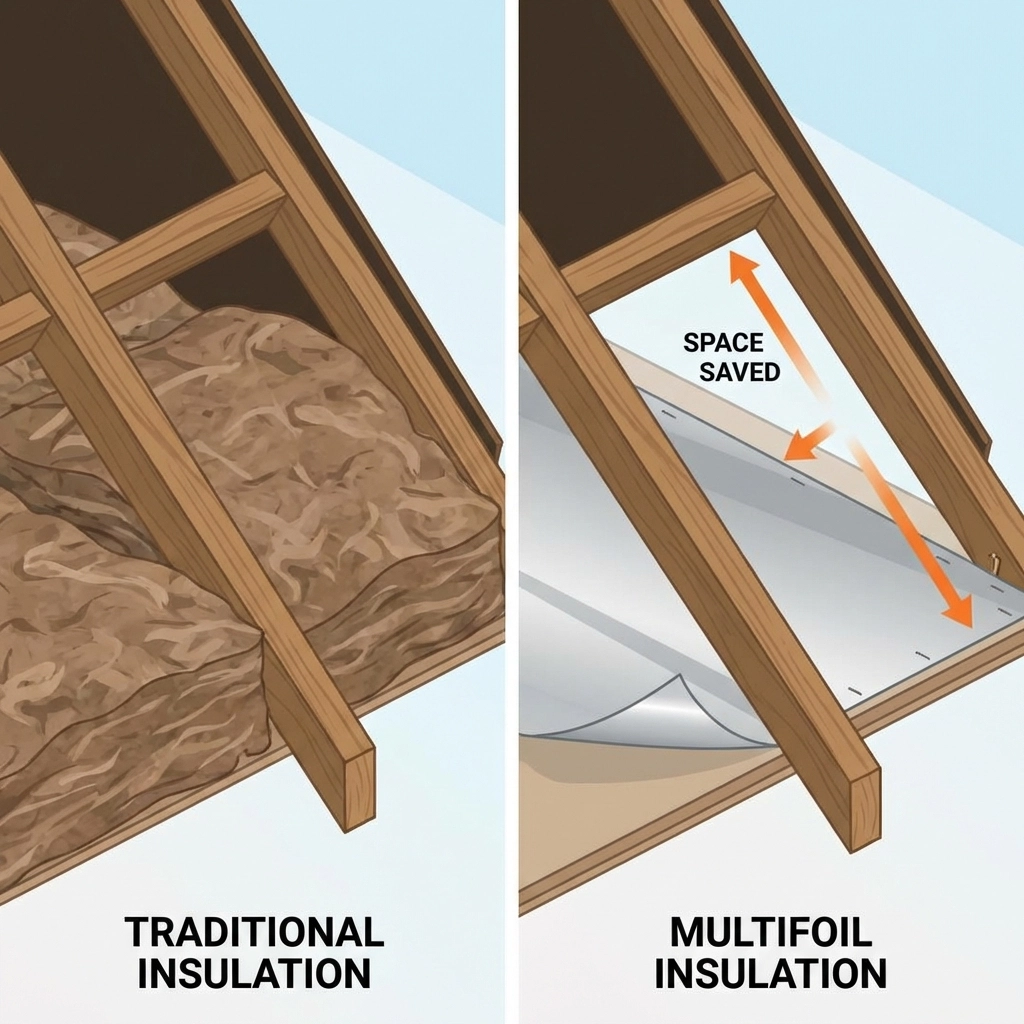
Multifoil is the newer kid on the block. It’s gained popularity for its space-saving design. A thin multifoil sheet can match the performance of much thicker traditional insulation.
If you’re working with limited loft space, multifoil offers a smart solution without sacrificing headroom.
Head-to-Head Comparison
Let’s look at how these two materials stack up across the factors that matter most.
| Feature | Multifoil | Rockwool |
|---|---|---|
| Thickness Required | 25-40mm typical | Up to 270mm for compliance |
| Thermal Performance | Reflects radiant heat | Handles conductive heat loss |
| Soundproofing | Limited | Superior |
| Fire Resistance | Non-combustible foil, foam core flammable | Withstands 1,000°C+ |
| Installation | DIY-friendly, no protective gear needed | Requires gloves, mask, goggles |
| Space Impact | Minimal: keeps loft usable | Bulky: reduces storage space |
| Lifespan | Lifetime guarantee common | May sag or compress over time |
| Cost Per Sqm | Around £10 (when combined with mineral wool) | Moderate, higher labour costs |
Neither material wins outright. Each excels in different areas.
When Rockwool Is the Better Choice
Rockwool remains the go-to option for many UK homeowners. Here’s when it makes the most sense.
1. You Need Soundproofing
Live near a busy road? Have noisy neighbours? Rockwool’s dense fibres absorb sound waves effectively.
Multifoil can’t compete here. If acoustic performance matters, Rockwool delivers.
2. Fire Safety Is a Priority
Rockwool is virtually fireproof. It won’t burn, melt, or produce toxic smoke. For homes with strict fire safety requirements, this matters.
The material is often specified in party walls and around chimneys for exactly this reason.
3. You Live in a Damp Climate
Scotland, Wales, or northern England? Rockwool handles moisture well. It resists mould growth and doesn’t provide a home for pests.
The fibres allow moisture to pass through rather than trapping it. This helps prevent condensation problems in your loft.
4. Budget Is Tight (For Materials)
Rockwool itself is relatively affordable. You can pick it up from most DIY stores. The catch? You’ll need more of it. And installation can be uncomfortable without proper gear.
When Multifoil Is the Better Choice
Multifoil insulation shines in specific situations. Here’s when it makes sense to choose the reflective option.
1. Your Loft Has Limited Headroom
This is multifoil’s biggest advantage. A thin layer performs like 120mm of traditional insulation.
Want to convert your loft? Multifoil preserves precious ceiling height. Want to keep storage space? Multifoil won’t eat into it.
2. You’re Installing It Yourself
No itchy fibres. No dust clouds. No respiratory concerns.
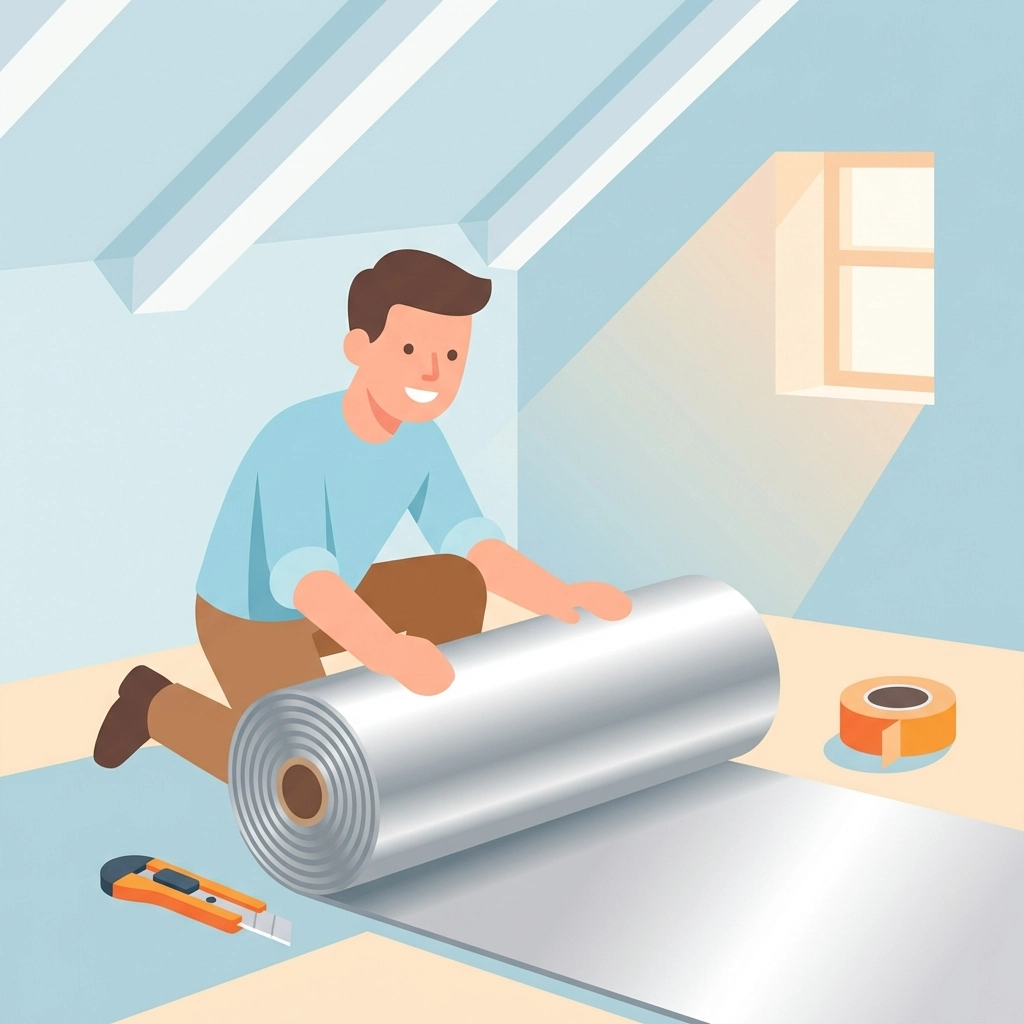
Multifoil rolls out cleanly. You can cut it with scissors. Most homeowners can handle installation without professional help.
3. You Want a Cleaner Loft Environment
Rockwool fibres can irritate skin, eyes, and lungs during installation. They can also shed particles over time.
Multifoil creates a clean, sealed environment. No loose fibres floating around your storage boxes.
4. You’re Topping Up Existing Insulation
Already have some loft insulation but need better performance? Adding multifoil on the rafters can boost your U-value significantly without major disruption.
Check out our multifoil loft insulation page for more details on how this works.
The Hybrid Approach: Best of Both Worlds
Here’s something many homeowners don’t realise. You don’t have to choose one or the other.
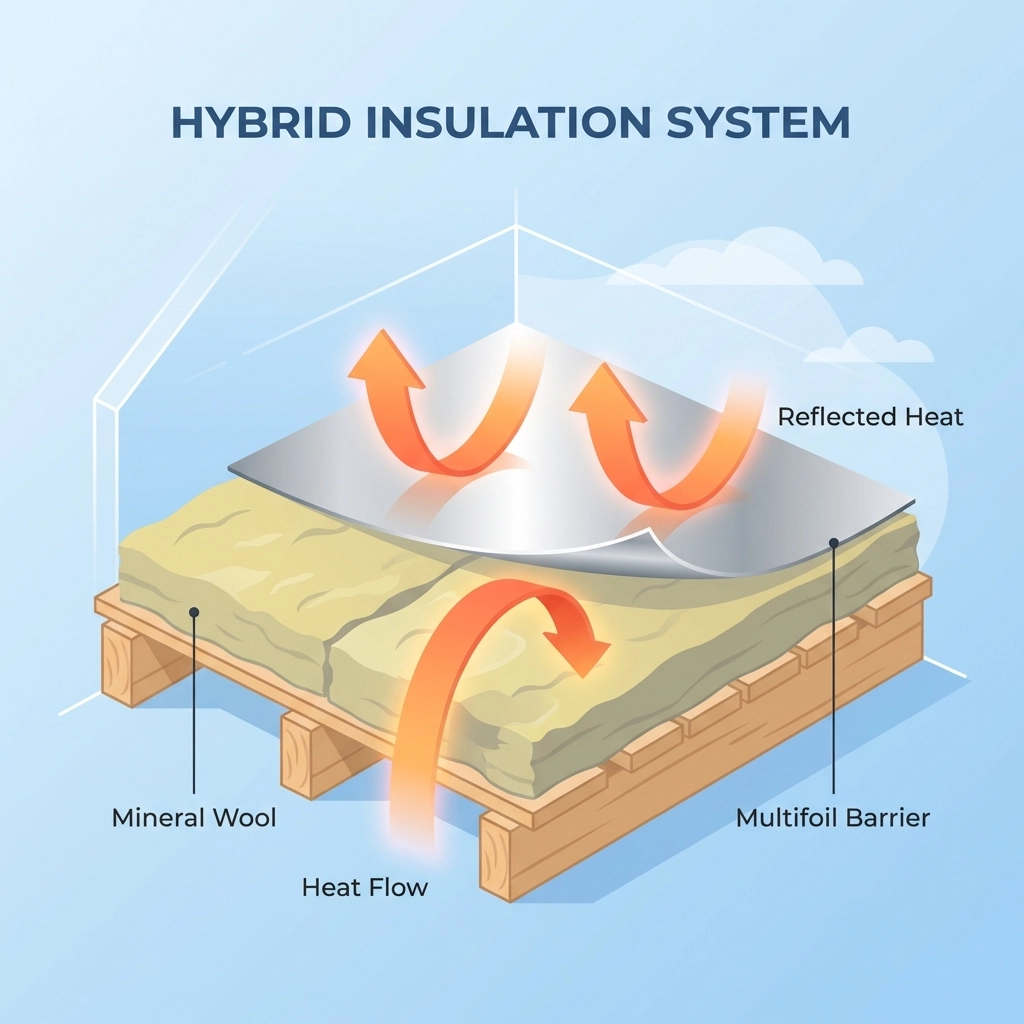
Combining 120mm of mineral wool with multifoil improves your U-value from around 0.24 to 0.18. That’s a significant jump in thermal performance.
This hybrid approach offers several benefits:
- Meets building regulations more easily
- Reduces total material costs compared to 270mm of pure Rockwool
- Adds reflective properties to traditional insulation
- Creates better air-tightness in your loft space
- Provides some soundproofing from the mineral wool layer
The multifoil acts as a radiant barrier while the mineral wool handles conductive heat loss. Together, they cover all bases.
This combination is particularly smart for loft conversions. You get thermal performance, acoustic benefits, and space efficiency in one system.
Installation Considerations
Both materials have different installation requirements. Here’s what to expect.
Rockwool installation:
- Requires protective clothing (gloves, mask, goggles)
- Heavier to handle and position
- Needs careful fitting around obstacles
- Can be uncomfortable in summer heat
Multifoil installation:
- Lightweight and easy to manoeuvre
- No special protective equipment needed
- Requires careful taping at joints for air-tightness
- Works best with an air gap for reflective performance
If you’re not confident tackling the job yourself, professional installation ensures proper coverage. Gaps and compression reduce effectiveness regardless of which material you choose.
Cost Breakdown
Let’s talk numbers. Prices vary by supplier and region, but here’s a general guide.
Rockwool (270mm depth for compliance):
- Materials: £5-8 per square metre
- Professional installation: £15-25 per square metre
Multifoil:
- Materials: £16-30 per square metre
- Professional installation: £24-40 per square metre
Hybrid system (120mm mineral wool + multifoil):
- Materials: Around £20 per square metre
- Professional installation: £36-56 per square metre
The hybrid approach often provides the best value. You get superior performance without the bulk or the premium price of thick single-material systems.
Which Should You Choose?
Still unsure? Here’s the quick decision guide.
Choose Rockwool if:
- Soundproofing is essential
- Fire safety is your top concern
- You’re on a tight materials budget
- Your loft has plenty of headroom
Choose Multifoil if:
- Space is limited
- You want easy DIY installation
- Clean installation matters to you
- You’re topping up existing insulation
Choose the hybrid approach if:
- You want maximum thermal performance
- You’re converting your loft
- You want to meet building regs efficiently
- Budget and space both matter
Final Thoughts
There’s no universal “best” insulation. The right choice depends on your home, your priorities, and your budget.
Rockwool delivers proven performance, excellent soundproofing, and unmatched fire resistance. Multifoil offers space efficiency, easy installation, and impressive thermal reflection.
For many UK homes, combining both materials delivers the smartest results.
Ready to improve your home’s energy efficiency? Get a quote from our team. We’ll help you find the perfect insulation solution for your specific situation.