Thinking about putting your home on the market? Your loft might be the secret weapon you're overlooking.
Loft insulation impacts everything from your asking price to how quickly you secure a buyer. Get it right, and you stand out in a competitive market. Get it wrong, and you hand buyers an excuse to negotiate down.
Here are 10 things every UK homeowner should know before listing.
1. Buyers Check Your EPC Rating First
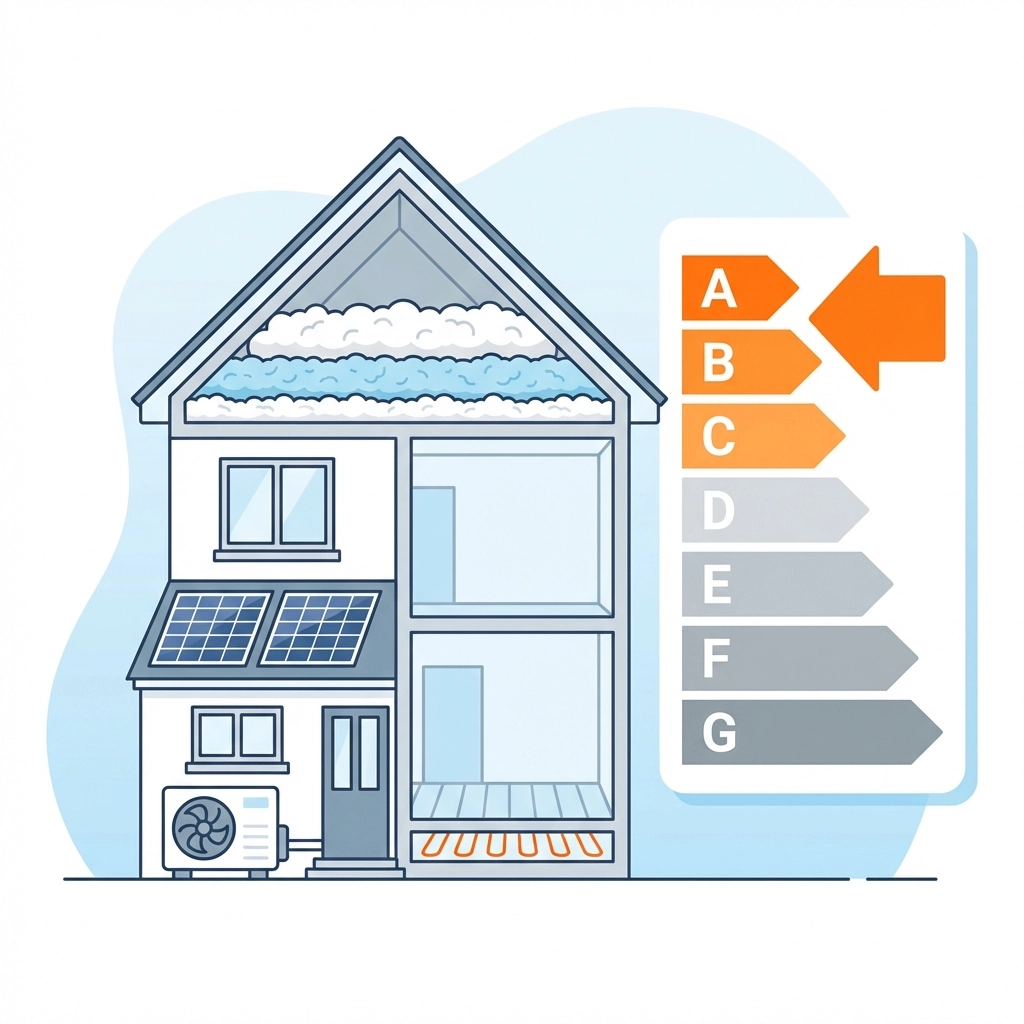
Your Energy Performance Certificate (EPC) is one of the first documents buyers review. It grades your home from A to G based on energy efficiency.
Loft insulation directly affects this rating. A poorly insulated loft drags your score down. A well-insulated one pushes it up.
Homes with higher EPC ratings sell faster. They also command better prices. Buyers know a good rating means lower bills and fewer upgrades needed after purchase.
2. Around 25% of Heat Escapes Through Your Roof
Heat rises. Without proper loft insulation, it escapes straight through your roof.
A quarter of your home's heat loss happens this way. That's money floating out of your property every single day.
Buyers understand this. They factor it into their offers. A cold, draughty home signals higher running costs and immediate work needed.
Proper insulation stops this loss. It keeps warmth where it belongs: inside your home.
3. Loft Insulation Delivers Over 100% ROI
Not all home improvements pay for themselves. Loft insulation does.
Studies show homeowners achieve over 100% return on investment when combining energy savings with increased property value. Compare that to kitchen renovations (50-75% ROI) and the numbers speak for themselves.
It's one of the smartest upgrades you can make before selling.
4. You Could Add 2-6% to Your Property Value
Upgraded insulation doesn't just save money. It adds measurable value to your home.
Property values can increase by 2 to 6 percent with proper insulation in place. On a £300,000 home, that's up to £18,000 extra.
Buyers see energy-efficient homes as premium properties. They're willing to pay more to avoid facing insulation work themselves.

5. Most UK Homes Are Under-Insulated
Here's a surprising fact. Over 80% of homes are under-insulated.
That means properly insulated properties stand out immediately. Yours becomes the exception, not the rule.
In a crowded market, this matters. Buyers comparing similar homes will gravitate toward the one that promises lower bills and better comfort from day one.
6. Buyers Expect Year-Round Comfort
Nobody wants a home that's freezing in winter and sweltering in summer.
Well-insulated lofts maintain consistent temperatures throughout the year. No cold spots. No draughts creeping down from above. No bedrooms that feel like ice boxes in January.
This comfort factor matters to buyers. Especially families with young children or older relatives. It's not just about saving money: it's about living well.
7. Poor Insulation Raises Red Flags During Surveys
When buyers commission a survey, insulation gets checked.
Inadequate or damaged loft insulation shows up in reports. Surveyors note it. Buyers use it as leverage to negotiate your price down.
Even worse, poor insulation can signal other problems. Damp issues. Condensation. Potential mould. These red flags scare buyers away or cost you thousands in price reductions.
Getting your insulation sorted beforehand removes this ammunition from negotiations.
8. Annual Savings of £200-£600 Appeal to Buyers
Energy bills matter. Especially now.
Properly insulated homes save homeowners between £200 and £600 annually on heating and cooling costs. That's real money buyers can redirect elsewhere.
When you can show potential buyers these savings, you're not just selling a house. You're selling lower monthly outgoings. Financial breathing room. Peace of mind.
This resonates strongly with first-time buyers watching every penny.
9. Insulation Quality Affects Indoor Air Quality
This one surprises people. Your loft insulation impacts the air you breathe.
Poor insulation allows dust, allergens, and pollutants to enter your living space. It can also trap moisture, creating conditions for mould growth.
Quality insulation acts as a barrier. It keeps external irritants out and prevents the damp conditions that lead to mould. Buyers with allergies or respiratory concerns pay attention to this.
A healthy home is an attractive home.
10. Different Insulation Types Have Different Impacts
Not all loft insulation is equal. The type you have: or install: matters.
Common options include:
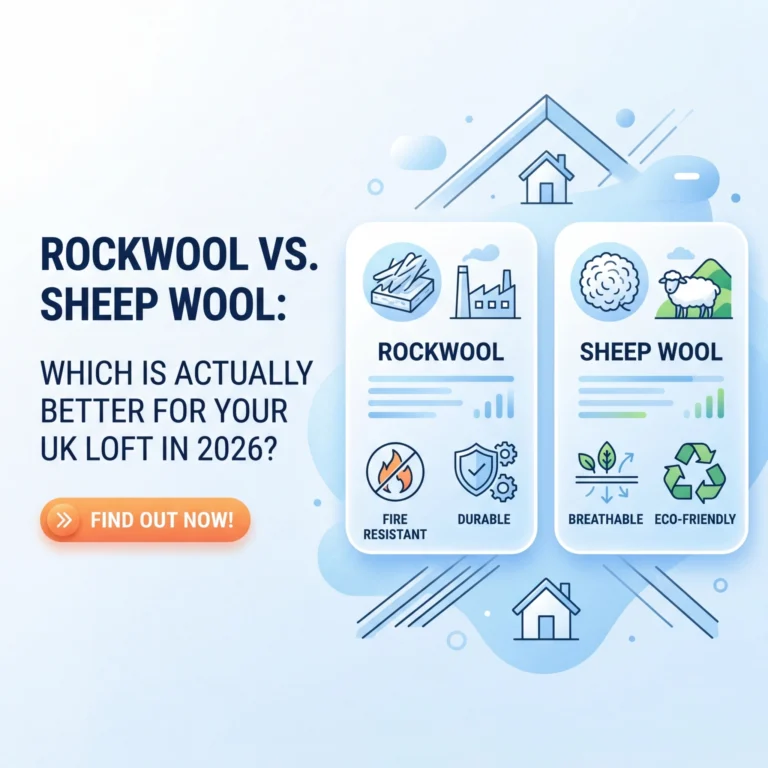
- Mineral wool (glass or rock wool): Affordable and effective. The most common choice for UK lofts.
- Multifoil insulation: Thin, reflective, and space-saving. Ideal for lofts with limited headroom.
- Spray foam insulation: Excellent thermal performance but comes with caveats for mortgage lenders.
- Loose-fill insulation: Good for awkward spaces and topping up existing coverage.
Each has pros and cons. Some buyers specifically check for spray foam due to mortgage concerns. Others appreciate premium options that signal quality throughout the property.
Know what you have. Be prepared to discuss it.

What Should You Do Before Listing?
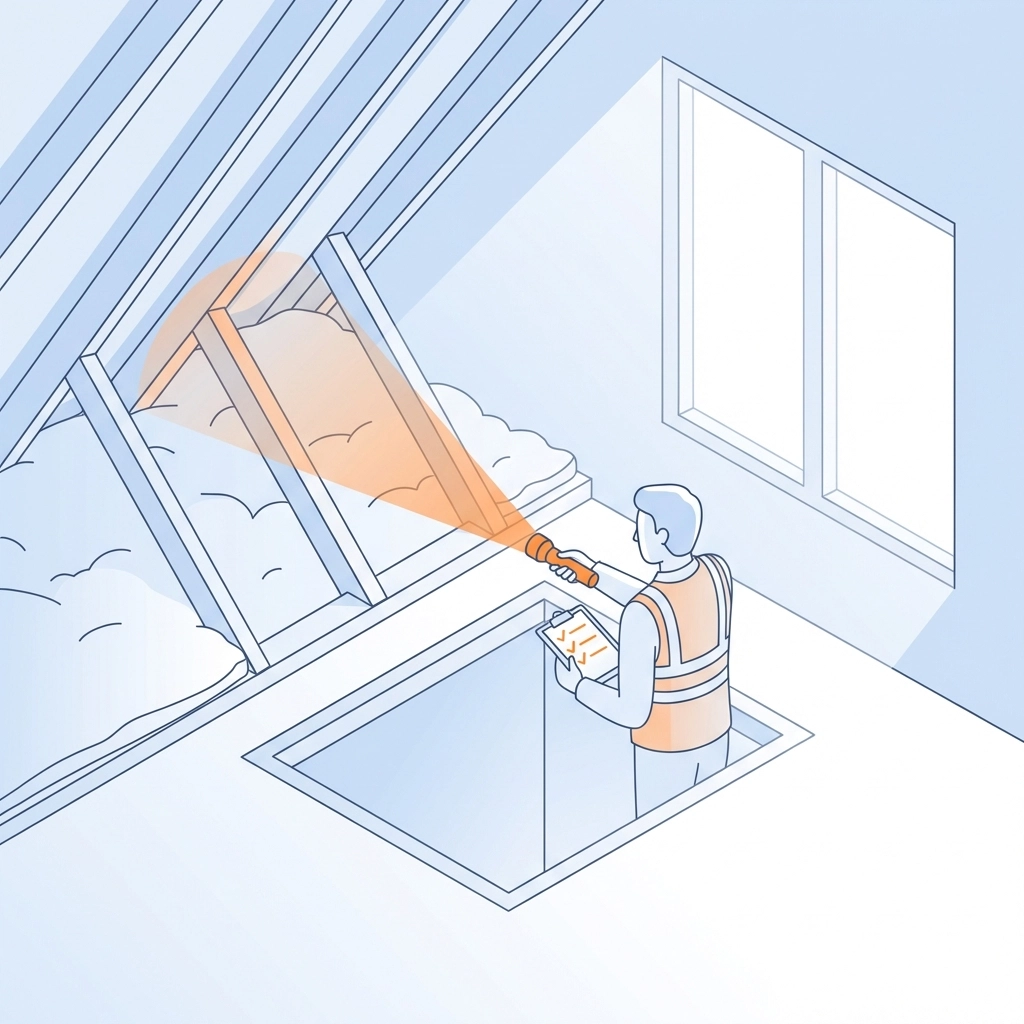
Start with an inspection. Check your current loft insulation depth and condition. UK guidelines recommend at least 270mm of mineral wool insulation.
If yours falls short, upgrading is straightforward. Most loft insulation installations complete within a day. Costs are reasonable: especially compared to the value added.
Get your EPC updated after any improvements. This ensures buyers see the benefit reflected in your rating.
Keep documentation. Receipts, certificates, and guarantees all reassure buyers. They prove the work was done properly by qualified professionals.
The Bottom Line
Your loft insulation says more about your home than you might think.
It affects your EPC rating. Your energy bills. Your property value. Your chances of a quick sale at a good price.
Buyers in 2026 prioritise energy efficiency. They're looking for homes that won't drain their wallets or leave them shivering.
Sorting your loft insulation before listing puts you ahead of the competition. It removes negotiation ammunition from buyers. It demonstrates you've maintained your property properly.
It's a small investment with significant returns.
Whether you need a top-up, a full replacement, or just a professional assessment, addressing your loft insulation before the "For Sale" sign goes up makes smart financial sense.
Your future buyer will thank you. Your bank balance will too.