Your loft is one of the most overlooked spaces in your home. It stores your belongings. It keeps heat from escaping. But have you ever considered whether it could become a fire hazard?
Most homeowners don’t think about the fire rating of their insulation. They focus on warmth and energy bills. Yet the material sitting above your ceiling plays a critical role in your family’s safety.
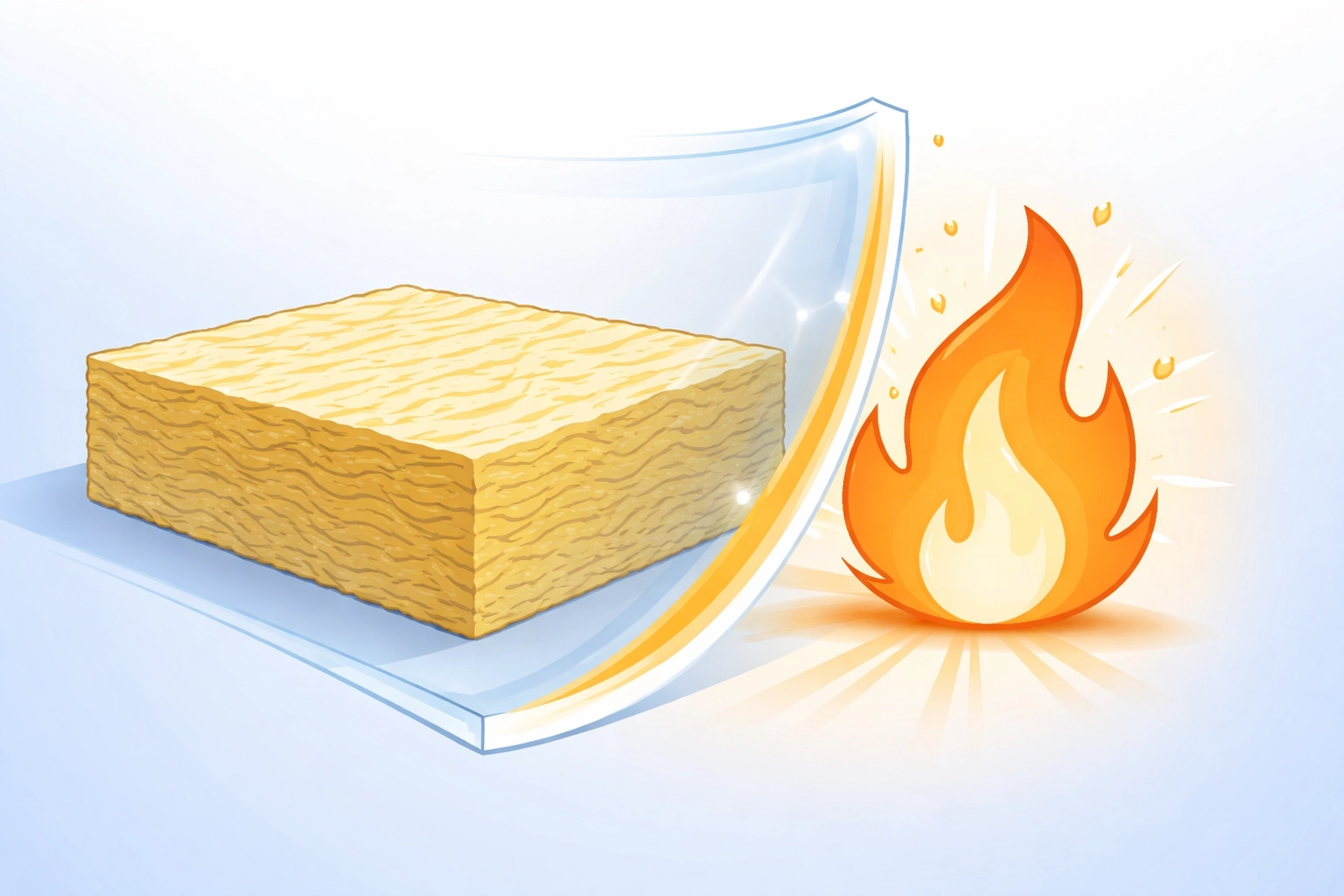
A1 fire rated insulation offers the highest level of protection available. It’s completely non-combustible. It won’t ignite, spread flames, or release toxic smoke.
This guide explains what A1 means, why it matters, and how to ensure your loft is genuinely safe.
What Does “A1 Fire Rated” Actually Mean?
Fire ratings aren’t marketing buzzwords. They’re official classifications under the European Standard EN 13501-1.
This system ranks building materials from A1 (safest) to F (most flammable). The rating tells you exactly how a material behaves when exposed to fire.
A1 rated materials are completely non-combustible. They don’t burn. They don’t contribute to fire growth. They don’t produce smoke or flaming droplets.
Materials in this category include:
- Mineral wool insulation
- Rockwool insulation
- Stone wool products
- Glass mineral wool
These materials can withstand temperatures exceeding 1,000°C. That’s hotter than most house fires ever reach.
The Euroclass Fire Rating System Explained
Understanding the full rating system helps you see why A1 stands apart.
A1 – Non-Combustible
No contribution to fire whatsoever. The gold standard for safety.
A2 – Limited Combustibility
Very limited contribution to fire. Still considered safe for high-risk buildings.
B to E – Varying Degrees of Combustibility
These materials can burn, spread flames, or produce smoke. They require additional fire safety measures.
F – No Performance Determined
Untested or failed materials. Avoid these entirely.
A1 and A2 materials are the only insulation types permitted in buildings over 18 metres tall. That restriction exists for good reason. When fire safety is critical, these are the only acceptable options.
Why Non-Combustible Insulation Matters in Your Loft
Your loft sits directly above every room in your home. If a fire starts there, it spreads downward quickly.
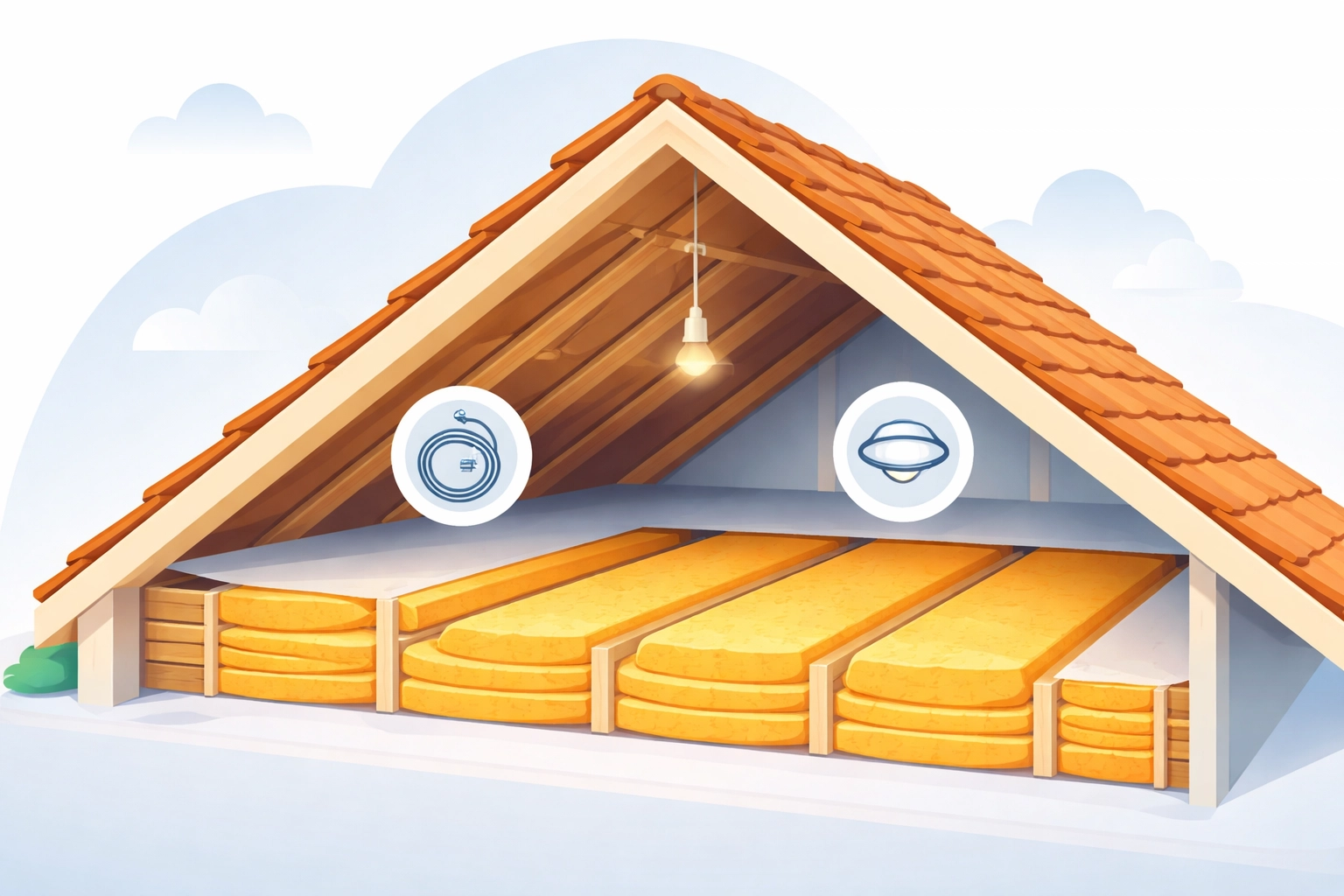
Electrical wiring runs through your loft. Downlights penetrate the ceiling. Storage boxes sit for years, gathering dust.
Non-combustible insulation removes one major risk from this equation. The insulation itself cannot catch fire or help flames spread.
Here’s what A1 rated insulation provides:
-
Complete Fire Resistance
The material won’t ignite under any circumstances. -
No Toxic Fumes
Many insulation materials release dangerous gases when burned. A1 products don’t. -
No Flaming Droplets
Some materials drip molten particles during a fire. This spreads flames to new areas. A1 insulation stays solid. -
Structural Protection
By not burning, the insulation helps contain fire and protects roof timbers for longer. -
Insurance Compliance
Some insurers offer better terms for homes with non-combustible insulation installed.
Common Loft Fire Hazards You Should Know About
Even with A1 rated insulation, your loft needs proper attention. The insulation itself is safe. But other elements require care.
Downlights
Recessed downlights generate significant heat. When insulation sits directly against them, problems can occur.
The solution is simple. Install downlighter covers that create a barrier between the heat source and insulation. Professional installers always account for this.
Electrical Wiring
Old or damaged wiring is a leading cause of loft fires. Insulation doesn’t cause electrical faults. But it can hide them from view.
A professional loft survey identifies wiring concerns before new insulation is installed.
Stored Items
Cardboard boxes, old newspapers, and forgotten decorations create fuel for fires. Keep flammable items away from heat sources and electrical equipment.
Poor Ventilation
Lofts need airflow. Blocked vents can cause moisture buildup, which damages wiring and creates mould. Proper installation maintains ventilation pathways.
Is Your Current Loft Insulation Fire Safe?
Many UK homes have insulation installed decades ago. Standards have changed significantly since then.
Older insulation materials may not meet current fire safety requirements. Some products sold in the 1970s and 1980s would not pass modern testing.
Ask yourself these questions:
- Do you know what type of insulation is in your loft?
- Has it been inspected in the last five years?
- Is it correctly installed around downlights and wiring?
- Does it meet the current 270mm depth standard?
If you can’t answer confidently, a professional assessment makes sense.

Rockwool and Mineral Wool: The A1 Standard
When homeowners choose A1 fire rated insulation, they typically select rockwool or mineral wool products.
Rockwool insulation is made from volcanic rock spun into fibres. It’s naturally fire resistant. It also provides excellent thermal and acoustic performance.
Mineral wool insulation uses similar technology with glass or stone fibres. Both products achieve A1 ratings consistently.
These materials offer additional benefits:
- Moisture resistant – won’t absorb water or promote mould
- Long lifespan – maintains performance for decades
- Environmentally friendly – made from abundant natural materials
- Pest resistant – rodents and insects avoid it
For UK homeowners concerned about both safety and energy efficiency, these products deliver on every front.
Professional Installation Makes the Difference
The best materials mean nothing without proper installation. Gaps, compression, and blocked vents all reduce effectiveness.
Professional loft insulation installers understand the details that matter:
- Maintaining the correct 270mm depth to meet Part L building regulations
- Creating proper clearance around downlights and electrical boxes
- Preserving ventilation at the eaves
- Ensuring continuous coverage without thermal bridges
DIY installation often misses these critical points. The result is reduced performance and potential safety issues.

Why UK Homeowners Trust ComfySeal
At ComfySeal, we specialise in professional loft insulation using A1 rated, non-combustible materials.
Every installation begins with a free professional loft survey. We assess your current insulation, identify hazards, and recommend the right solution for your home.
Our team is fully certified and insured. We follow all current UK building regulations, including Part L requirements for loft insulation depth standards.
Every job comes with our 10-year workmanship guarantee. If anything isn’t right, we make it right.
We install:
- Rockwool and mineral wool top-ups
- Multifoil loft insulation for space-saving applications
- Complete loft insulation upgrades
Whether you’re improving energy efficiency, meeting grant requirements, or simply want peace of mind, we deliver.
Final Thoughts
Fire safety isn’t something to leave to chance. Your loft insulation should protect your home, not put it at risk.
A1 fire rated insulation is the safest choice available. It doesn’t burn. It doesn’t spread flames. It gives you genuine peace of mind.
Combined with professional installation, proper clearances around electrical fixtures, and regular inspections, your loft becomes a safe, efficient space.
Ready to check your loft’s fire safety? Book your free survey today and let our certified team assess your home.