Converting your loft is one of the smartest ways to add space and value to your home. But here's the catch. Your insulation choice can make or break the project.
Get it wrong, and you lose precious headroom. Or worse: fail building control inspection.
In 2026, Part L building regulations loft insulation requirements are stricter than ever. The upcoming Future Homes Standard is pushing the bar even higher.
So what's the best insulation for loft conversion projects right now? Let's break it down.
Why Insulation Choice Matters More in Loft Conversions
Standard loft insulation sits on the floor. Simple enough.
But loft conversions are different. You're creating a living space. The insulation needs to go into the rafters and sometimes the floor too.
This creates two big challenges:
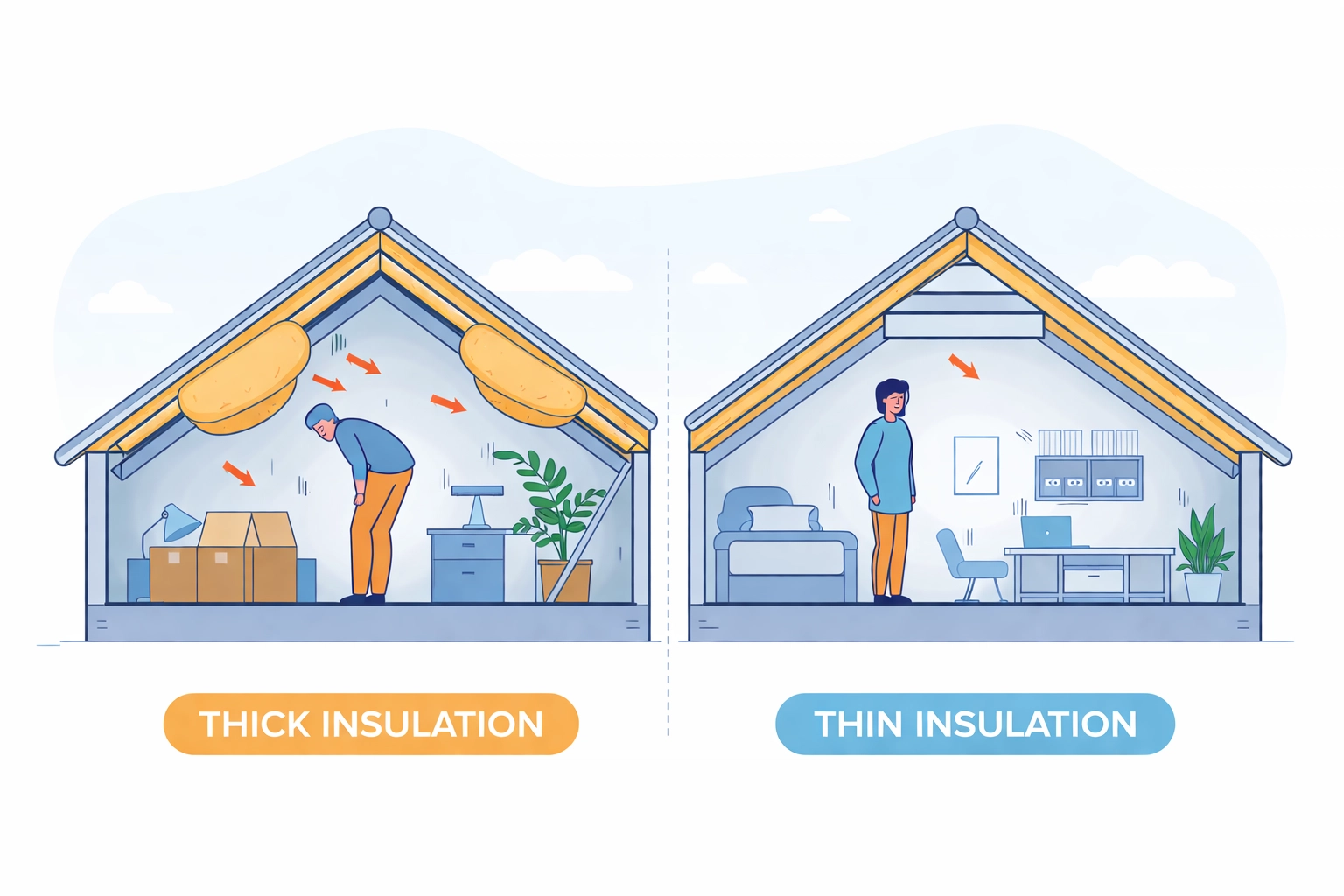
- Space is limited. Every centimetre of insulation thickness eats into your headroom.
- Regulations are strict. You must hit specific U-values to pass building control.
The wrong material means sacrificing ceiling height. Or failing to meet loft insulation depth standards.
Neither option is ideal.
What Do UK Building Regulations Require in 2026?
Under Part L building regulations loft insulation standards, your converted loft must achieve specific thermal performance levels.
Here's what you need to know:
- Pitched roofs: U-value of 0.18 W/m²K or better
- Typical thickness: Around 270mm for standard mineral wool
- Floor insulation: 100mm between joists for sound and heat
- Ventilation: Must be maintained to prevent condensation
If more than 25% of your roof is being renewed, you must meet these standards. No exceptions.
The Future Homes Standard (arriving 2025-2026) will push requirements even further. Homes will need to produce 75-80% less carbon emissions than current standards.
Planning your conversion now? Build in extra thermal performance. It future-proofs your investment.
The Big Debate: Multifoil vs Mineral Wool
When it comes to the best insulation for loft conversion projects, two materials dominate the conversation.
Multifoil insulation for the rafters. Mineral wool for the floor.
But which performs better? And can you use both?
Let's compare.
Multifoil Loft Insulation: The Space-Saver
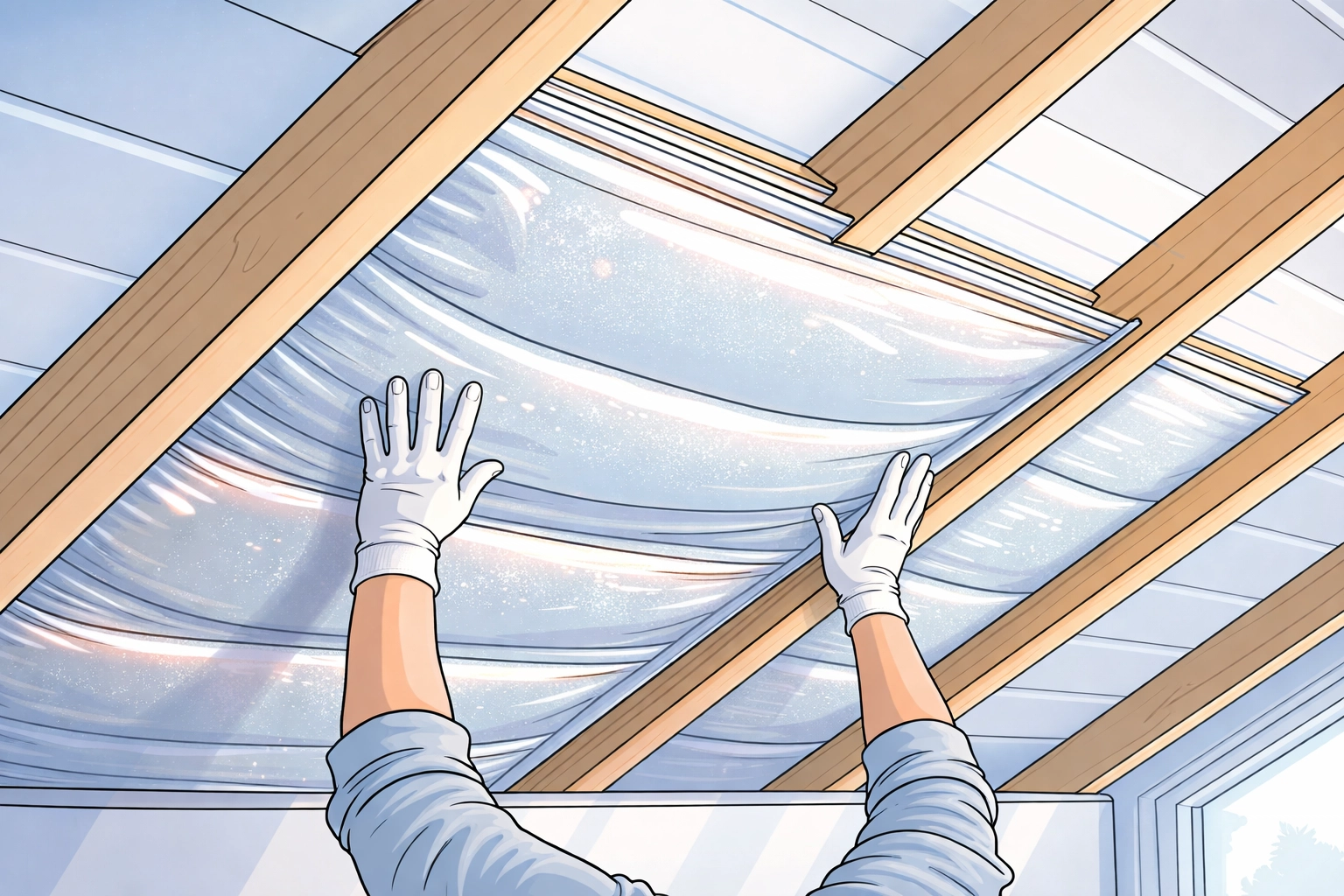
Multifoil loft insulation is a game-changer for conversions where headroom is tight.
It's a multi-layered product. Reflective foil sandwiches thin wadding layers. The result? Impressive thermal performance in a slim profile.
Key benefits:
- Thin profile. Typically 25-40mm thick compared to 270mm for mineral wool.
- Reflective technology. Bounces radiant heat back into the room.
- Lightweight. Easy to handle and install between rafters.
- Moisture resistant. Won't absorb water or sag over time.
The trade-off?
Multifoil alone may not achieve the required U-value. It often needs combining with other materials. And it requires proper air gaps to work effectively.
When installed correctly, multifoil loft insulation creates a warm, comfortable living space without stealing your ceiling height.
Learn more about multifoil solutions for tight spaces.
Mineral Wool: The Proven Performer
Mineral wool (including glass wool and rock wool) has been the go-to insulation for decades. There's a reason for that.
It delivers reliable thermal performance. It's affordable. And it's widely available.
Key benefits:
- Excellent thermal performance. Easily achieves 0.18 U-value at 270mm.
- Fire resistant. A1 fire-rated options available for extra safety.
- Sound absorption. Perfect for floor insulation between living spaces.
- Cost-effective. Lower material costs than multifoil.
The trade-off?
Thickness. You need 270mm to meet current regulations. In a loft conversion, that's a lot of headroom gone.
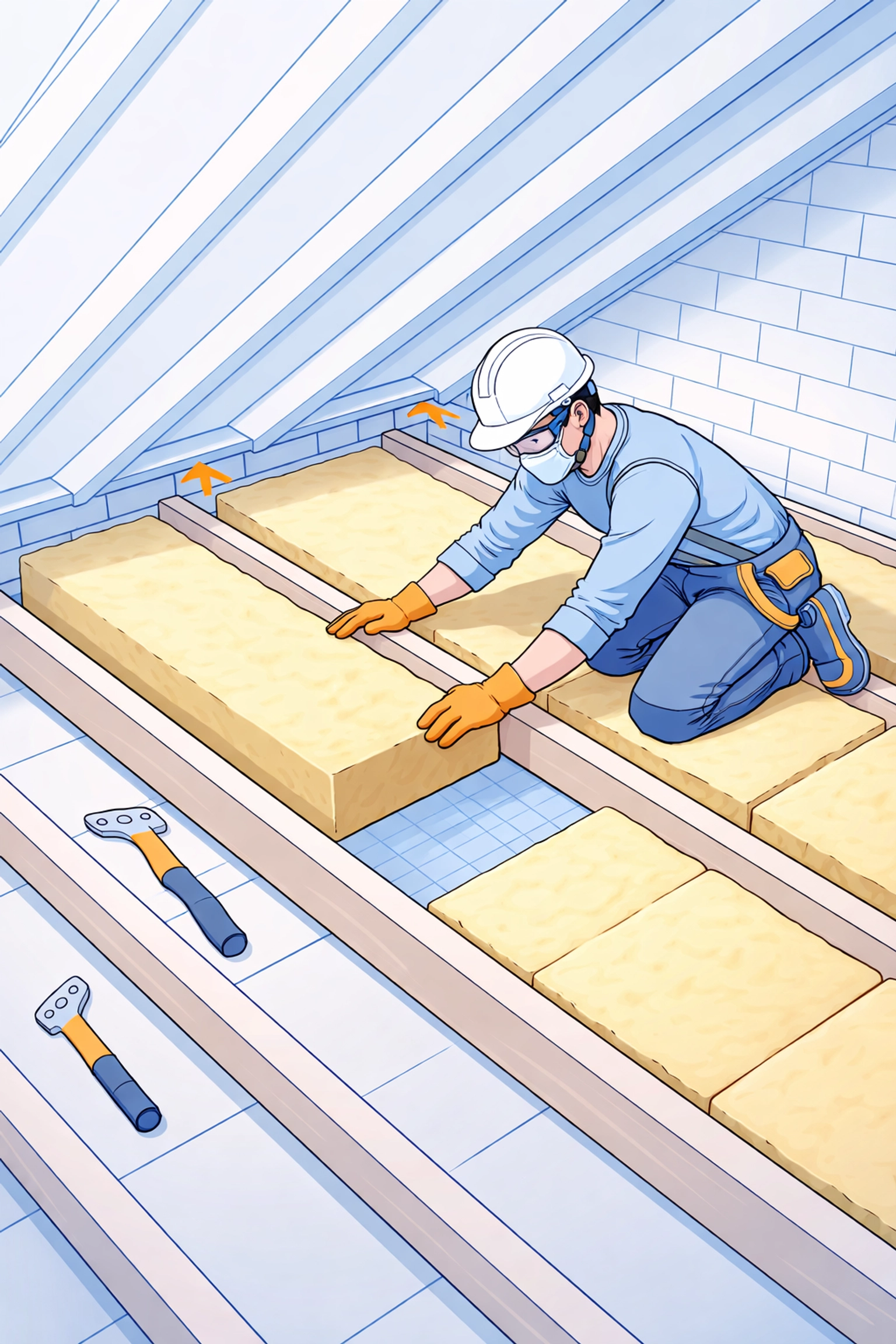
That's why mineral wool works best for floor insulation in conversions. Between the joists, thickness isn't a problem.
The Smart Combination Approach
Here's what experienced installers recommend for loft conversions:
- Rafters: Multifoil insulation (saves headroom)
- Floor: Mineral wool between joists (thermal and acoustic benefits)
- Combined system: Achieves Part L compliance without sacrificing space
This hybrid approach gives you the best of both worlds. Maximum thermal performance. Minimum space loss.
What About Mortgage Compliance?
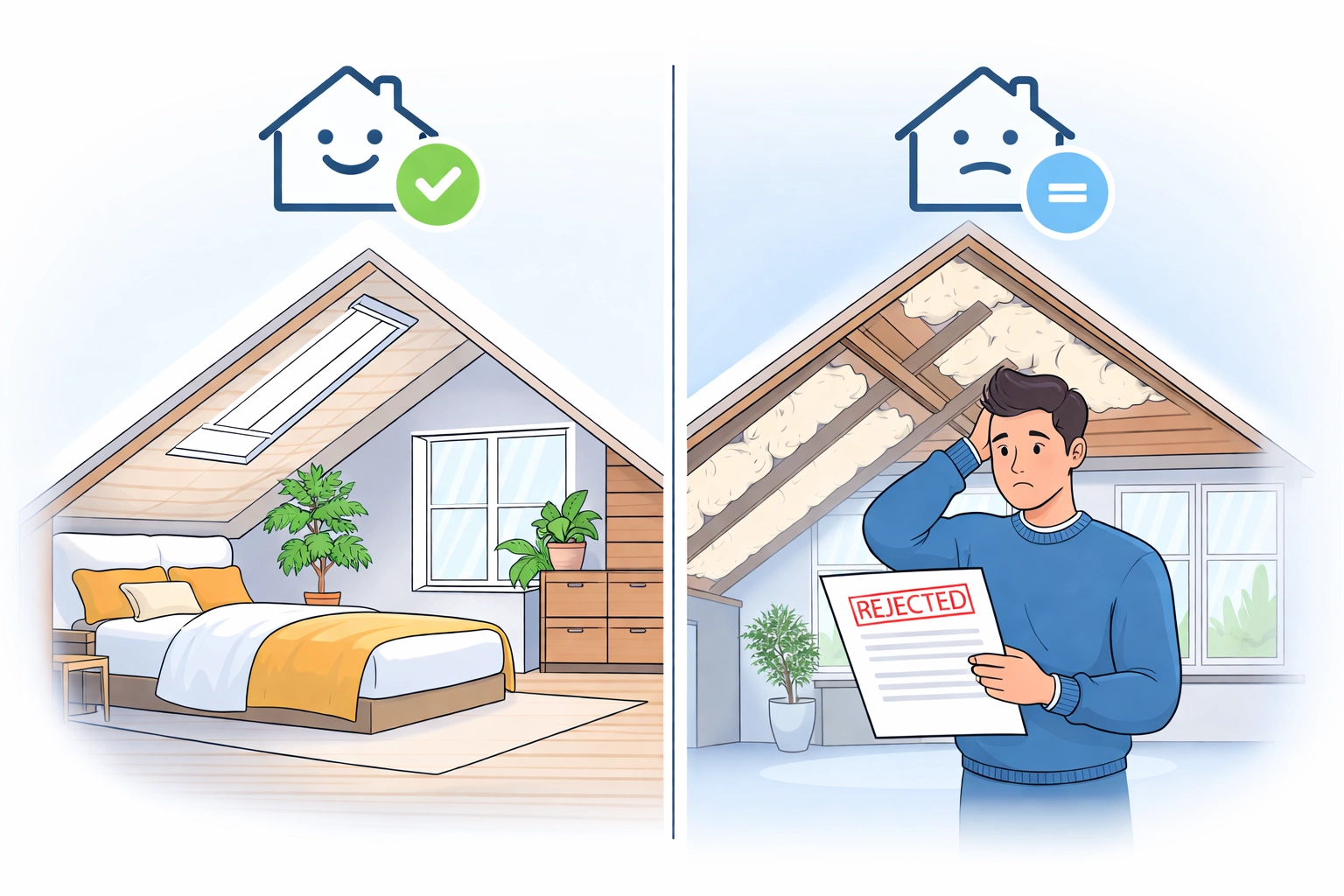
Here's something many homeowners overlook. Your insulation choice can affect mortgage eligibility.
Spray foam insulation has caused major problems for homeowners trying to sell or remortgage. Many lenders now reject properties with spray foam in the roof space.
Why? It can mask structural issues. It's difficult to inspect timber condition. And removal is expensive.
Multifoil and mineral wool don't have this problem. Both are mortgage-friendly materials that won't cause issues when you come to sell.
Planning to stay in your home forever? Maybe you're not worried. But life changes. Keeping your options open makes financial sense.
Read more about spray foam and mortgage issues.
Other Insulation Options for Loft Conversions
Multifoil and mineral wool aren't your only choices. Here are other materials worth considering:
PIR Boards (Polyisocyanurate)
Rigid foam boards with excellent thermal efficiency. Thinner than mineral wool for equivalent performance.
- U-value: Can achieve 0.18 at around 120-150mm
- Best for: Between and over rafters
- Consideration: Higher material cost
Sheep's Wool
A sustainable, natural option gaining popularity.
- Benefits: Breathable, moisture-regulating, eco-friendly
- Best for: Eco-conscious homeowners
- Consideration: Requires similar thickness to mineral wool
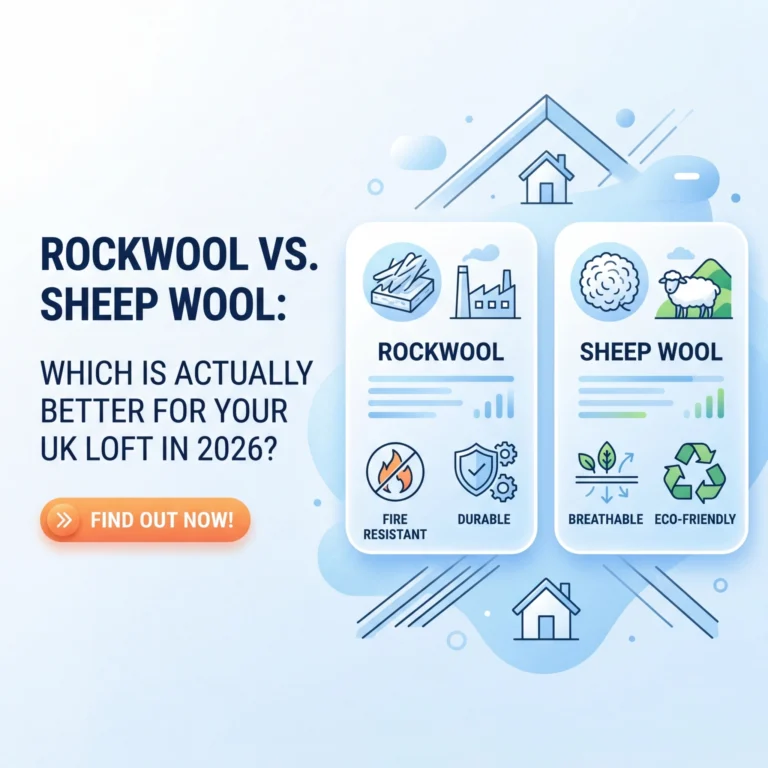
Rockwool (Stone Wool)
Similar to mineral wool but made from volcanic rock.
- Benefits: Excellent fire resistance (A1 rated), great acoustics
- Best for: Fire safety priority projects
- Consideration: Comparable thickness requirements
Meeting the Future Homes Standard
The Future Homes Standard is coming. By 2025-2026, new homes must be "zero-carbon ready."
While this primarily affects new builds, the ripple effects will reach renovation projects too. Building control officers are already looking more closely at thermal performance.
What does this mean for your loft conversion?
Aim higher than minimum requirements. A U-value of 0.15 instead of 0.18 costs little extra now. But it could save significant energy costs over the lifetime of your home.
It also makes your property more attractive to future buyers. Energy efficiency sells.
Getting Your Loft Conversion Right
Choosing insulation isn't just about materials. Installation quality matters just as much.
Poor installation leads to:
- Thermal bridging: Cold spots where heat escapes
- Condensation: Moisture buildup causing damp and mould
- Failed inspections: Building control rejection
Professional installation ensures:
- Proper ventilation maintained
- Correct air gaps for multifoil products
- Continuous insulation coverage
- Building regulations compliance
Why ComfySeal for Your Loft Conversion Insulation?
At ComfySeal, we specialise in getting loft insulation right. First time. Every time.
What we offer:
- Free survey: We assess your loft and recommend the best solution
- UK-wide service: We cover properties across the country
- 10-year guarantee: Peace of mind on materials and workmanship
- Building regs expertise: We ensure full Part L compliance
Whether you need multifoil loft insulation for the rafters or mineral wool for the floor, we handle it all.
No guesswork. No headroom sacrificed unnecessarily. No building control surprises.
Final Thoughts
The best insulation for loft conversion projects in 2026 isn't a single material. It's the right combination for your specific space.
Multifoil saves headroom in rafters. Mineral wool delivers performance and acoustics in floors. Together, they meet Part L building regulations loft insulation requirements without compromise.
Choose mortgage-friendly materials. Aim higher than minimum loft insulation depth standards. And work with installers who understand the regulations.
Your loft conversion deserves insulation that performs for decades. Get it right from the start.