Category: Regulations & Building Standards
Your EPC rating matters more than ever. Whether you're selling, remortgaging, or just trying to cut energy bills, that letter grade on your certificate can make or break your plans.
The good news? There's a proven shortcut. It's called the "Loft First" strategy. And it's the fastest way to jump from an EPC D or E to a C.
Here's exactly how it works.
What Is an EPC Rating and Why Does It Matter?
An Energy Performance Certificate (EPC) rates your home's energy efficiency from A (most efficient) to G (least efficient). It tells buyers, lenders, and landlords how much energy your property uses.
From 2025, rental properties need at least a Band C rating to meet new regulations. Mortgage lenders increasingly consider EPC scores when approving loans. And buyers? They're paying attention too.
A poor rating signals high energy bills. A good rating signals a comfortable, efficient home.
The problem is most UK homes sit somewhere between D and E. That's not good enough anymore.
Why "Loft First" Is the Smartest Starting Point
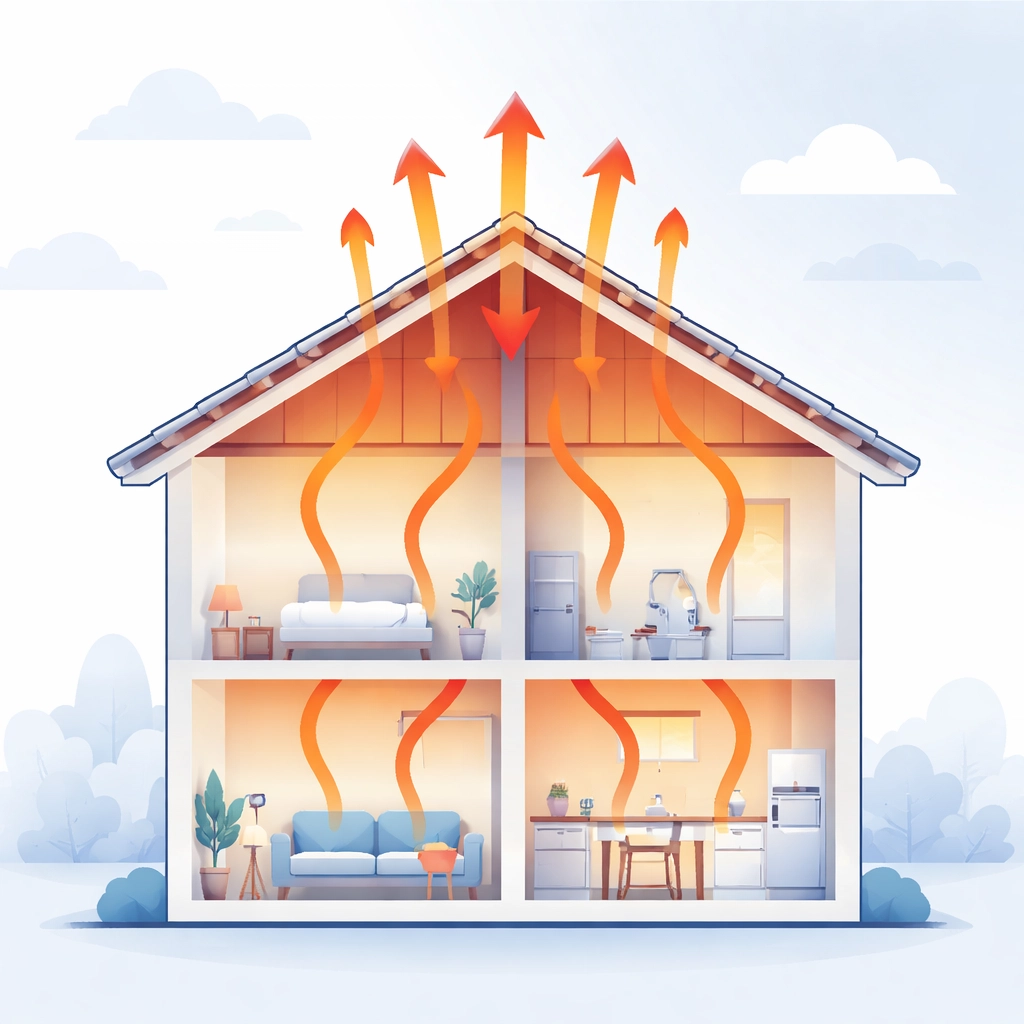
Heat rises. It's simple physics.
In an average UK home, up to 25% of heat escapes through the roof. If your loft insulation is thin, old, or missing entirely, you're essentially heating the sky.
EPC assessments place heavy emphasis on thermal efficiency. Properties with poor insulation get penalised because they require more energy to stay warm. By upgrading your loft insulation, you directly reduce heat loss. The EPC software recognises this and rewards you with a better score.
That's why loft insulation appears near the top of almost every EPC improvement recommendation. It delivers maximum impact for minimum disruption.
No major structural work. No planning permission. Just a straightforward upgrade that makes an immediate difference.
The Numbers: What Improvement Can You Expect?
Let's talk specifics.
Upgrading your loft insulation to the recommended depth of 270mm can improve your EPC by 10 to 15 points. That's often enough to jump an entire band.
Here's what that looks like in practice:
- EPC E (39 points) → Add loft insulation → EPC D (50 points)
- EPC D (55 points) → Add loft insulation → EPC C (69 points)
For properties with little or no existing insulation, the gains can be even higher. Some homeowners see improvements equivalent to two rating bands after a single upgrade.
The key is proper installation. Uneven coverage, compressed material, or gaps around hatches will limit your gains. That's why working with certified professionals matters.
How Loft Insulation Reduces Your Energy Bills
Improving your EPC isn't just about paperwork. It translates directly to lower energy costs.
When heat stays inside your home, your boiler works less. That means:
- Lower gas and electricity bills – Less energy required to maintain comfortable temperatures
- Faster heat-up times – Your home reaches the right temperature quicker
- More consistent warmth – Fewer cold spots and drafts
- Reduced carbon footprint – Less energy wasted means lower emissions

The average UK household spends over £1,500 per year on energy. Proper loft insulation can cut heating costs by up to £315 annually. Over a typical 40-year lifespan, that adds up to serious savings.
The payback period? Usually between two and four years. After that, the savings are pure profit.
What Happens During a Loft Insulation Upgrade?
Worried about disruption? Don't be.
A professional loft insulation installation is one of the least invasive home improvements you can make. Here's what to expect:
Step 1: Survey and Assessment
A certified surveyor inspects your loft space. They check existing insulation depth, ventilation, and any potential issues like damp or pests. This is also when you'll get an accurate quote.
At ComfySeal, we offer free, no-obligation surveys. You'll know exactly what's needed before committing to anything.
Step 2: Preparation
The installation team clears access routes and protects your belongings. Any old, damaged, or inadequate insulation may be removed or topped up depending on its condition.
Step 3: Installation
Fresh insulation is laid between and over the joists to reach the recommended 270mm depth. Proper coverage is essential. Every gap, every corner, every awkward space gets addressed.
Step 4: Final Checks
The team inspects the finished work to ensure even coverage and correct depth. Ventilation points remain clear to prevent condensation issues.
Most installations take just one day. You can stay in your home throughout.
Choosing the Right Insulation Material
Not all insulation is created equal. The most common options for loft spaces include:
Mineral Wool (Rockwool/Glass Wool)
- Excellent thermal performance
- Fire-resistant
- Cost-effective
- Easy to install between joists
Multifoil Insulation
- Thin and lightweight
- Ideal for rooms in the roof or limited spaces
- Reflects radiant heat
- Requires professional fitting for best results
For traditional loft spaces, mineral wool at 270mm depth is the gold standard. For conversions or low-clearance roofs, multifoil insulation offers a smart alternative.
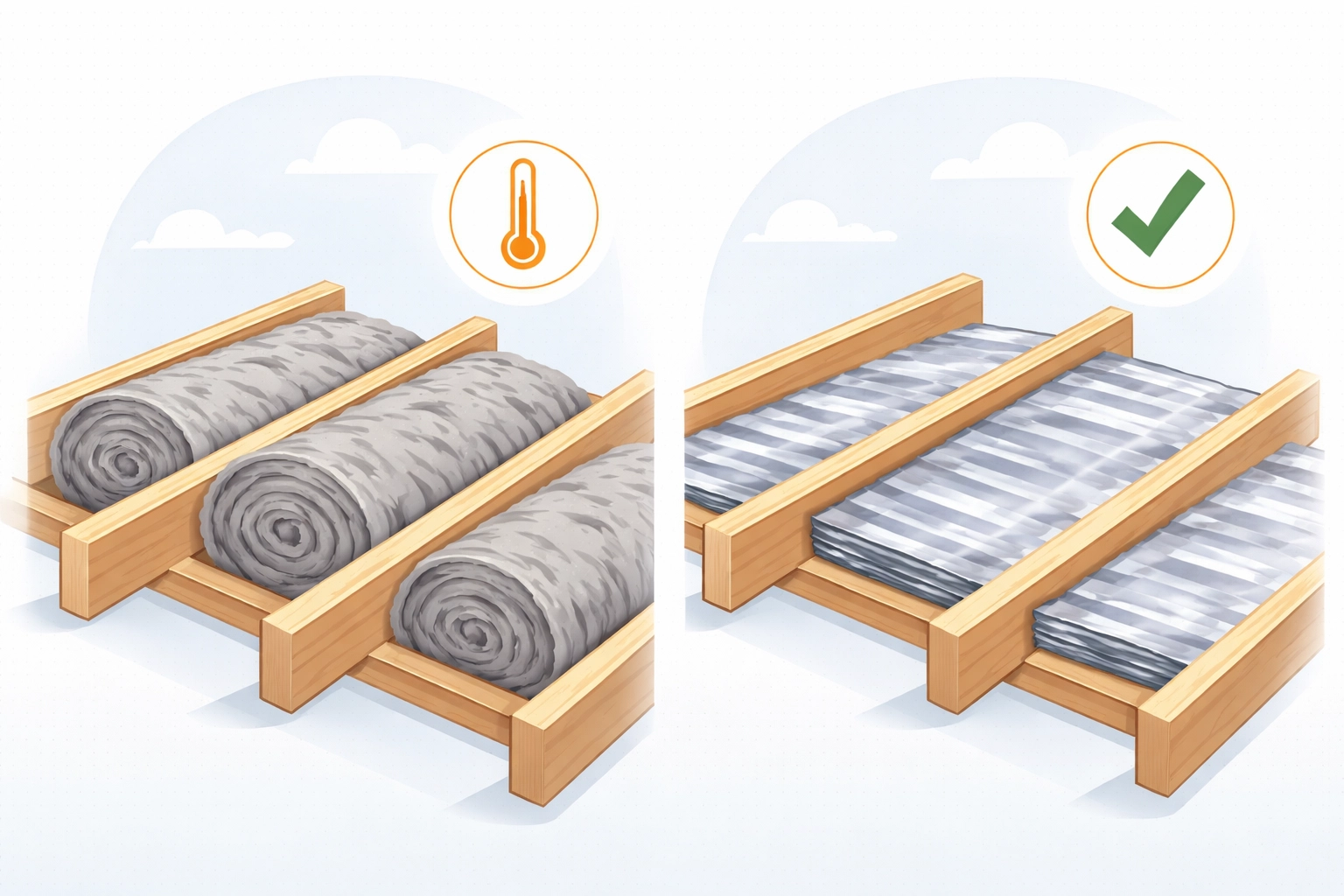
The right choice depends on your property. A proper survey will identify the best solution for your specific situation.
When Loft Insulation Alone Isn't Enough
Let's be realistic. Loft insulation is powerful, but it's not magic.
If your property is rated F or G, or if you're aiming for Band B or higher, you may need additional upgrades. The most effective combinations include:
- Cavity wall insulation – Stops heat escaping through external walls
- Heating system upgrades – Modern condensing boilers are far more efficient
- Smart heating controls – Programmable thermostats reduce energy waste
- Double or triple glazing – Reduces heat loss through windows
- Draught-proofing – Seals gaps around doors, windows, and floors
Your EPC certificate lists the most cost-effective improvements for your specific property. Check the recommendations page. It tells you exactly what to prioritise.
That said, for most D and E-rated homes, loft insulation delivers the biggest bang for your buck. It's the foundation. Get it right first, then build from there.
Why Work With Certified Professionals?
DIY loft insulation is possible. But it's rarely a good idea.
Here's why professional installation matters:
- Correct depth and coverage – Gaps and compression reduce effectiveness significantly
- Proper ventilation – Blocking vents causes condensation and damp problems
- Access to quality materials – Trade-grade insulation outperforms DIY alternatives
- Warranty and guarantees – Professional work is backed by insurance and certifications
- EPC compliance – Assessors verify installation quality during surveys
Poor installation doesn't just limit your EPC gains. It can create new problems like mould, rot, or pest infestations.
At ComfySeal, our teams are fully certified and experienced. We've helped hundreds of homeowners across the UK improve their EPC ratings quickly and efficiently.
Want to see examples? Check out our project gallery.
Ready to Boost Your EPC Rating?
The "Loft First" strategy works. It's fast, affordable, and proven.
If your home is stuck at a D or E rating, loft insulation is your quickest route to Band C. You'll cut energy bills, increase property value, and future-proof your home against tightening regulations.
ComfySeal Ltd offers free surveys and honest advice. No pressure. No hard sell. Just clear information about what your property needs.
Get your free quote today and find out how much you could improve your EPC rating.
Final Thoughts
Heat escapes through your roof. That's the problem. Proper loft insulation stops it. That's the solution.
The "Loft First" strategy isn't complicated. It's simply the smartest place to start. One upgrade, one day of installation, and you could jump an entire EPC band.
Your home deserves to be comfortable and efficient. Your wallet will thank you too.