Timber frame homes are popular across the UK. They're quick to build, sustainable, and energy-efficient when done right.
But insulating them? That's where things get technical.
Unlike traditional brick and block construction, timber frames have unique requirements. Get it wrong, and you risk moisture damage, rot, and costly repairs.
In 2026, stricter energy standards make proper insulation more important than ever. Here's what you need to know.
Why Timber Frame Homes Need Special Attention
Timber frames behave differently from masonry walls. The structure relies on wooden studs and panels rather than dense brick.
This creates both advantages and challenges.
The good news: Timber has natural thermal mass. It absorbs and stores heat, helping regulate indoor temperatures.
The challenge: Timber is sensitive to moisture. Trapped condensation can lead to rotting timbers and structural damage over time.
Your insulation choice directly affects how well your home manages heat and moisture. Choose the wrong material or install it poorly, and problems follow.
Understanding the Moisture Equation
Moisture management is the single most important factor in timber frame insulation.
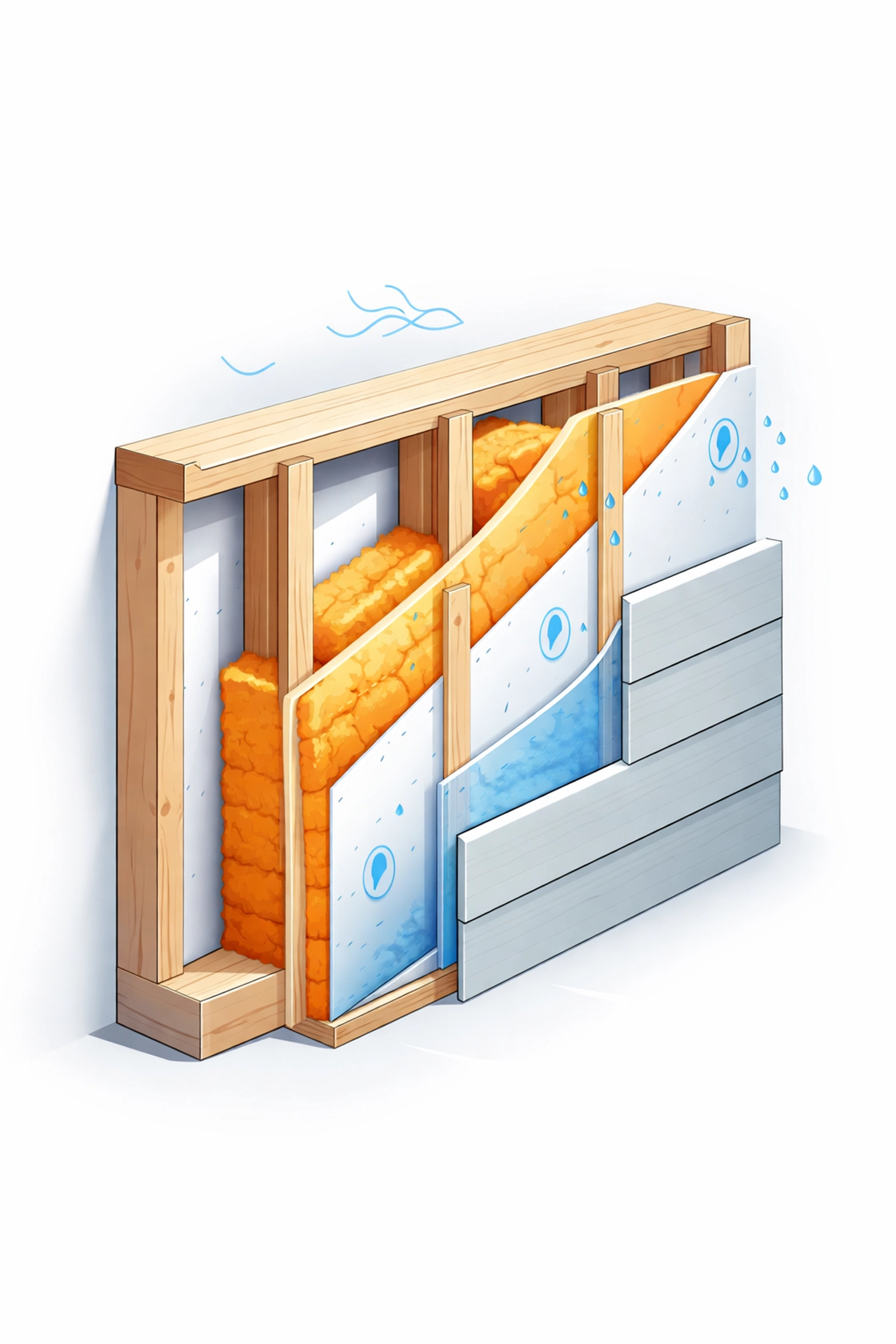
Warm, moist air from inside your home naturally moves outward through walls. In a timber frame, this moisture must escape before it reaches cold surfaces where it can condense.
This means your insulation system needs three key elements:
- Vapour control layer on the warm (internal) side
- Breathable insulation that allows moisture to pass through
- Breather membrane on the exterior to let water vapour escape
Skip any of these, and moisture gets trapped. That's when problems start.
Material Options for 2026
The insulation market has evolved significantly. Here are your main choices for timber frame homes in 2026.
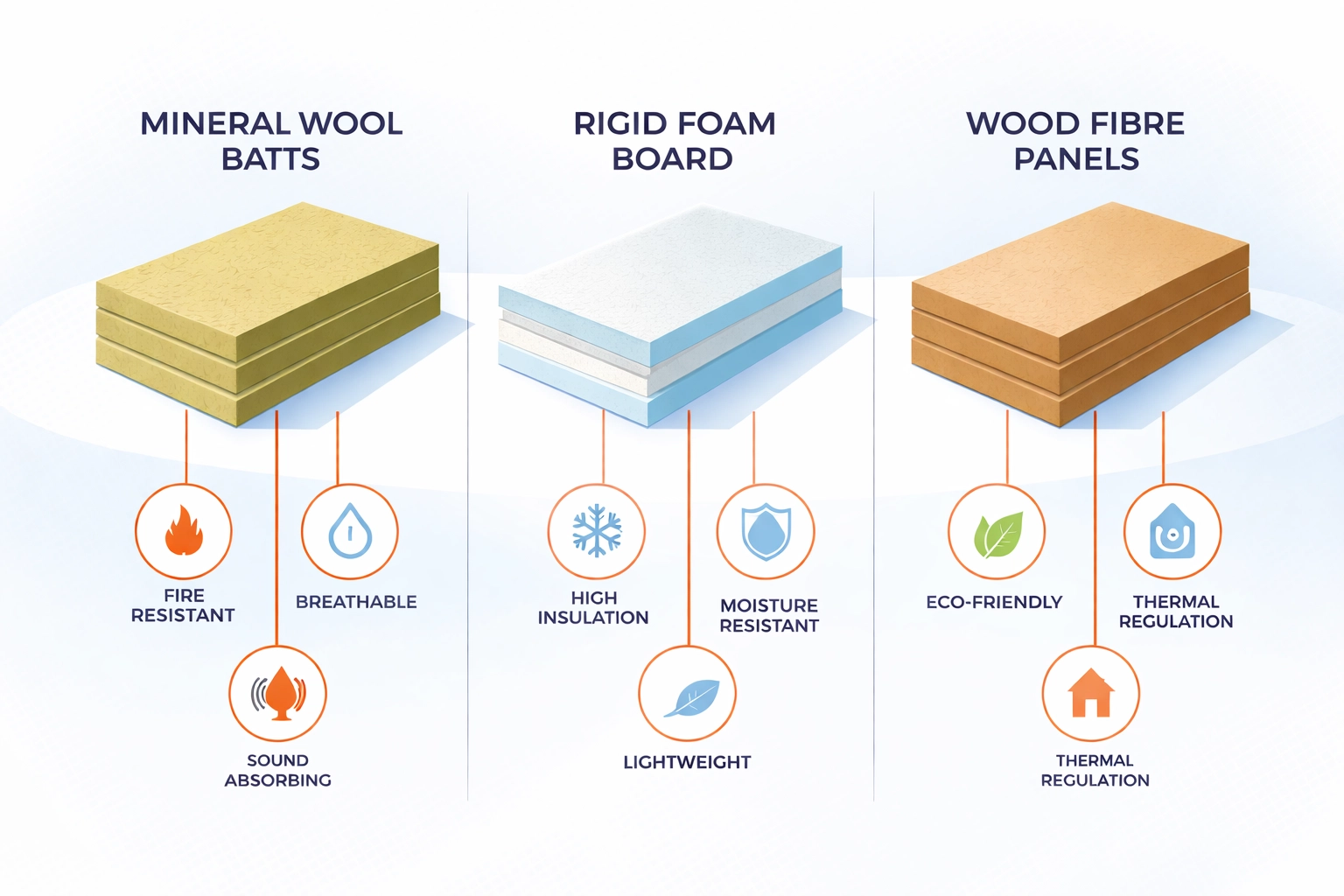
1. Mineral Wool
Mineral wool remains a reliable, cost-effective option. It fits between timber studs and provides good thermal performance.
Key benefits:
- Excellent fire resistance
- Good acoustic insulation
- Breathable, allowing moisture to escape
- Widely available and affordable
The catch? Installation must be precise. Any gaps or compression reduce effectiveness dramatically.
2. PIR and Rigid Foam Boards
Polyisocyanurate (PIR) boards offer high insulation value in slim profiles. They're ideal when wall depth is limited.
These boards work well as an external layer, reducing thermal bridging across timber studs. However, they're less breathable than mineral wool.
For timber frames, combining rigid boards externally with breathable insulation internally often delivers the best results.
3. Natural and Sustainable Options
Eco-conscious homeowners have excellent choices in 2026.
Sheep's wool, cellulose, and wood fibre insulation are highly breathable. They help regulate humidity and protect timber from moisture damage.
Wood fibre boards are increasingly popular in UK Passivhaus projects. They offer low embodied carbon and work naturally with timber structures.
These materials cost more upfront. But they align perfectly with timber frame construction principles.
4. Structural Insulated Panels (SIPs)
SIPs are transforming timber frame construction. They combine structure and insulation in a single, highly efficient layer.
Why they're gaining popularity:
- Higher R-values per inch than most alternatives
- Pre-manufactured for quick installation
- Excellent airtightness
- Reduced thermal bridging
Many new timber frame builds in 2026 use SIPs as standard. For retrofits, they're less practical but worth considering for extensions.
5. Spray Foam: A Word of Caution
Spray foam achieves excellent airtightness and thermal performance. However, it's controversial in timber frame homes.
Closed-cell spray foam can trap moisture within the wall structure. If your timber frame wasn't designed for it, problems can develop.
Before choosing spray foam, consult a specialist. Understanding the implications for resale and mortgages is also essential.
Installation Precision: Non-Negotiable in 2026
Meeting 2026 energy standards demands precision. Rough installation no longer cuts it.
Critical steps for timber frame insulation:
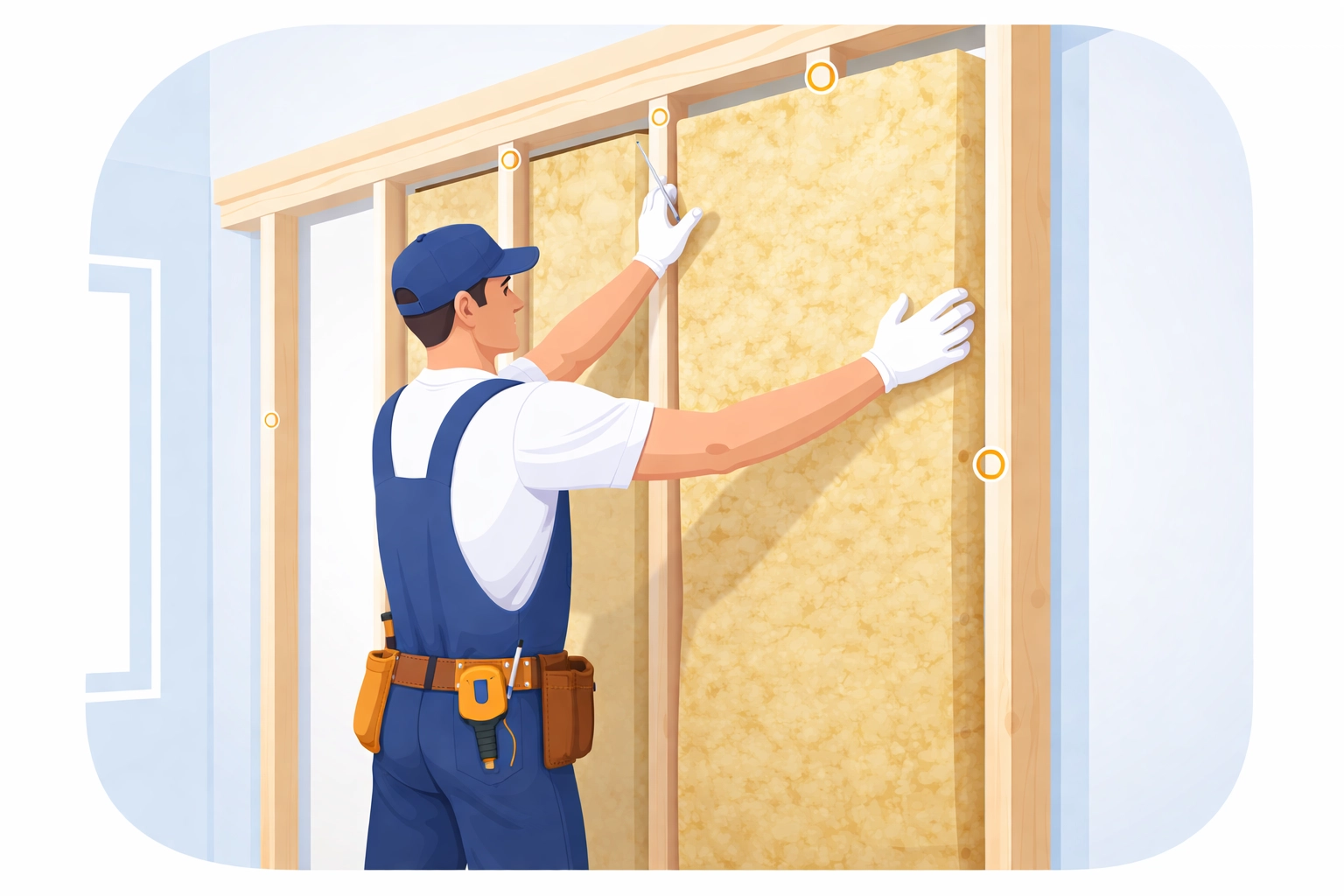
- Fit insulation tightly between studs with no gaps
- Use continuous insulation layers to avoid cold spots
- Install vapour control on the warm side without tears or gaps
- Fit breather membranes correctly on the exterior
- Seal all joints and penetrations for airtightness
Thermal imaging after installation reveals any weak points. Many professional installers now include this as standard.
Meeting 2026 Energy Standards
Energy regulations have tightened considerably. Your insulation choices directly impact compliance.
Target U-Values
For Passive House or Net Zero certification, walls typically need U-values below 0.15 W/m²K. Standard Building Regulations require around 0.18-0.20 W/m²K for new builds.
Achieving these figures often requires layering multiple insulation approaches.
The Layered Approach
Many 2026 projects combine internal and external insulation:
- External boards beneath weatherproof cladding reduce thermal bridging
- Internal insulation between studs provides the main thermal barrier
- Service voids with insulated plasterboard boost performance further
This layered strategy delivers excellent thermal performance while protecting your timber structure.
Airtightness Matters
Insulation alone isn't enough. Air leakage undermines even the best materials.
In timber frame homes, focus on:
- Sealing around window and door frames
- Taping all vapour control layer joints
- Sealing service penetrations (pipes, cables, sockets)
- Addressing the junction between walls and roof
Professional airtightness testing identifies problem areas before they affect your energy bills.
Smart Technology Integration
2026 brings new tools for monitoring timber frame performance.
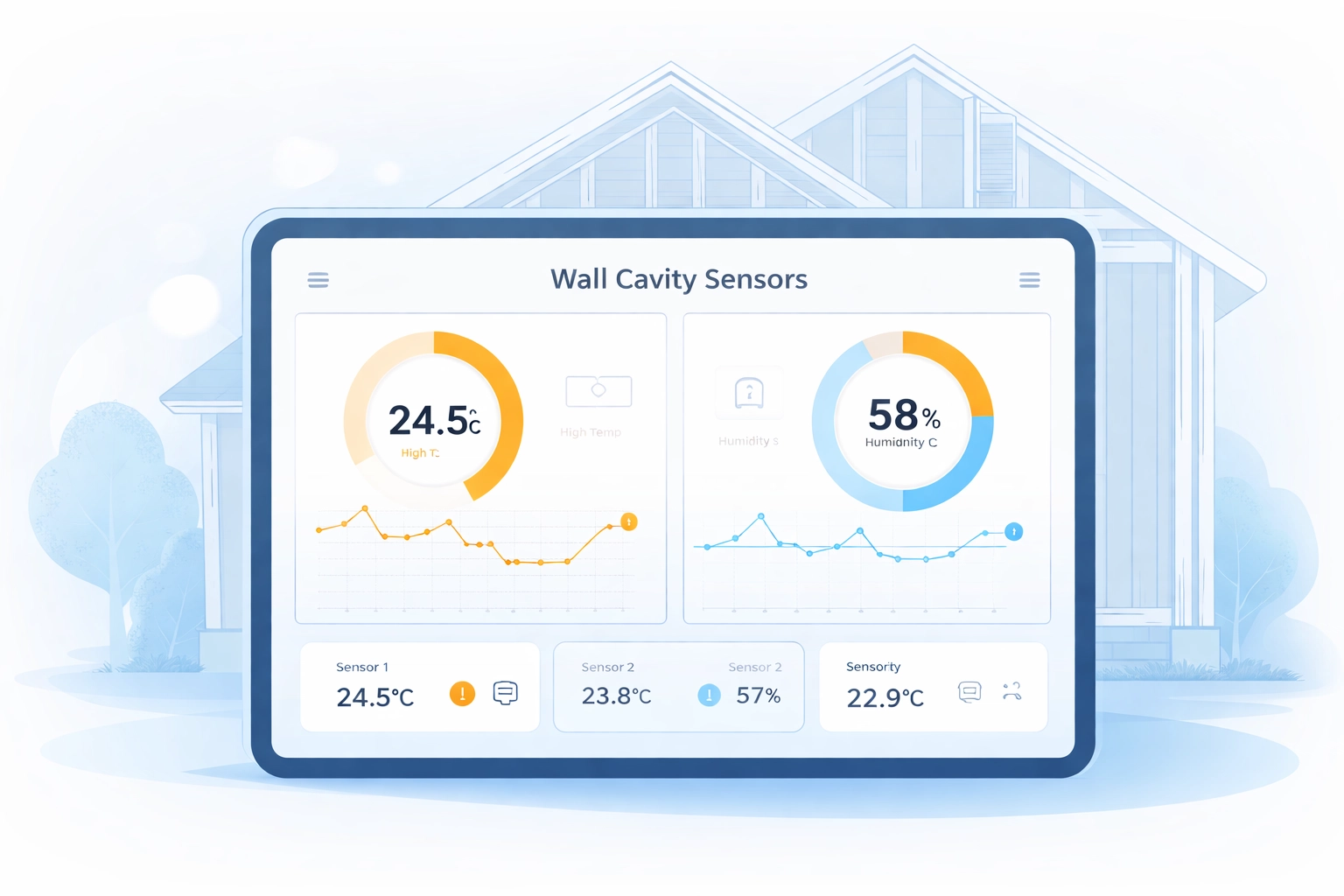
Energy monitoring systems can track temperature and humidity inside wall cavities. This helps you:
- Maintain optimal conditions year-round
- Spot potential problems early
- Take proactive action before damage occurs
Some insulation systems now include integrated sensors. These provide real-time data on wall cavity conditions.
For timber frame homes where moisture is critical, this technology offers genuine peace of mind.
Emerging Materials Worth Watching
The insulation industry continues innovating. Two advanced materials are gaining traction.
Vacuum Insulated Panels (VIPs)
VIPs offer ultra-low thermal conductivity. They enable extremely thin wall assemblies without sacrificing performance.
Currently expensive, they're mainly used where space is at a premium. Prices are expected to fall as adoption increases.
Aerogel Blankets
Aerogel provides exceptional insulation in minimal thickness. It's particularly useful for retrofitting timber frames where adding depth isn't practical.
Both technologies suit specific situations rather than general use. But they're options worth knowing about.
Choosing the Right Installer
Timber frame insulation isn't a DIY job. The margin for error is too small.
Look for installers who:
- Have specific timber frame experience
- Understand moisture dynamics in timber construction
- Use thermal imaging to verify their work
- Can explain the complete wall system, not just the insulation
- Offer guarantees backed by proper certification
Ask for examples of previous timber frame projects. Request references you can actually contact.
What This Means for Your Home
Insulating a timber frame home in 2026 requires more thought than traditional construction. But the payoff is worth it.
Get it right, and you benefit from:
- Lower energy bills through excellent thermal performance
- A comfortable, consistent indoor temperature
- Protected timber structure with proper moisture management
- Compliance with current and future energy standards
- Better resale value and EPC ratings
Get it wrong, and you risk:
- Moisture damage and rotting timbers
- Poor thermal performance despite spending money
- Failed EPC assessments
- Potential mortgage issues at resale
The difference comes down to understanding timber frame principles and choosing appropriate materials.
Final Thoughts
Timber frame homes offer excellent energy efficiency potential. But they demand insulation systems that respect their unique characteristics.
In 2026, the combination of stricter standards and better materials means you can achieve outstanding performance. The key is working with specialists who understand both the opportunities and the risks.
Need advice on insulating your timber frame property? Get in touch for expert guidance tailored to your home.