Buying or selling a home in 2026? Your loft insulation matters more than ever.
Mortgage surveyors have become increasingly strict about what they find in UK lofts. The wrong type of insulation can delay your sale. It can even stop a mortgage approval entirely.
This shift has caught many homeowners off guard. What was once a minor checkbox on a survey report now carries serious weight.
Let's break down exactly why this is happening. And what you can do about it.
Why Surveyors Are Getting Stricter in 2026
Mortgage lenders take on significant risk when financing a property. They need confidence that the home will hold its value.
Insulation standards directly affect this confidence.
Poor or non-compliant insulation raises red flags. It suggests potential hidden problems. Damp, rot, condensation, and structural damage all become concerns.
Surveyors now scrutinise loft spaces more carefully than ever before. They're looking for:
- Evidence of proper installation
- Compliance with current Building Regulations
- Signs of moisture or condensation damage
- Visibility of roof timbers for assessment
If they can't verify the roof's condition, they can't give the lender a clear picture. And lenders don't like uncertainty.
The Spray Foam Problem
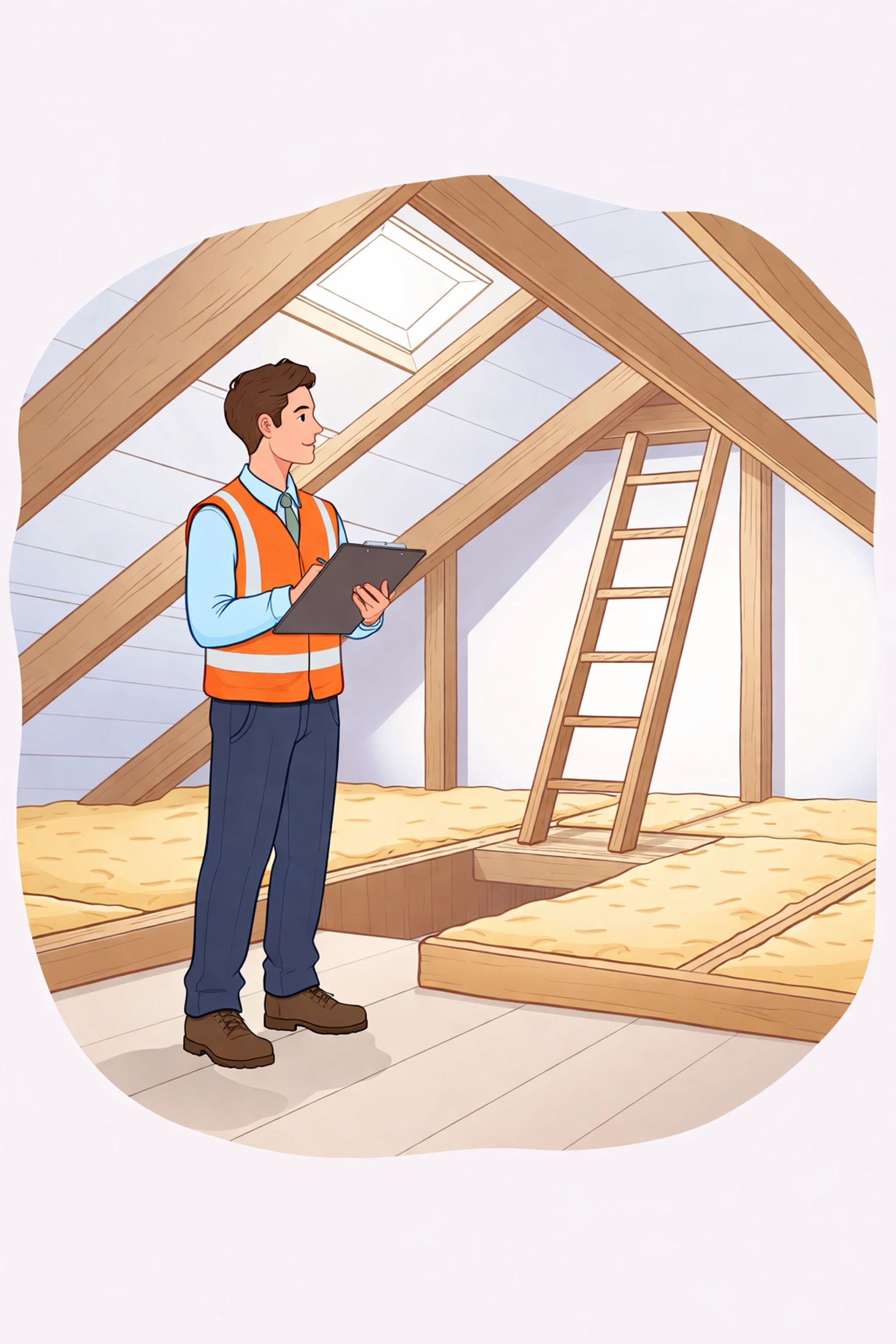
No insulation type has caused more mortgage headaches than spray foam.
Mortgage refusals linked to spray foam have increased by over 60% in the last five years. Around a quarter of the UK's biggest mortgage providers now refuse to lend on homes with spray foam in the roof.
The reason is simple. Spray foam obscures the roof structure beneath it.
When a surveyor finds spray foam insulation, they can't:
- See the condition of roof timbers
- Check for rot or decay
- Assess whether repairs are needed
- Confirm the installation met Building Regulations
Rather than investigate further, most lenders simply classify these properties as "too difficult." They refuse to lend unless the foam is removed.
Removal isn't cheap either. Costs typically range from £15,000 to £25,000. That's before any necessary roof repairs.
Over 80% of major lenders have now issued warnings or restrictions on mortgages involving spray foam. If you're buying or selling a property with spray foam insulation, expect complications.
For more details on this specific issue, read our guide on why mortgage lenders reject spray foam insulation.
What Surveyors Look For in Loft Insulation
Understanding what surveyors check helps you prepare. Here's what they assess during a mortgage valuation.
1. Visibility of Roof Structure
Surveyors need to see the roof timbers. They're checking for signs of rot, woodworm, or structural movement.
Any insulation that blocks this view creates problems. This includes spray foam and poorly installed rigid boards.
2. Insulation Depth and Type
Current UK regulations recommend 270mm of mineral wool for loft floors. Surveyors note whether the insulation meets this standard.
They also identify the insulation type. Mineral wool, multifoil, and sheep's wool rarely cause issues. Spray foam almost always does.
3. Signs of Condensation or Damp
Condensation in lofts leads to timber rot. Surveyors look for:
- Water staining on timbers
- Mould growth
- Damp patches on insulation
- Rust on metal fixings
Poor ventilation combined with certain insulation types increases these risks.
4. Installation Quality
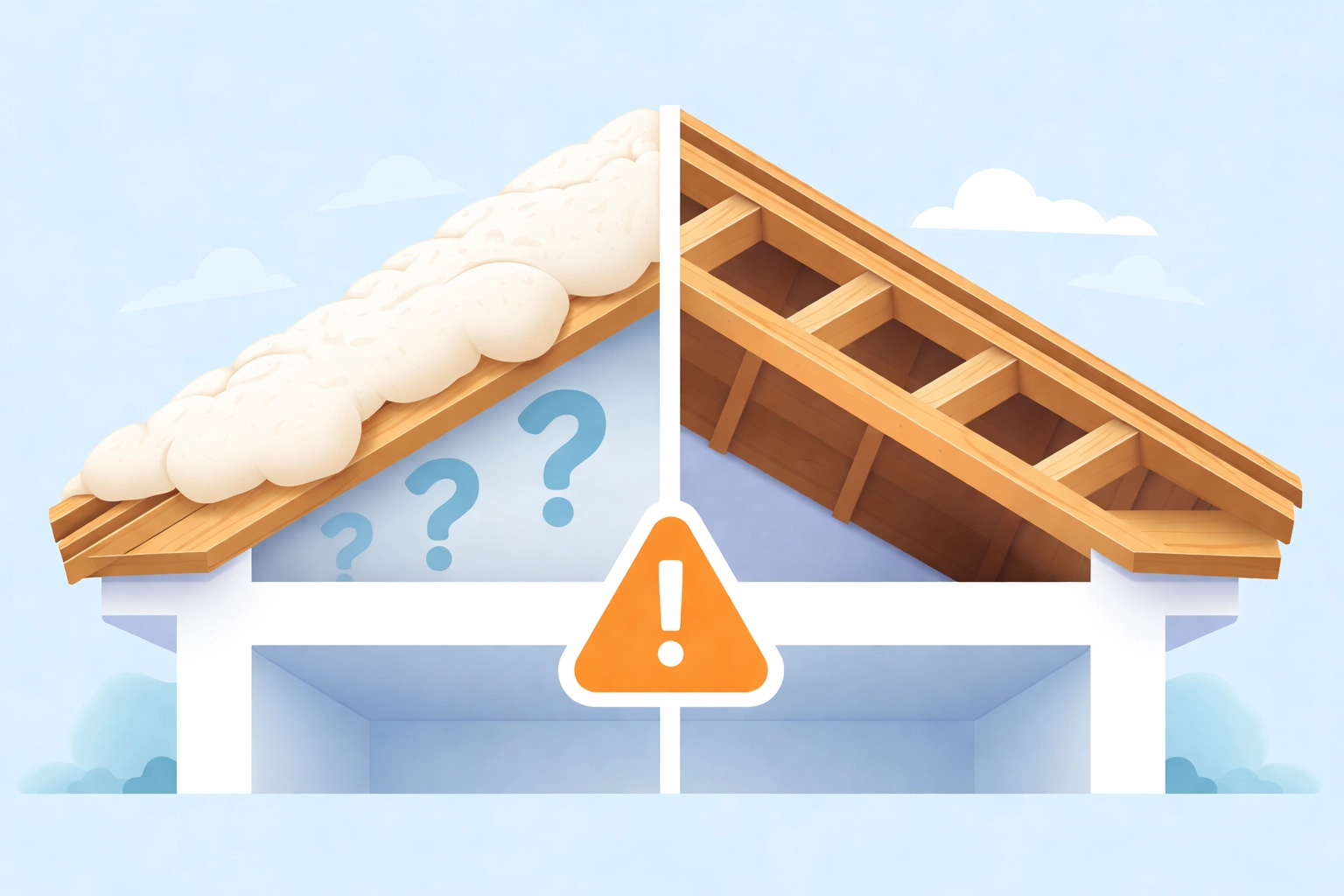
A DIY insulation job with gaps and compression won't impress anyone. Surveyors note whether the installation looks professional.
Proper coverage matters. Gaps reduce effectiveness and suggest potential thermal bridging.
5. Compliance Documentation
Some surveyors ask for proof of Building Regulations compliance. This is especially true for more complex installations like rigid board or multifoil systems.
Having documentation ready speeds up the process.
How Insulation Affects Your Mortgage Approval
The surveyor's report goes directly to your mortgage lender. Their findings influence the lender's decision in several ways.
Outright Refusal
If the surveyor identifies spray foam or significant concerns, the lender may refuse the mortgage entirely. This happens more often than you'd think.
The property becomes "unmortgageable" until the issue is resolved.
Retention Until Work is Completed
Sometimes lenders approve the mortgage but hold back funds. They release the retained amount only after remedial work is done.
This can mean thousands of pounds tied up until you remove problematic insulation.
Down-Valuation
Insulation issues can lead to a lower property valuation. The lender may offer less than you expected.
This creates a gap between the purchase price and available finance. You'll need to make up the difference.
Higher Interest Rates
Some lenders view properties with insulation concerns as higher risk. They may offer less favourable terms.
You could end up paying more over the life of your mortgage.

Which Lenders Are Most Strict?
Not all lenders take the same approach. Here's the current landscape in 2026.
Most Restrictive:
- Equity release providers (almost universally refuse spray foam properties)
- Smaller building societies
- Some specialist lenders
Case-by-Case Assessment:
- HSBC
- Barclays
- Lloyds
- Santander
- NatWest
These major lenders may approve spray foam properties if:
- A qualified installer completed the work
- Proper certification exists
- The installation comes with a warranty
- An independent survey confirms no structural issues
However, getting approval takes longer. It requires more documentation. And there's no guarantee.
Most Flexible:
- Lenders dealing with traditional mineral wool insulation
- Properties with clearly visible roof structures
- Homes with proper documentation
The safest approach? Choose insulation that won't cause problems in the first place.
How to Ensure Your Insulation Passes Inspection
Whether you're preparing to sell or simply want peace of mind, follow these steps.
1. Avoid Spray Foam
If you're considering new insulation, steer clear of spray foam. The mortgage complications simply aren't worth it.
Mineral wool and multifoil insulation both work brilliantly. Neither causes survey issues.
2. Keep Roof Timbers Visible
Whatever insulation you choose, ensure surveyors can still inspect key structural elements. This means keeping the loft floor accessible and not covering rafters entirely.
3. Maintain Proper Ventilation
Good airflow prevents condensation. Make sure soffit vents remain clear. Don't block air pathways with insulation.
4. Use Professional Installers
DIY installations often create problems during surveys. Professional fitting demonstrates quality and compliance.
Reputable installers provide documentation. This proves invaluable during mortgage applications.

5. Address Existing Issues Before Listing
Selling a property? Check your loft before going to market.
If you have spray foam, consider removal. The cost hurts, but it's better than a collapsed sale.
If you have inadequate insulation, top it up. Meeting the 270mm standard shows buyers the property is well-maintained.
6. Gather Documentation
Collect any paperwork related to your insulation:
- Installation certificates
- Building Regulations sign-off
- Warranty documents
- Receipts from qualified contractors
Having these ready smooths the survey process considerably.
What If You Already Have Problem Insulation?
Don't panic. Options exist.
For spray foam, specialist removal companies can help. Yes, it's expensive. But it restores your property's mortgageability.
For inadequate insulation, top-ups are straightforward. Adding mineral wool to existing insulation brings you up to standard quickly.
For condensation issues, improving ventilation often solves the problem. A professional assessment identifies the best approach.
The key is addressing issues before they derail a sale or purchase.
Final Thoughts
Loft insulation now plays a significant role in mortgage approvals. Surveyors are stricter because lenders demand certainty.
The right insulation protects your home and your investment. It keeps you warm, reduces bills, and ensures your property remains mortgageable.
Spray foam has become toxic in the mortgage market. Avoid it. Choose surveyor-friendly options like mineral wool or multifoil instead.
If you're unsure about your current insulation, get it checked. A small investment now prevents major headaches later.
Ready to ensure your loft insulation meets current standards? Get a quote from ComfySeal today.