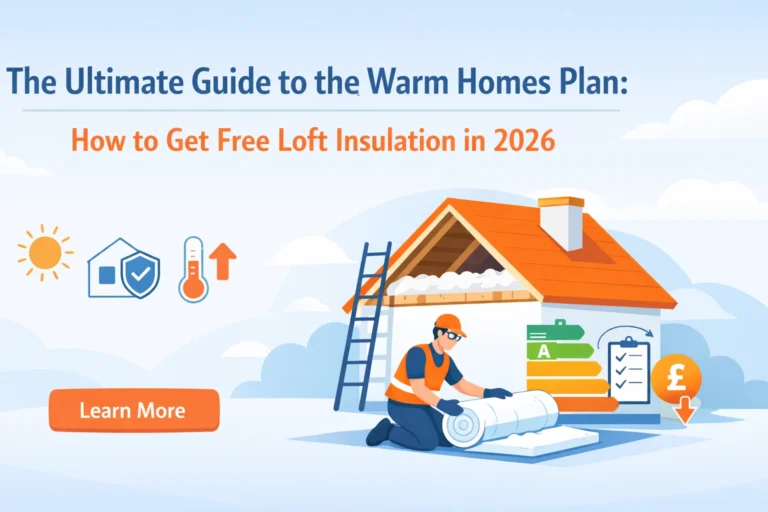
Your rental property is leaking money through the roof. Literally.
Poor loft insulation costs landlords thousands each year. It drives up energy bills, reduces tenant satisfaction, and tanks your EPC rating. In 2026, that's a problem you can't ignore.
The good news? A smart insulation upgrade pays for itself. Often faster than you'd expect.
This guide breaks down exactly how loft insulation boosts your rental yield. We'll cover the numbers, the regulations, and the strategies that put more money in your pocket.
The 2026 EPC Deadline is Coming
If you rent out property in England and Wales, you need to pay attention.
The government is pushing forward with minimum EPC requirements for rental properties. The target? All tenancies must meet an EPC rating of C or above by 2028. But smart landlords are acting now.
Why wait until 2028? Properties with poor ratings are already harder to let. Energy-conscious tenants check EPC certificates before signing. A D or E rating is a red flag.
Loft insulation is the single most cost-effective way to boost your EPC rating. It can jump you from a D to a C in one upgrade. Sometimes even higher.

The Financial Case for Loft Insulation
Let's talk numbers. That's what matters to investors.
1. Slash Energy Bills by 20-30%
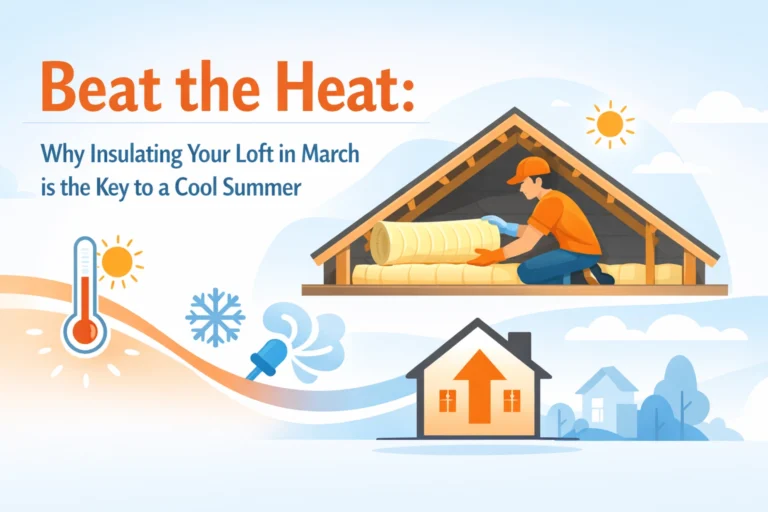
Heat rises. In a poorly insulated property, it escapes straight through the roof.
Proper loft insulation keeps that warmth inside. According to energy efficiency data, this reduces heating costs by 20% to 30%. For your tenants, that's a significant saving. For you, it's a selling point that commands higher rent.
2. Reduce Maintenance Costs
Cold lofts create problems. Condensation builds up. Pipes freeze. Damp spreads.
These issues lead to expensive repairs. Mould remediation, burst pipe damage, structural rot. None of it is cheap.
Good insulation regulates temperature. It keeps your loft dry and your maintenance bills low.
3. Extend HVAC System Lifespan
Boilers work harder in poorly insulated homes. They cycle more frequently. They wear out faster.
An efficient envelope means your heating system runs smoothly. Fewer breakdowns. Longer lifespan. Less capital expenditure for you.
4. Command Premium Rent
Here's where it gets interesting.
Energy-efficient properties attract better tenants. People willing to pay more for lower bills and consistent comfort. They're also more likely to stay long-term.
A property with an EPC rating of C or above can justify £25-50 more per month in rent. That's £300-600 extra per year. Per property.
ROI: What Does the Investment Look Like?
Let's run a realistic scenario.
A professional loft insulation upgrade costs around £500-1,500 for a typical rental property. The exact price depends on size, access, and insulation type.
Here's the return:
- Annual energy savings: £200-400 (passed to tenant, but increases rental appeal)
- Potential rent increase: £300-600 per year
- Avoided maintenance: £100-200 per year
- EPC improvement: Typically 5-15 points
Total annual benefit: £400-800
That means your insulation upgrade pays for itself in 1-3 years. Everything after that is pure profit.
For portfolio landlords, these numbers multiply. Ten properties? That's £4,000-8,000 in additional annual yield.

Available Grants and Schemes in 2026
You might not have to pay full price.
The Great British Insulation Scheme (GBIS)
This government-backed programme offers free or heavily subsidised loft insulation for eligible properties.
To qualify, your property typically needs:
- An EPC rating of D, E, F, or G
- Council tax band A-D (England) or A-E (Scotland/Wales)
- Meeting specific criteria around the property type
Landlords can apply. It's not just for homeowners.
The scheme covers mineral wool top-ups and other approved insulation types. Worth checking before you invest your own capital.
Energy Company Obligation (ECO4)
Some energy suppliers offer funded insulation upgrades under ECO4. Eligibility varies, but rental properties in lower EPC bands often qualify.
Contact your energy provider or speak to a certified installer like ComfySeal to check your options.
Choosing the Right Insulation for Rental Properties
Not all insulation is equal. For landlords, certain types make more sense than others.
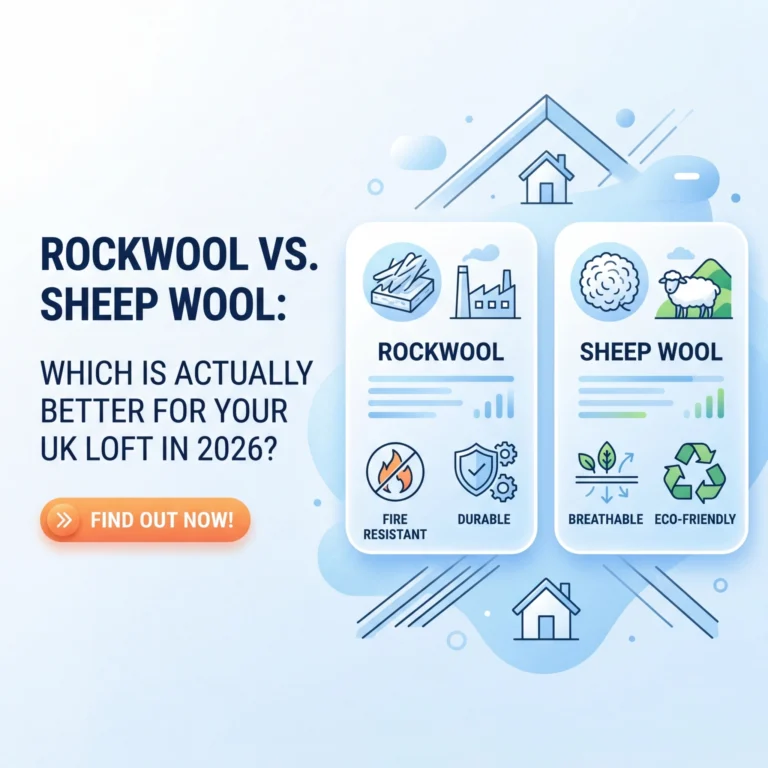
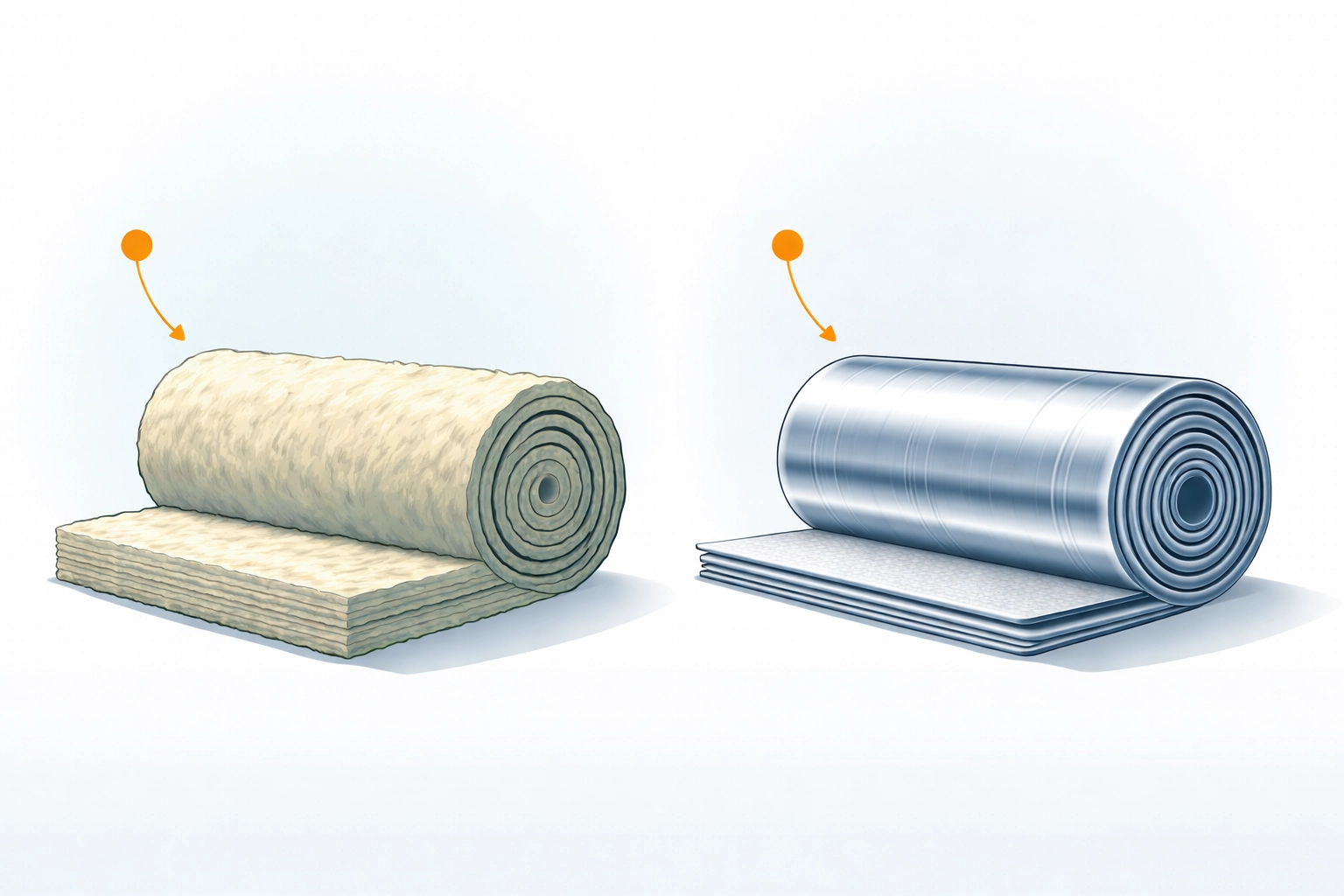
Mineral Wool (Rockwool)
The classic choice. Affordable, effective, and easy to install.
Best for: Properties where the loft isn't used for storage. Achieves the 270mm depth required by Part L regulations.
Learn more about Rockwool insulation
Multifoil Insulation
Thin, reflective, and space-saving. Perfect when you need performance without bulk.
Best for: Loft conversions, properties with limited headroom, or when tenants use the loft for storage.
What to Avoid
Spray foam insulation is increasingly problematic. Mortgage lenders are rejecting properties with certain spray foam applications. This creates issues when you try to sell or remortgage.
If you're buying a property with spray foam, get it surveyed. If you're installing insulation, stick to approved materials that won't affect future transactions.
The Tenant Retention Factor
Vacancy costs eat into yield faster than almost anything else.
Every month your property sits empty, you lose rent. You still pay the mortgage, insurance, and potentially council tax. It adds up fast.
Happy tenants stay longer. And nothing makes tenants happier than a warm, comfortable home with reasonable energy bills.
Proper loft insulation delivers:
- Consistent temperatures throughout the property
- Lower heating costs during winter months
- Reduced condensation and damp issues
- A healthier living environment overall
These factors directly impact tenant satisfaction. Satisfied tenants renew leases. That's fewer voids, less turnover cost, and steadier cash flow.
Portfolio Strategy: Prioritise Your Worst Performers
If you own multiple properties, be strategic.
Start with your lowest EPC-rated properties. These offer the biggest gains from insulation upgrades. They're also most at risk from future regulations.
Create a simple audit:
- List all properties by current EPC rating
- Identify those rated D or below
- Get quotes for loft insulation upgrades
- Calculate potential rent increases and savings
- Prioritise based on ROI
This systematic approach maximises your investment impact. It also ensures you're ahead of regulatory deadlines.

Working with Professional Installers
DIY insulation might seem tempting. Don't do it.
Professional installation ensures:
- Correct depth and coverage for Part L compliance
- Proper ventilation to prevent condensation issues
- No compression of existing insulation
- Documentation for EPC assessments and grant claims
A certified installer also provides guarantees. If something goes wrong, you're covered.
At ComfySeal, we work with landlords across the UK. We understand the specific requirements for rental properties and can advise on the most cost-effective solutions for your portfolio.
Get a quote for your rental property
Final Thoughts
Loft insulation isn't glamorous. It won't make your property listing photos pop.
But it will make your numbers work harder.
In 2026, smart property investors are treating insulation as essential infrastructure. It reduces costs, increases rental income, satisfies regulations, and keeps tenants happy.
The maths is simple. A one-time investment delivers returns for decades.
Your properties are either working for you or against you. Make sure the loft is on your side.