Hiring professional loft insulation installers is one of the smartest investments you can make for your home. But here's the thing. Not all installers are created equal.
The difference between a quality loft insulation installation and a botched job often comes down to what happens before the work begins. Asking the right questions upfront protects your home, your wallet, and your peace of mind.
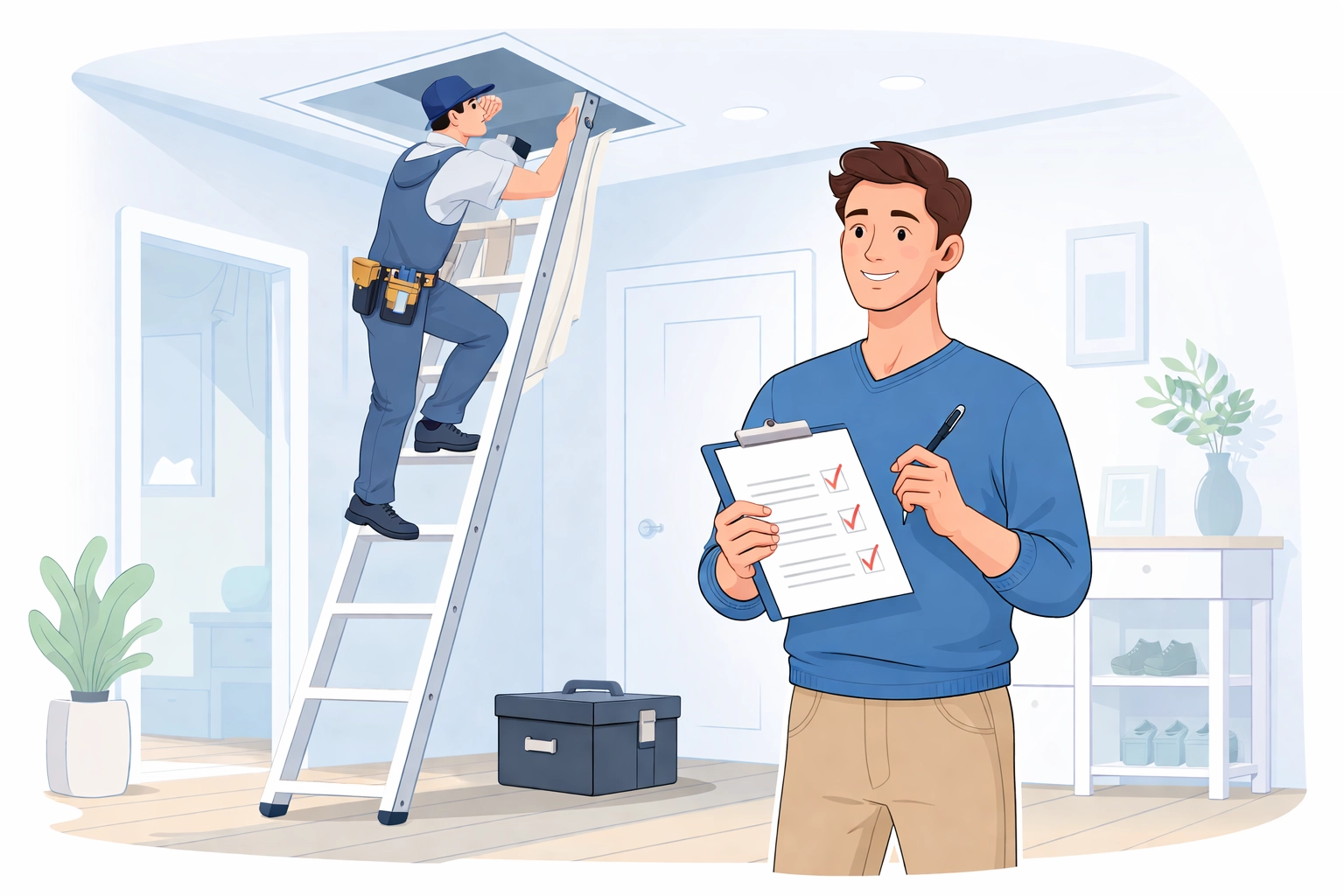
This checklist covers everything you need to ask before any installer sets foot in your loft. Print it out. Save it to your phone. Use it every time.
Why Asking Questions Matters More Than Ever in 2026
The insulation industry has evolved rapidly. New materials, stricter Part L regulations, and growing awareness of poor practices mean homeowners need to be more informed than ever.
A good installer will welcome your questions. They'll appreciate that you've done your homework.
A dodgy one? They'll dodge, deflect, or get defensive.
Your questions are a screening tool. Use them wisely.
Questions About Credentials and Safety Training
"What qualifications and certifications does your team hold?"
Professional loft insulation installers should have proper accreditation. Look for memberships with recognised bodies like the National Insulation Association (NIA) or TrustMark registration.
Ask for proof. Legitimate companies are happy to show their credentials.
"What safety training have your installers completed?"
Loft work involves confined spaces, electrical hazards, and potentially harmful materials. Your installer should confirm their team has completed:
- Working at height training
- Asbestos awareness certification
- Manual handling qualifications
- PPE compliance training
If they can't answer this clearly, that's your first red flag.
"What personal protective equipment (PPE) will your team use?"
Proper PPE isn't optional. It's essential for both the installers and the quality of your installation.
Expect to hear about dust masks, safety goggles, protective gloves, and appropriate footwear. For spray foam applications, respiratory protection becomes even more critical.
"Do I need to take any precautions during the installation?"
Some materials create dust or temporary odours. A responsible installer will advise whether you should:
- Open windows for ventilation
- Keep children and pets in another room
- Cover any items stored near the work area
This question tells you a lot about how much they care about your household's wellbeing.
Questions About Materials and Specifications

"What insulation material are you recommending, and why?"
There's no one-size-fits-all answer here. The right material depends on your loft type, your budget, and your goals.
Good installers explain their reasoning. They'll discuss options like mineral wool, multifoil, or rigid board insulation and help you understand the trade-offs.
"What thickness and R-value will you install?"
R-value measures thermal resistance. Higher numbers mean better insulation performance.
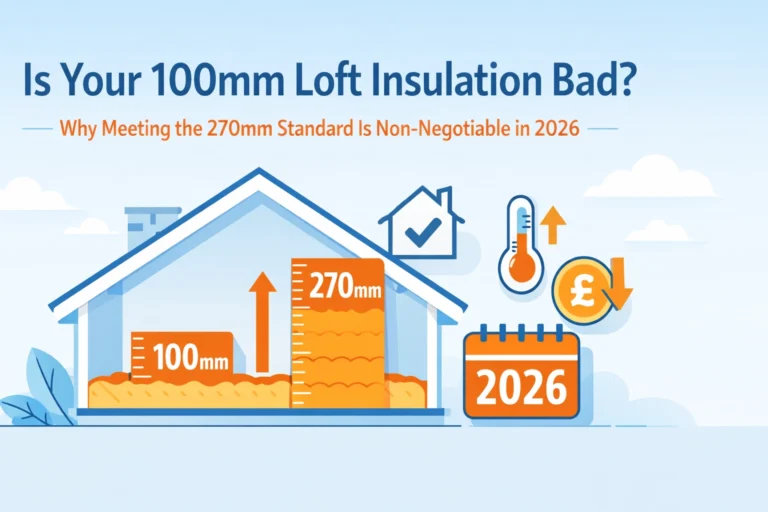
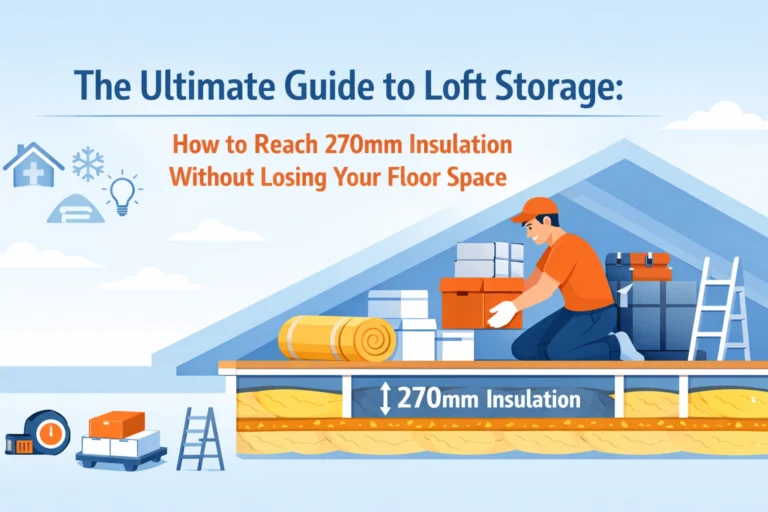
In 2026, most loft insulation installations should achieve at least 270mm of mineral wool or equivalent to meet current building regulations. Ask your installer to confirm the exact specifications in writing.
"Are you following the manufacturer's installation guidelines?"
Every insulation product comes with specific installation requirements. Cutting corners here compromises performance and can void warranties.
A professional will confirm they've reviewed these guidelines and will follow them precisely.
"Can I see the product data sheets?"
This isn't being difficult. It's being smart.
Data sheets confirm the material's fire rating, thermal performance, and any safety considerations. Reputable professional loft insulation installers provide this information without hesitation.
Questions About Project Planning
"How long will the installation take?"
Most standard loft insulation installations take one to two days. Complex projects might need longer.
Get a clear timeline upfront. This helps you plan around the work and spot any unrealistic promises.
"What's your end-of-day procedure?"
If the job spans multiple days, ask how they'll leave your loft each evening. Materials should be:
- Properly covered and protected
- Secured against weather damage
- Safe from fire hazards
This question reveals whether they take quality seriously or just rush to the next job.
"What areas need to be cleared before you arrive?"
Your installer should provide clear instructions about preparation. This typically includes:
- Moving stored items away from the working area
- Ensuring clear access to the loft hatch
- Confirming parking arrangements for their vehicle
Surprises on installation day waste everyone's time.
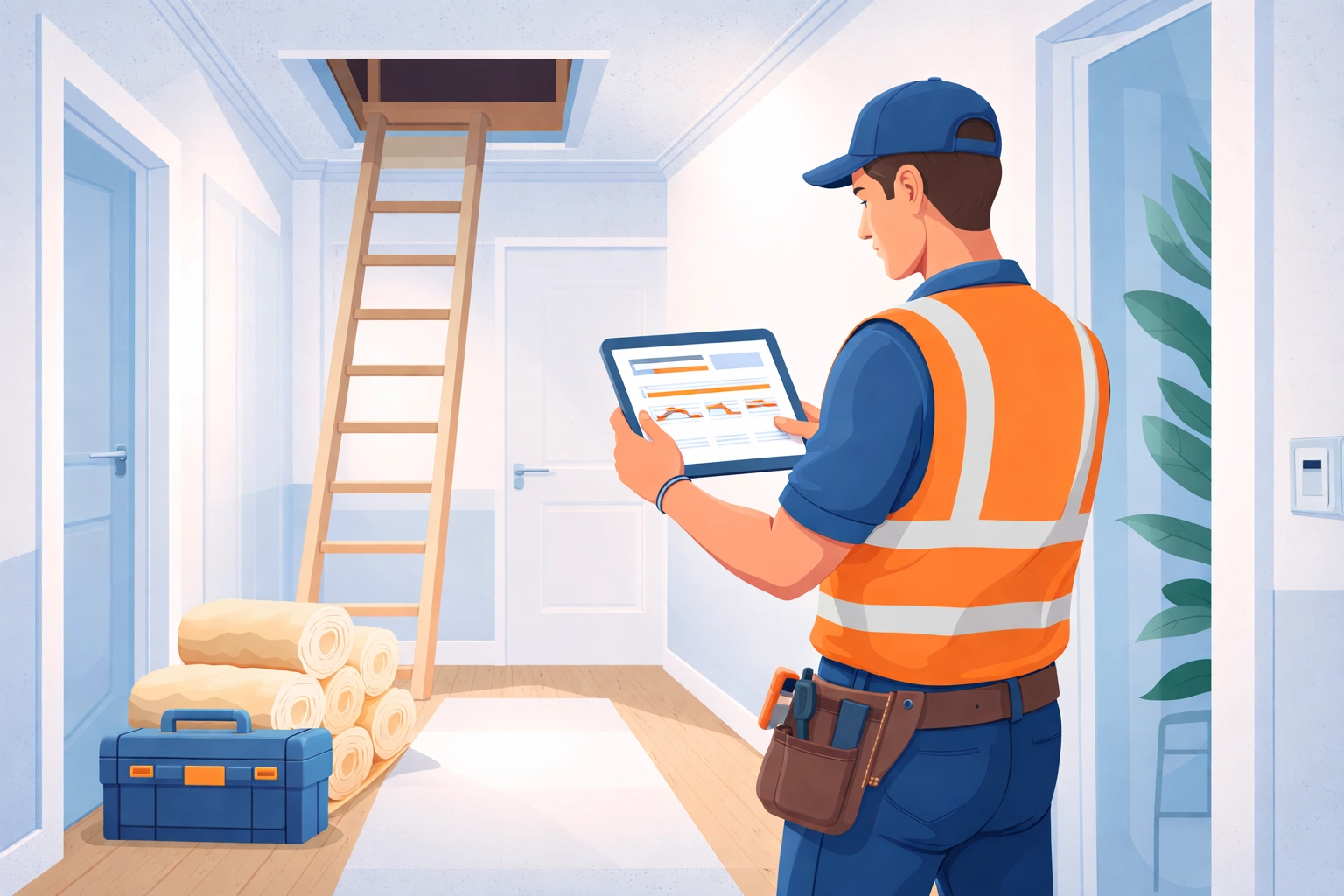
"What could delay the project?"
Weather, unexpected structural issues, or material availability can all cause delays. A transparent installer discusses these possibilities upfront rather than making excuses later.
Questions About Weather and Conditions
"What happens if the weather turns bad?"
Rain, extreme cold, or high humidity can affect certain insulation materials during installation. Your installer should have a contingency plan.
For spray foam products in particular, temperature and moisture levels matter significantly.
"Will you check for existing moisture problems before starting?"
Installing insulation over damp areas creates bigger problems down the line. A thorough pre-installation survey should identify any moisture issues that need addressing first.
If an installer doesn't mention this, ask directly. It's that important.
Questions About Quality and Inspection
"How do you ensure proper coverage and sealing?"
Gaps in insulation dramatically reduce effectiveness. Professional loft insulation installers use techniques like:
- Overlapping joints properly
- Sealing around pipes and cables
- Ensuring consistent depth throughout
Ask them to walk you through their quality control process.
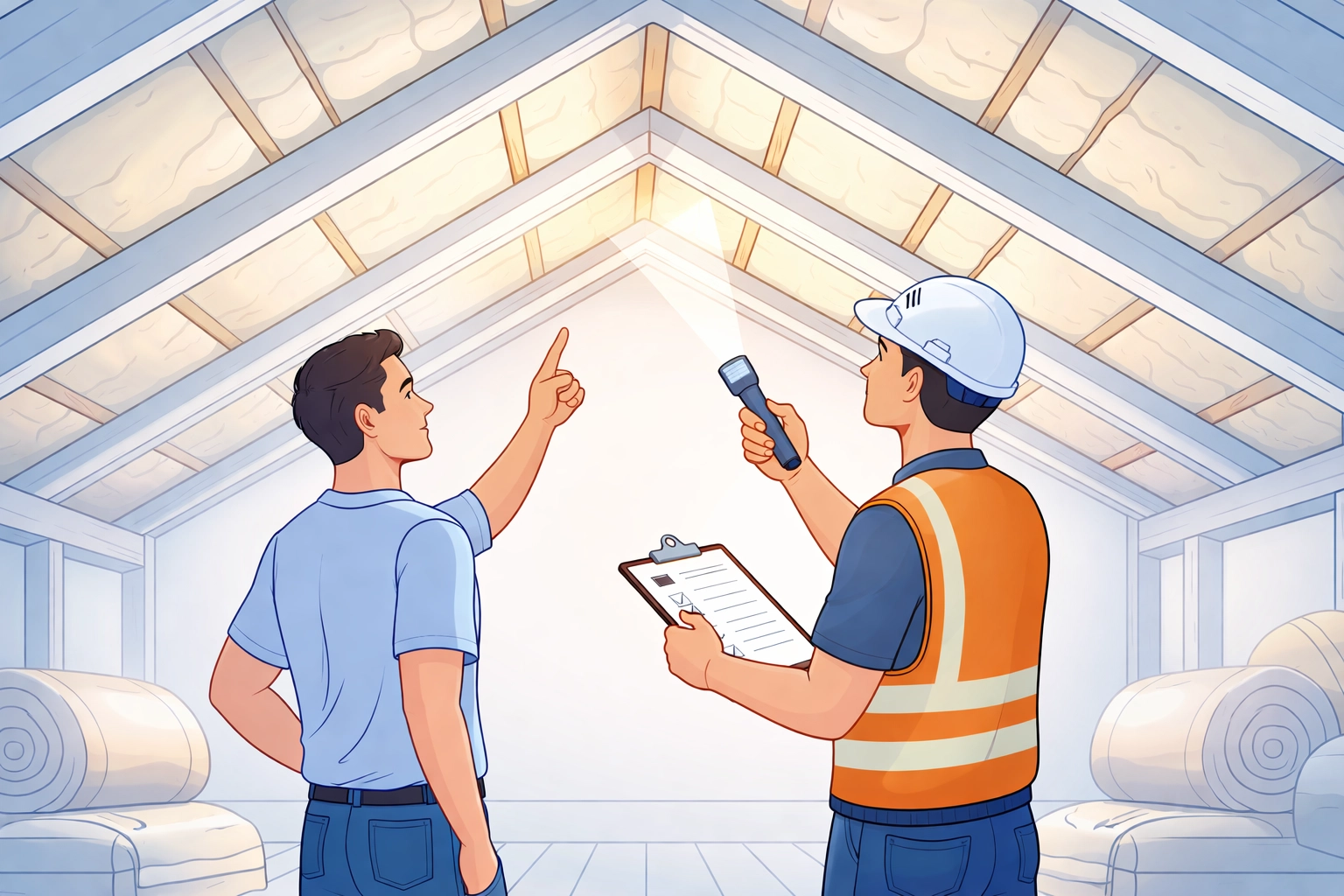
"Will we do a final walkthrough together?"
Never sign off on a job without inspecting it yourself. A good installer welcomes this. They'll point out what they've done and explain any areas that needed special attention.
If they seem reluctant, ask yourself why.
"What documentation will you provide after completion?"
You should receive:
- A completion certificate
- Material specifications and warranties
- Before and after photographs
- Building regulations compliance confirmation (if applicable)
This paperwork matters for future property sales, insurance claims, and EPC assessments.
Questions About Guarantees and Aftercare
"What guarantee do you offer on the installation?"
Workmanship guarantees typically range from 5 to 25 years depending on the installer and materials used. Get the terms in writing before work begins.
Understand what's covered and what's not. Ask about the claims process too.
"What happens if there's a problem after you've finished?"
Issues sometimes appear weeks or months later. Know who to contact and what response time to expect.
Companies that stand behind their work make this process straightforward.
Red Flags to Watch For
Sometimes the answers tell you everything you need to know. Be wary of installers who:
- Can't provide proof of insurance or qualifications
- Pressure you into immediate decisions
- Offer quotes significantly below market rate
- Won't provide written specifications
- Avoid discussing building regulations
- Have no online reviews or references
Trust your instincts. If something feels off, it probably is.
Final Thoughts
Asking questions doesn't make you difficult. It makes you a smart homeowner.
The best professional loft insulation installers appreciate informed customers. They know that transparency builds trust and leads to better outcomes for everyone.
Use this checklist before every loft insulation installation project. The few minutes spent asking questions could save you thousands in rectification costs later.
Ready to work with installers who welcome your questions? Book your free survey with ComfySeal Ltd and experience what professional service actually looks like.