TL;DR
Yes, the April 2026 energy price cap is expected to drop by around £100-£154 per year. But here's the catch: you're not actually saving money, green energy costs are just moving from your energy bill to general taxation. Usage rates remain sky-high, and a lower cap doesn't make your home any warmer. If you're still cranking the heating to stay comfortable, insulation is the only real solution. This post breaks down the numbers, debunks the "bills are dropping so I don't need insulation" myth, and shows why heat retention matters more than ever.
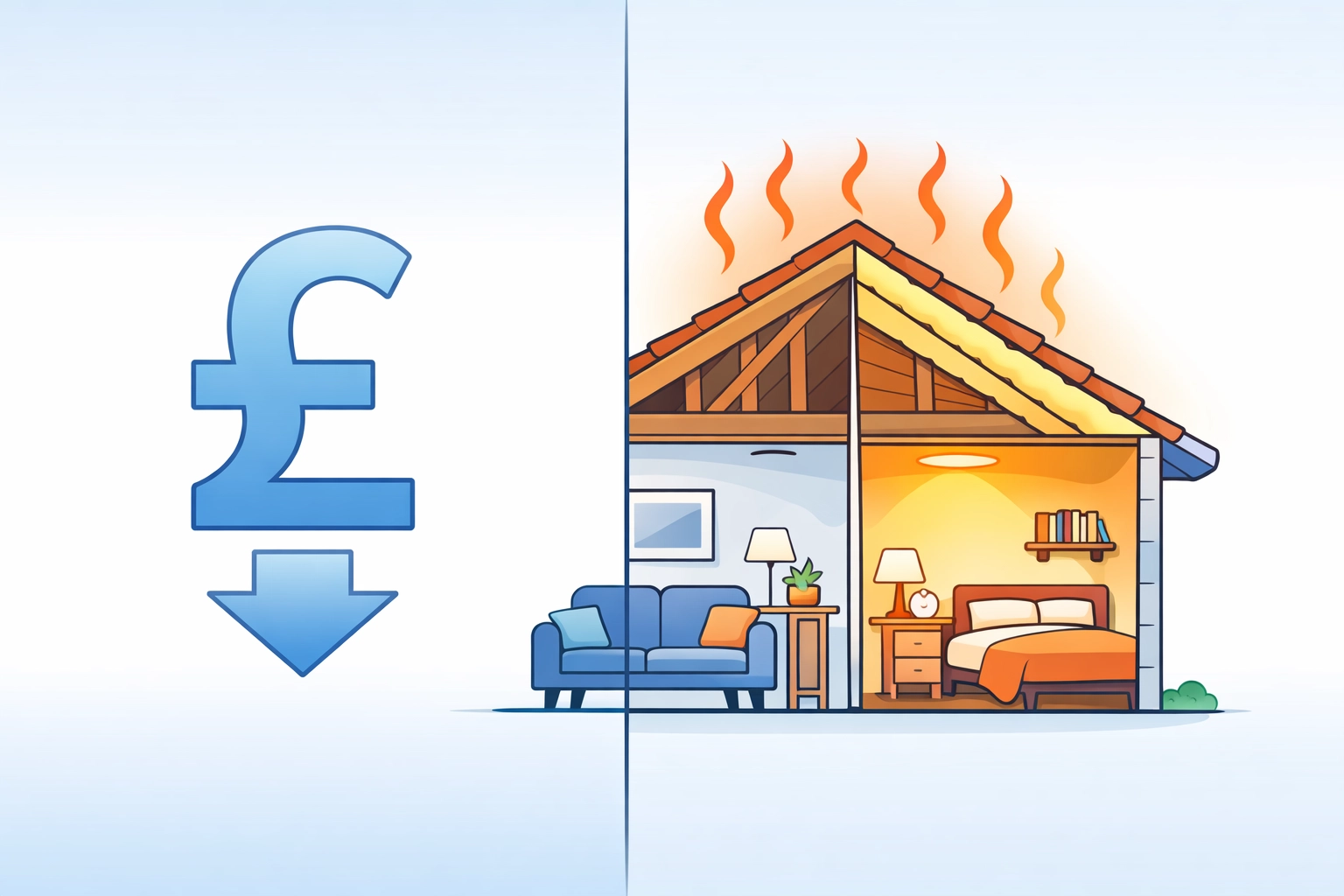
Will the April 2026 Price Cap Actually Drop?
Short answer: Yes, probably by about 6-8%.
Ofgem announces the official April 2026 price cap on February 25th, 2026. But energy analysts have already crunched the numbers:
- Cornwall Insight: £1,620/year (down £138 from January's £1,758)
- E.ON Next: £1,657/year (down £101)
- British Gas: £1,645/year
- MoneySavingExpert average: £1,652/year (6% decrease)
That's roughly £100-£154 off your annual bill if you're an average household using 2,700 kWh of electricity and 11,500 kWh of gas.
Sounds brilliant, right? Not so fast.
The Insulation Myth: Why Lower Bills Don't Mean You're Warm
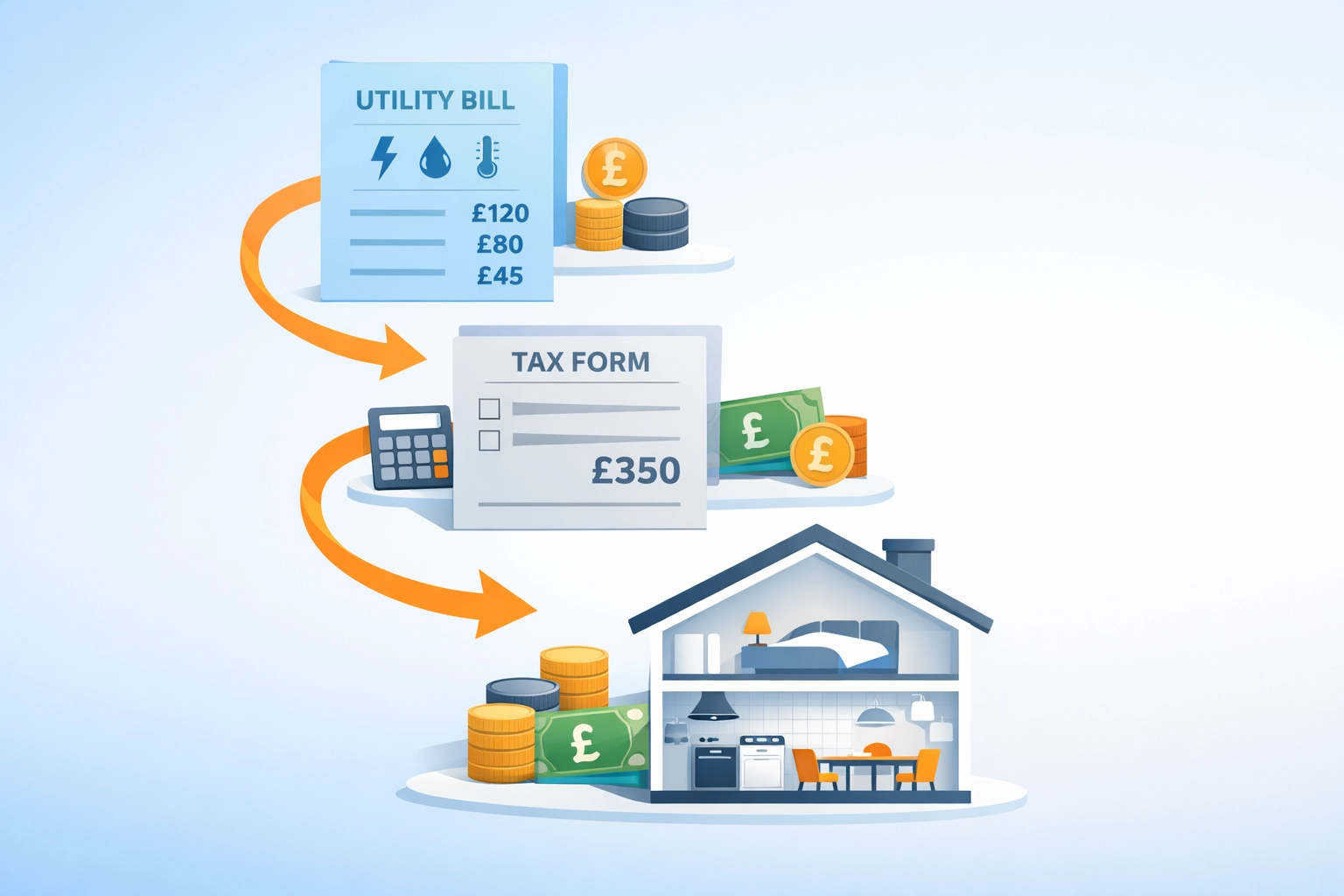
Here's what's actually happening. The government is moving 75% of the Renewables Obligation costs off your energy bill and into general taxation.
Translation: You're still paying for it. It's just coming out of your taxes instead of your direct debit.
Cornwall Insight said it best: "Costs aren't vanishing, they're shifting."
So while your energy bill looks smaller, your tax contribution goes up. The money hasn't disappeared: it's just moved columns on the national balance sheet.
What About Usage Costs?
This is the real kicker. The price cap dropped. The unit rate (the amount you pay per kWh) is still roughly triple what it was in 2020.
If your home loses heat through the roof, you're still burning through kilowatt-hours. A slightly lower cap doesn't fix a draughty loft or a freezing bedroom at 6 a.m.
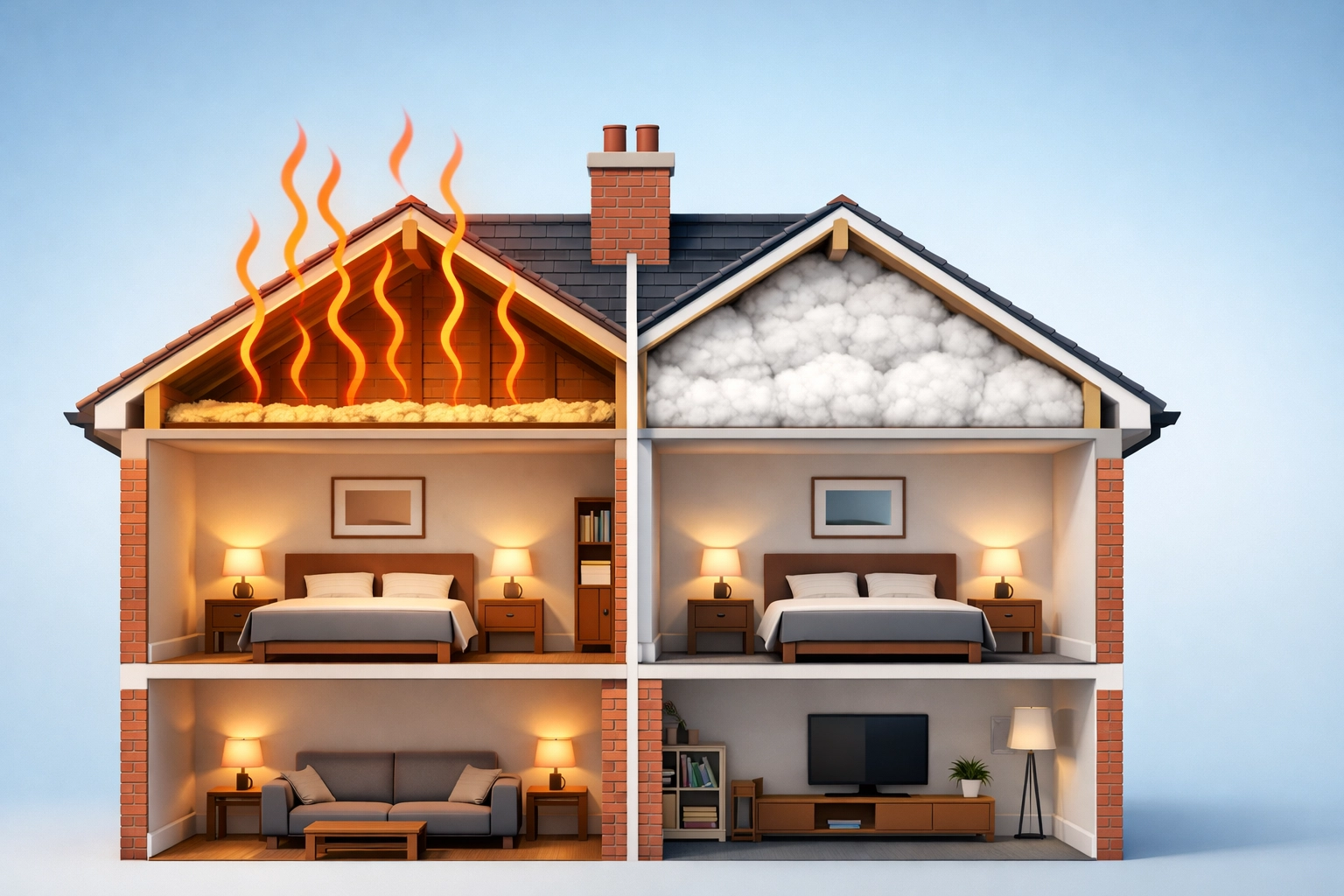
Price Cap vs. Real Comfort: The Truth Table
Let's compare two identical 3-bed semi-detached homes in Manchester. Same size, same heating habits, same thermostat setting. One has 270mm of modern loft insulation. The other has 50mm from 1985.
| Factor | Home A (Old Insulation) | Home B (270mm Rockwool) |
|---|---|---|
| April 2026 Price Cap | £1,652/year | £1,652/year |
| Actual Gas Usage (kWh) | 14,500 kWh | 9,200 kWh |
| Estimated Annual Bill | £1,850+ | £1,150 |
| Comfort at 20°C | Radiators on constantly | Heating cycles naturally |
| Bedroom Temperature (Morning) | 14-16°C (freezing) | 18-19°C (comfortable) |
| Heat Retention | Loses 25% through roof | Minimal roof heat loss |
The difference? Home B saves £700/year despite having the same price cap. More importantly, it's actually warm without the heating blasting 24/7.
That's the bit the headlines miss. A lower cap doesn't stop heat escaping. It just makes each wasted kilowatt marginally cheaper.
What's Really Happening to Your Money?
The April 2026 drop is driven by three things:
1. Policy Shifts (The Big One)
Green levies: the costs of funding renewable energy subsidies: are moving to general taxation. This accounts for most of the £100-£150 drop.
You're paying the same amount nationally. It's just hidden in your tax code instead of itemised on your bill.
2. Wholesale Energy Prices Softening
Increased US LNG supply and a milder-than-expected winter in Europe mean wholesale gas prices dropped slightly. But they're still 300% higher than pre-2021 levels.
3. Lower Transmission Charges
National Grid maintenance costs (TNUoS charges) came in lower than expected. This saves about £10-£20 per household.
None of this changes the fact that usage costs remain historically high. If you use 15,000 kWh of gas, you're paying more in 2026 than you would have in 2019: price cap or not.
Why Insulation Still Matters (Even With Lower Bills)
Here's where we cut through the noise. The April 2026 price cap drop is real. But it doesn't solve the fundamental problem: your home is leaking heat.
The "Comfort" Argument
Let's talk about what actually happens in an uninsulated home during February half-term:
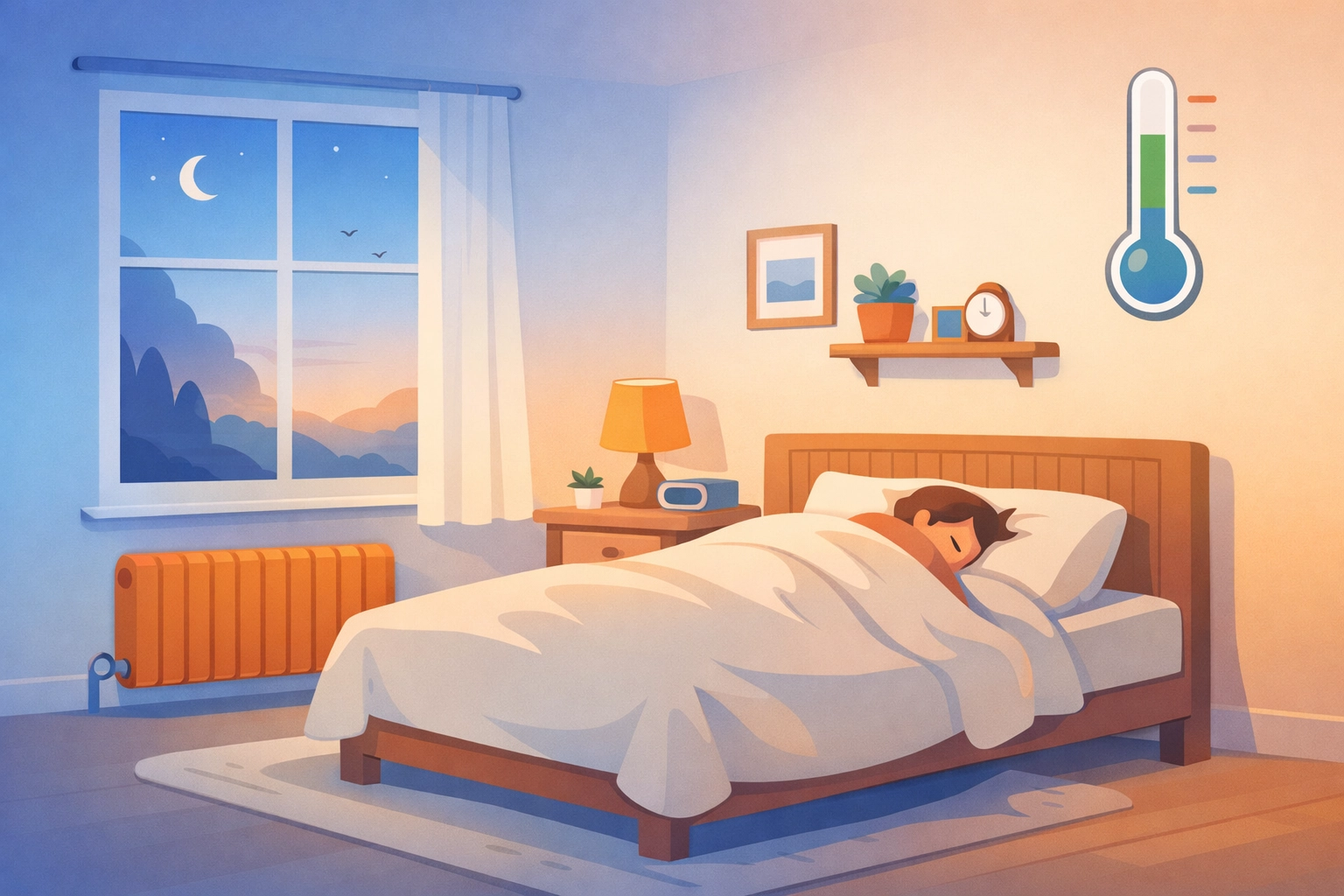
- You wake up at 7 a.m. The bedroom is 14°C.
- You crank the heating. It takes 45 minutes to feel warm.
- By 10 a.m., the living room is toasty. But the heat is already escaping through the loft.
- The boiler fires up again at 2 p.m. Then 5 p.m. Then 8 p.m.
You're not living comfortably. You're chasing warmth.
Now compare that to a home with proper loft insulation:
- Morning temperature: 18°C (no heating overnight).
- Heating kicks in at 7 a.m., room reaches 20°C by 7:20 a.m.
- Heat retention keeps it comfortable until evening.
- Boiler cycles naturally, not constantly.
That's the difference between a £1,850 bill and a £1,150 bill. But more importantly, it's the difference between being cold and being comfortable.
The Long-Term View
Energy analysts predict the price cap will stay volatile for the next 3-5 years. Even if it drops to £1,600 in April 2026, it could spike back to £1,800+ in October 2026 if wholesale gas prices rise.
Insulation is the only variable you control. Once it's installed, you're insulated (literally) from future cap increases.
How ComfySeal Makes It Easy
We install high-performance loft insulation designed to stop heat loss through the roof: the single biggest thermal weak point in UK homes.
What We Offer
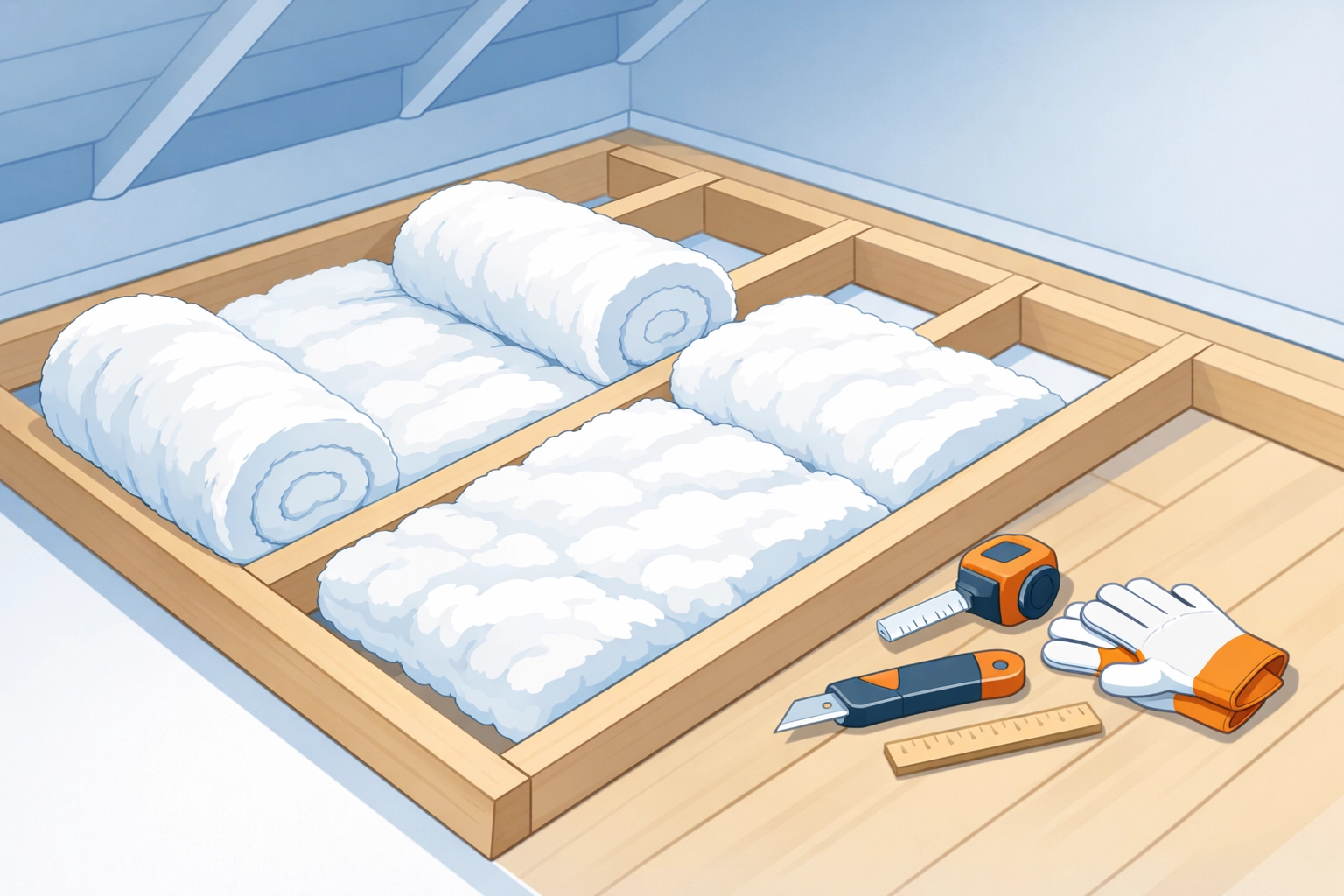
270mm Rockwool: The gold standard for UK lofts. Non-combustible (A1 fire-rated), breathable, and built to last 40+ years. Meets and exceeds Part L Building Regulations.
Multifoil Insulation: Perfect for low-headroom lofts where space is tight. Reflects radiant heat back into your home. Ideal for boarded lofts or conversions.
Minimal Disruption: Most installations take 4-6 hours. We work cleanly, protect your belongings, and leave your loft tidy.
Professional Assessment: Every job starts with a free survey. We measure, photograph, and explain exactly what's needed: no pressure, no jargon.
Want to see how Rockwool compares to other materials? Check out our full material comparison guide.
FAQ: April 2026 Price Cap & Insulation
Will the April 2026 price cap definitely drop?
Forecasts suggest a drop of £100-£154, but Ofgem confirms the exact figure on February 25th, 2026. Most major suppliers (British Gas, E.ON Next, Cornwall Insight) predict around £1,645-£1,657/year.
Does a lower price cap mean I don't need insulation?
No. A lower cap reduces the per-unit cost, but if your home loses heat, you're still using excessive energy. Insulation cuts usage, which is where real savings happen.
What's the payback period for loft insulation in 2026?
For an average 3-bed semi, professional insulation costs £600-£900 and saves £300-£500/year on heating. Payback is typically 18-30 months, even with the April cap drop.
Are green levies really moving to taxation?
Yes. Around 75% of Renewables Obligation costs are shifting from energy bills to general taxation. You're still funding it: it's just less visible.
How much can insulation actually save me?
A poorly insulated home (50mm or less) loses 25% of its heat through the roof. Upgrading to 270mm Rockwool can cut gas usage by 30-40%, saving £400-£700/year depending on your heating habits.
Can I get a grant for loft insulation in 2026?
The Great British Insulation Scheme (GBIS) ends on March 31st, 2026, but the new Warm Homes Plan launches later this year. We can advise on eligibility during your free consultation.
Final Thoughts
The April 2026 energy price cap will likely drop by £100-£150. That's a welcome headline.
But it doesn't make your home warmer. It doesn't stop heat escaping. And it doesn't protect you from the next price spike in October 2026.
Insulation does all three.
If you're tired of paying high bills while still feeling cold, the answer isn't waiting for the next price cap announcement. It's fixing the heat loss at the source.
Book a free, no-obligation survey and we'll show you exactly where your home is losing energy: and how to fix it: https://comfyseal.co.uk/booking/
Categories: Costs & Grants, Busting Myths / Expert Advice