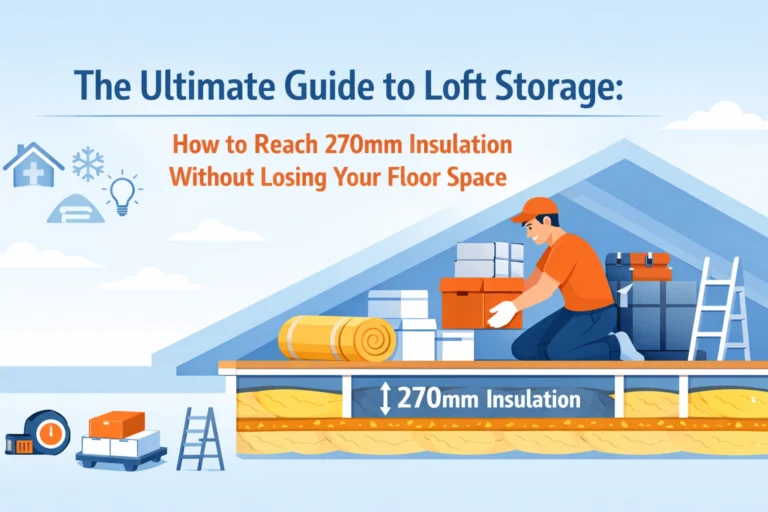
Your loft is prime real estate. It's where Christmas decorations live. Where suitcases hibernate. Where childhood memories sit in labelled boxes.
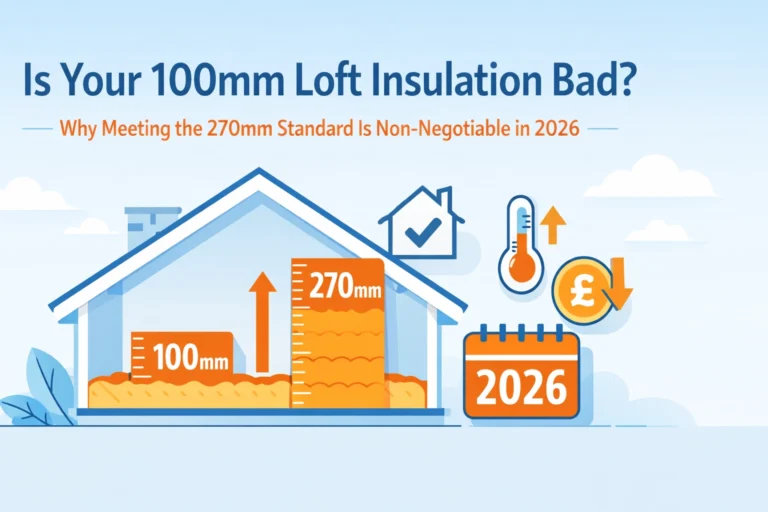
But here's the problem in 2026: 270mm loft insulation is now the recommended depth for UK homes. That's nearly 11 inches of fluffy mineral wool sitting between your joists.
Where does that leave your storage?
Many homeowners think they have two choices. Keep your storage and accept higher energy bills. Or insulate properly and lose access to your loft forever.
There's a third option. Loft legs.
The Storage vs Insulation Dilemma
Walk into most UK lofts and you'll see the same thing. Boards laid directly over insulation. Or worse: insulation squashed flat so boards can sit on the joists.
It seems logical. You want storage space. You want insulation. So you compromise.
But this compromise costs you money every single month.
Why Squashing Insulation Destroys Its Performance
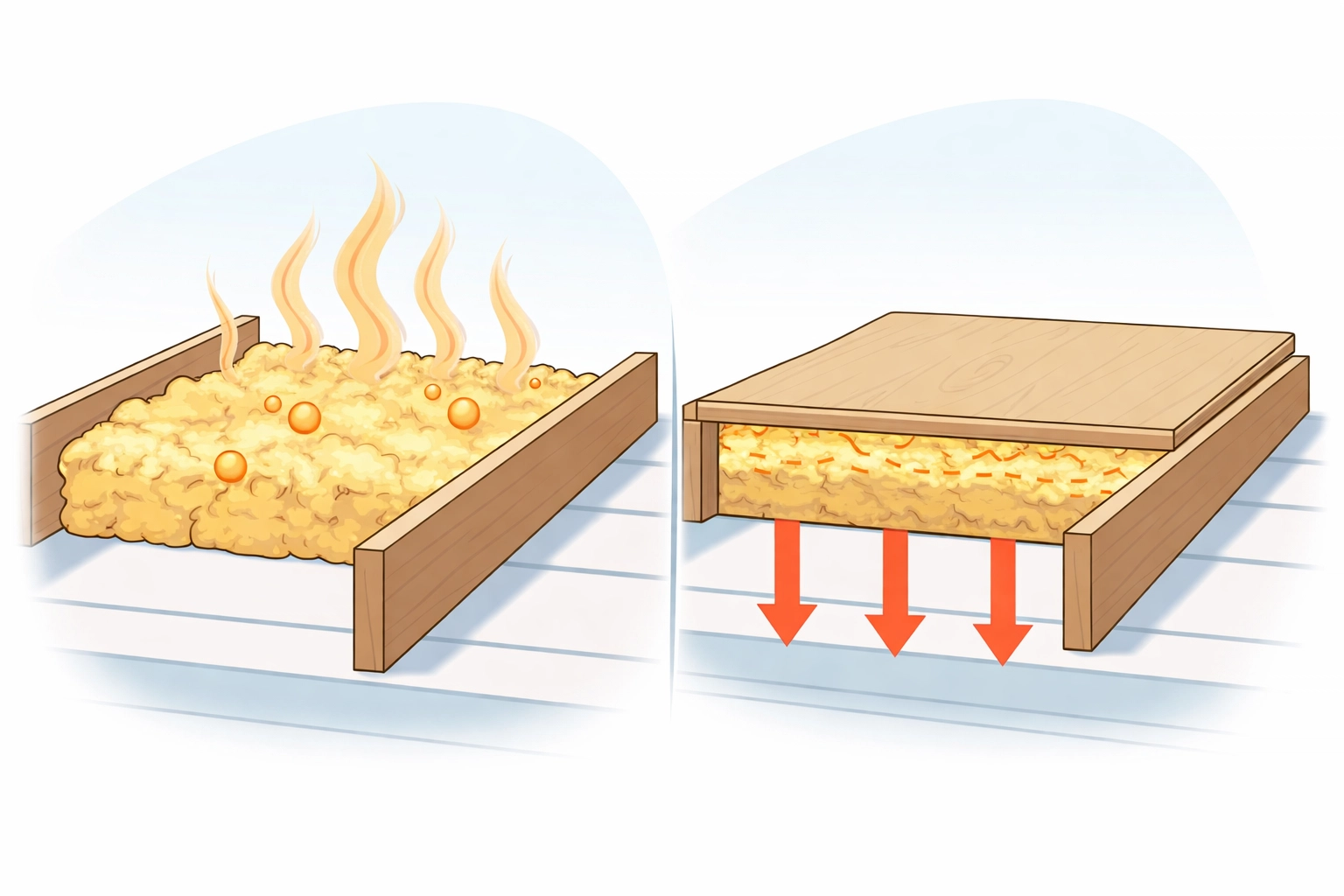
Here's something most homeowners don't realise. Compressed insulation loses more than half its thermal performance.
Mineral wool works by trapping tiny pockets of air. These air pockets slow down heat transfer. When you compress the material, you squeeze out those air pockets.
The result? Heat escapes faster. Your boiler works harder. Your bills climb higher.
The Science Behind R-Value
Insulation effectiveness is measured in R-value. Higher R-value means better thermal resistance.
270mm of mineral wool delivers the R-value recommended by Building Regulations. Compress that same insulation to 100mm? You've slashed its effectiveness dramatically.
You're essentially paying for insulation that isn't working.
Condensation and Damp Problems
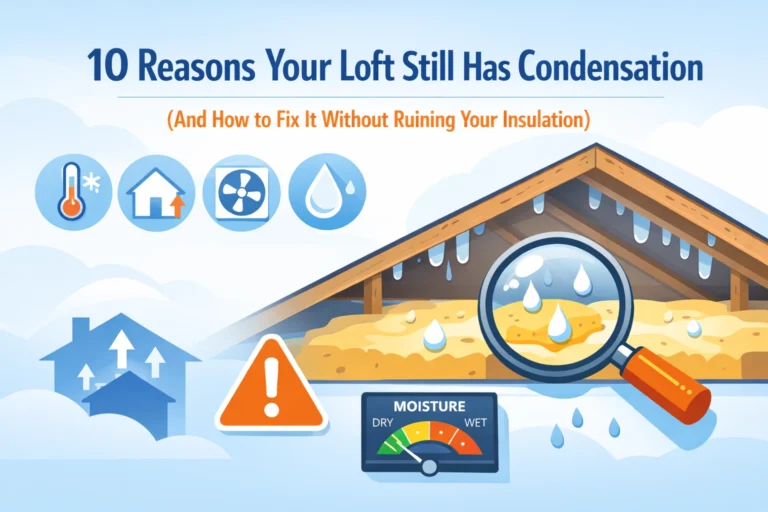
Squashed insulation creates another issue. Condensation.
When heat escapes faster through compressed insulation, warm air from your home meets cold air in the loft. This temperature difference creates moisture.
That moisture leads to:
- Damp patches on ceilings
- Mould growth in your loft space
- Rotting timbers over time
- Damaged belongings stored in your loft
Proper loft insulation for storage shouldn't cause these problems. But poorly installed systems often do.
How Loft Legs Solve the Problem
Loft legs are elegantly simple. They're plastic supports that screw directly into your ceiling joists. They create a raised platform above your insulation.
Your insulation stays fluffy and full-depth. Your storage boards sit safely above.
Both systems work perfectly. Neither compromises the other.

The Anatomy of a Loft Leg System
A typical loft leg installation includes:
- Loft legs – Plastic supports in various heights (typically 175mm or 200mm)
- Raised beams – Timber or composite beams that span across the legs
- Storage boards – Chipboard or OSB panels secured to the beams
- Full-depth insulation – 270mm mineral wool sitting undisturbed below
The legs screw into your joists at regular intervals. Beams run across the legs. Boards fix to the beams.
The entire system floats above your insulation layer.
Maintaining Critical Airflow
The gap between boards and insulation isn't just about depth. It's about airflow.
Proper ventilation prevents condensation buildup. Air circulates beneath the boards. Moisture escapes rather than settling.
Your insulation stays dry. Dry insulation performs better and lasts longer.
Benefits of Loft Leg Installation in 2026
1. Full Thermal Performance
Your 270mm loft insulation works exactly as designed. No compression. No compromise. Maximum R-value maintained.
2. Usable Storage Space
Create a sturdy platform for boxes, bags, and seasonal items. The raised beams distribute weight evenly across your joists.
3. Energy Bill Savings
Properly installed loft insulation can save £110 to £590 annually depending on your property size and heating system. Those savings add up year after year.
4. Improved EPC Rating
Energy Performance Certificates matter more than ever in 2026. Better insulation means a better rating. Better ratings mean higher property values.
5. Reduced Carbon Footprint
Less energy used means fewer carbon emissions. Energy saving upgrades for lofts help you meet personal and national sustainability goals.
6. Protection Against Damp
Proper airflow and full-depth insulation eliminate the condensation problems that plague compressed systems.

The Installation Process
Loft leg installation is straightforward when done correctly. Here's what to expect:
Step 1: Survey and Assessment
A professional surveys your loft space. They check joist depth, existing insulation condition, and ventilation requirements.
Step 2: Preparation
Old boarding gets removed if necessary. Existing insulation gets topped up or replaced to reach the full 270mm depth.
Step 3: Leg Installation
Loft legs screw directly into joists at measured intervals. Heights are chosen to accommodate your insulation depth plus adequate airflow.
Step 4: Beam Fitting
Timber beams span across the legs. They create a framework for your storage platform.
Step 5: Board Laying
Storage boards fix securely to the beams. The result is a solid, level platform perfect for storage.
Step 6: Final Checks
Ventilation pathways get verified. Insulation depth gets confirmed. Access hatches get upgraded if needed.
Is Your Loft Suitable?
Most standard UK lofts suit loft leg systems. However, some factors affect installation:
Ideal conditions include:
- Joist spacing of 400mm or 600mm centres
- Adequate headroom for raised platform
- Good structural condition of existing joists
- Proper eaves ventilation already in place
Potential challenges:
- Very low roof pitches with limited headroom
- Unusual joist configurations
- Existing spray foam insulation (may need removal first)
- Significant structural issues
A proper survey identifies any challenges before work begins.
Loft Legs vs Other Storage Solutions
Loft Legs vs Direct Boarding
Direct boarding compresses insulation. Loft legs preserve it. The energy savings alone make loft legs the smarter investment.
Loft Legs vs Loft Conversion
A full loft conversion costs tens of thousands. Loft legs cost a fraction of that price while still providing practical storage space.
Loft Legs vs No Storage
Sacrificing storage entirely isn't necessary. With loft legs, you get both insulation performance and usable space.
Property Value and Future-Proofing
Home buyers in 2026 care about energy efficiency. They check EPC ratings before making offers.
A properly insulated loft with functional storage ticks two important boxes:
- Energy efficiency – Lower running costs attract buyers
- Practical space – Storage solutions add genuine value
Homes with poor insulation or compression issues face harder sales. Mortgage surveyors flag problems. Buyers negotiate lower prices.
Investing in proper loft insulation for storage protects your property value long-term.
Why Choose ComfySeal for Your Loft Leg Installation
At ComfySeal, we provide loft leg installation across the UK. Our service includes:
- Free survey – We assess your loft and provide honest recommendations
- Professional installation – Our trained teams handle everything
- 10-year guarantee – Peace of mind for a decade
- 270mm insulation – We install to current Building Regulations standards
We've helped hundreds of homeowners achieve the perfect balance. Full insulation depth. Usable storage space. Lower energy bills.
Get your free survey today and discover what's possible for your loft.
Final Thoughts
You shouldn't have to choose between insulation and storage. Loft legs give you both.
Your 270mm loft insulation works at full capacity. Your storage space remains accessible and practical. Your energy bills stay low. Your home's value stays high.
It's one of the smartest energy saving upgrades for lofts available in 2026.
Squashing insulation was never the answer. Loft legs are.