TL;DR: The Essentials
- Deadline Alert: The Great British Insulation Scheme (GBIS) deadline is March 31, 2026.
- The Risk: Rushed "free" installs often block essential ventilation.
- The Consequence: Trapped moisture leads to rotting roof timbers and mould.
- The Fix: Professional installs prioritise airflow and electrical safety over speed.
- The Verdict: A "free" grant is only a saving if it doesn't destroy your roof.
The calendar shows February 2026.
The March 31st deadline for the Great British Insulation Scheme (GBIS) is looming.
Thousands of homeowners are rushing to secure GBIS grants before the funding window closes.
Free or subsidised energy saving upgrades for lofts sound like a win.
However, speed often kills quality.
A rushed loft insulation installation can turn your home into a ticking time bomb.
At ComfySeal Ltd, we are seeing a surge in "rescue" jobs.
Homeowners are calling us to fix damp issues caused by grant-funded installers.
You deserve a warm home, but you shouldn't trade your roof's health for it.
What are the hidden dangers of the GBIS rush?
The incentive for many grant contractors is volume.
They are often paid per job, not by the hour.
This creates a "get in and get out" mentality.
When installers move too fast, they overlook critical details.
They might skip the initial property audit.
They might ignore existing damp issues.
Research shows that only 1 in 1,000 grant installations are properly inspected.
This lack of oversight means errors go unnoticed for months.
By the time you smell the musty scent of rot, the damage is done.
Check out our guide on Safety & Consumer Advice to stay informed.
Why is ventilation more important than the insulation itself?
Your roof needs to breathe.
Warm air from your living space rises into the loft.
Without proper airflow, this moisture stays trapped.
Standard grant installers often push mineral wool into the "eaves."
These are the narrow gaps where the roof meets the walls.
Blocking these gaps stops fresh air from circulating.
This leads to loft condensation solutions being needed later.
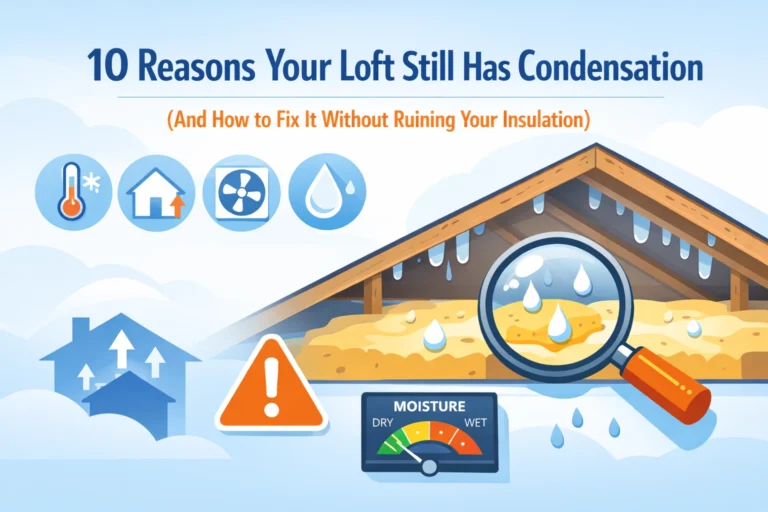
Condensation turns into water droplets on your rafters.
Wet wood rots.
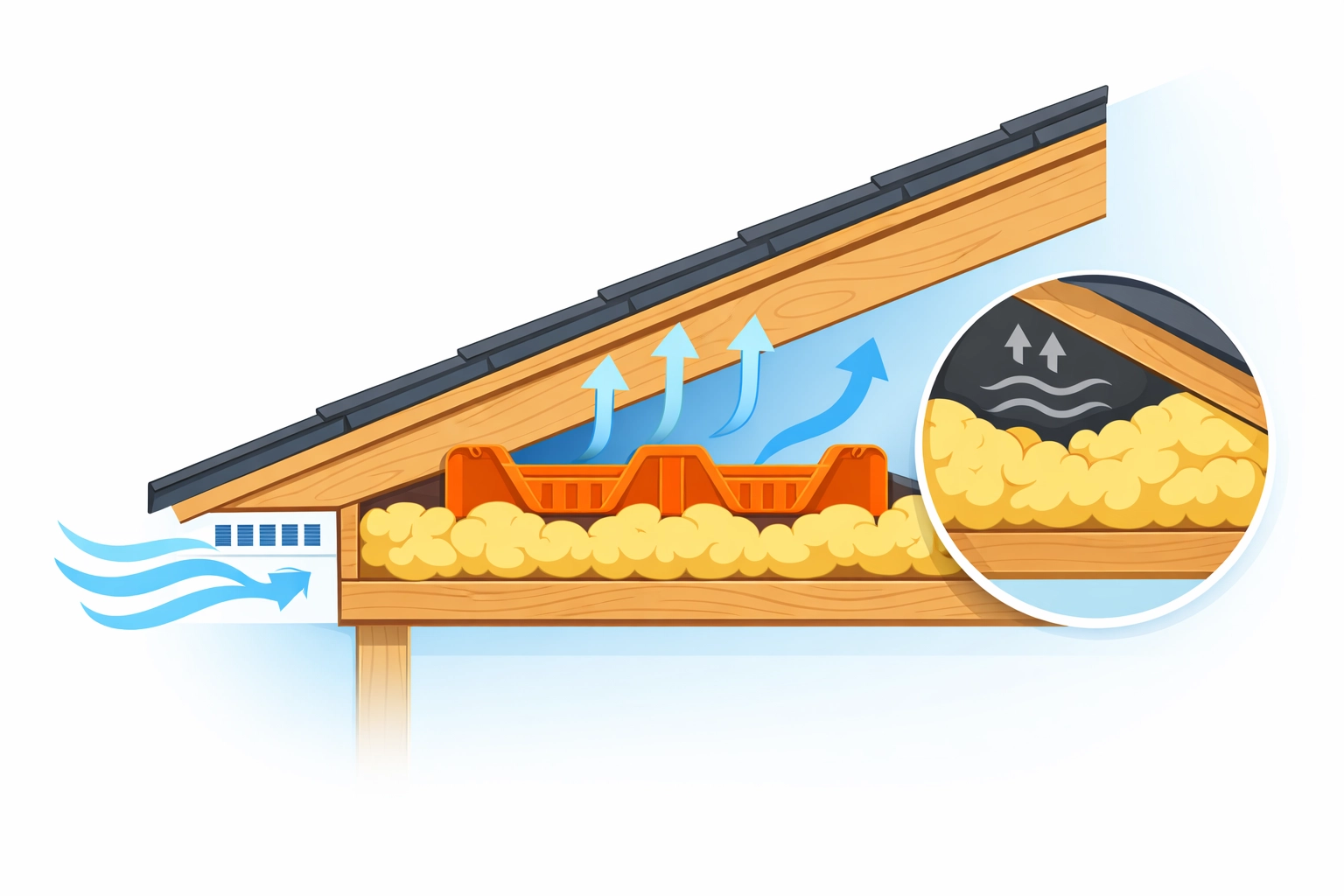
A professional installer uses "eave vents" or "baffles."
These ensure the insulation stays in place without choking the roof.
If your installer isn't talking about airflow, they aren't doing their job.
Learn more about Health, Air Quality & Safety in our dedicated section.
How do you spot a poor-quality "grant" installation?
You don't need to be an expert to spot a bad job.
Look for these red flags in your loft:
- Blocked Vents: No visible light or air coming from the roof edges.
- Buried Electrics: Cables and junction boxes hidden under deep wool. This is a major fire hazard.
- Uneven Depth: Patchy coverage that leaves "cold spots."
- No Walkway: Important pipes or tanks made inaccessible.
If your installation was completed in under two hours, be wary.
A proper loft insulation installation takes time and precision.
Grant Standard vs. ComfySeal Standard
Not all installations are created equal.
Here is how a "rush job" compares to a professional service.
| Feature | Typical GBIS "Rush" Install | ComfySeal Professional Install |
|---|---|---|
| Survey | Minimal or non-existent. | Full structural and moisture assessment. |
| Ventilation | Often blocked at the eaves. | Guaranteed airflow with baffles. |
| Materials | Basic, thin mineral wool. | High-performance Multifoil or premium wool. |
| Electricals | Cables buried (overheating risk). | Cables lifted or kept clear for safety. |
| Inspection | 0.1% chance of third-party check. | Internal quality sign-off on every job. |
| Longevity | May cause rot within 2-3 years. | Designed for the lifetime of the building. |
Can a bad installation affect your property value or mortgage?
Yes, it absolutely can.
Lenders are becoming stricter about loft conditions.
Issues like Spray Foam & Mortgage Issues have already proven this.
However, even standard wool can be a problem if it causes rot.
A surveyor will check for damp in the roof timbers during a sale.
If they find structural damage caused by poor insulation, your sale could collapse.
Investing in professional loft insulation installers protects your asset.
It ensures your EPC rating improves without compromising the building's bones.
Read more about Property Sales & Investment to see how quality pays off.

What are the common loft condensation solutions?
If you already have a damp loft, don't just add more insulation.
You must address the root cause first.
- Lap Vents: These clip between your roof felt to allow air in.
- Soffit Vents: Holes drilled into the external eaves to improve intake.
- Tile Vents: Replacing standard roof tiles with vented ones.
- Mechanical Extraction: Using fans to pull moisture out of bathrooms below.
We cover these in depth in our Practical Loft Solutions & Maintenance category.
What makes a professional loft insulation installation different?
At ComfySeal, we don't just "throw wool at the problem."
We look at the house as a complete system.
We check the "U-value" to ensure maximum energy savings.
We also consider the future.
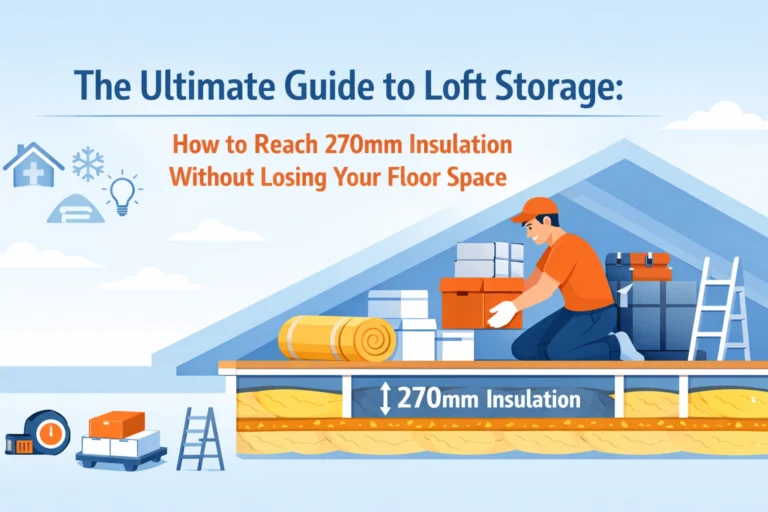
Will you need to store boxes in the loft?
Standard wool is easily compressed, which ruins its efficiency.
We offer solutions like raised loft boarding to keep your insulation effective.
Don't settle for the bare minimum.
A "free" install that costs £5,000 in roof repairs later is a bad deal.
Get a quote for a job done right: Get A Quote.
Frequently Asked Questions
Is the GBIS grant really free?
For many, yes. It targets lower-income households and those in specific council tax bands. However, the "cost" often comes in the form of lower-quality work if the contractor is rushing.
Can I fix a bad insulation job myself?
You can clear some vents, but structural damage or buried electrics require pros. It is safer to have a survey to assess the damage.
How much insulation do I actually need?
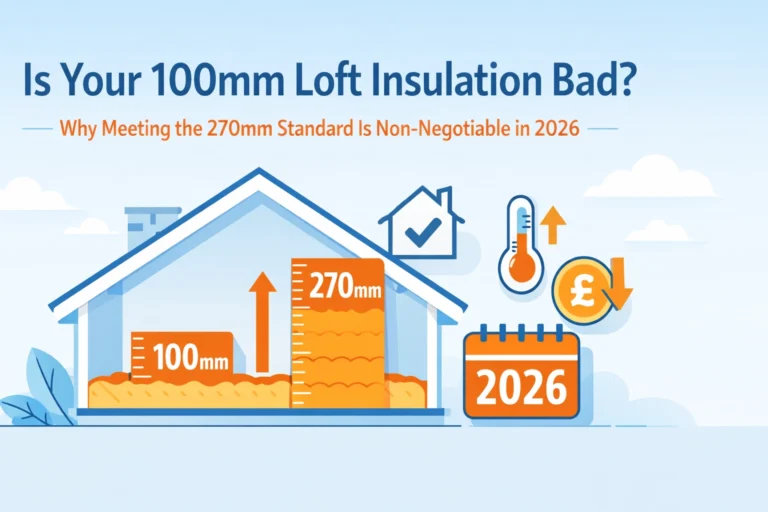
Current UK regulations suggest 270mm of mineral wool. However, high-tech materials like multifoil can provide better results with less bulk. Check out our Material Guides & Comparisons.
Will new insulation cause mould?
Only if the ventilation is blocked. Insulation makes the loft colder because heat stays in your rooms. If moisture gets into that cold loft and can't escape, mould grows.
What should I do before the March 31st deadline?
Book a professional survey now. Even if you use a grant, you should know exactly what your roof needs. Knowledge is your best defence against a bad install.
Final Thoughts
The GBIS deadline is an opportunity, not a mandate to ruin your home.
Be the homeowner who asks about eave vents.
Be the homeowner who checks the electrical cables.
A warm home is essential, but a dry, sturdy roof is non-negotiable.
If you want the peace of mind that comes with a professional touch, we are here to help.
Secure your home's future before the rush turns into a regret.
Book Your Free Consultation today and let's ensure your insulation is a blessing, not a burden.
For more tips on staying warm and saving money, visit our Expert Advice section.