You've accepted an offer on your home. The champagne's on ice. Then the surveyor's report lands.
Non-compliant insulation.
Those two words can stop a property sale dead. It happened to a homeowner in Birmingham. And it nearly cost them everything.
This is how we helped save the sale.
The Problem: A Survey That Changed Everything
The property was a 1930s semi-detached in Erdington. Classic Birmingham housing stock. The seller had lived there for twelve years.
A buyer came forward quickly. The price was agreed. Solicitors were instructed.
Then the survey flagged a serious issue.
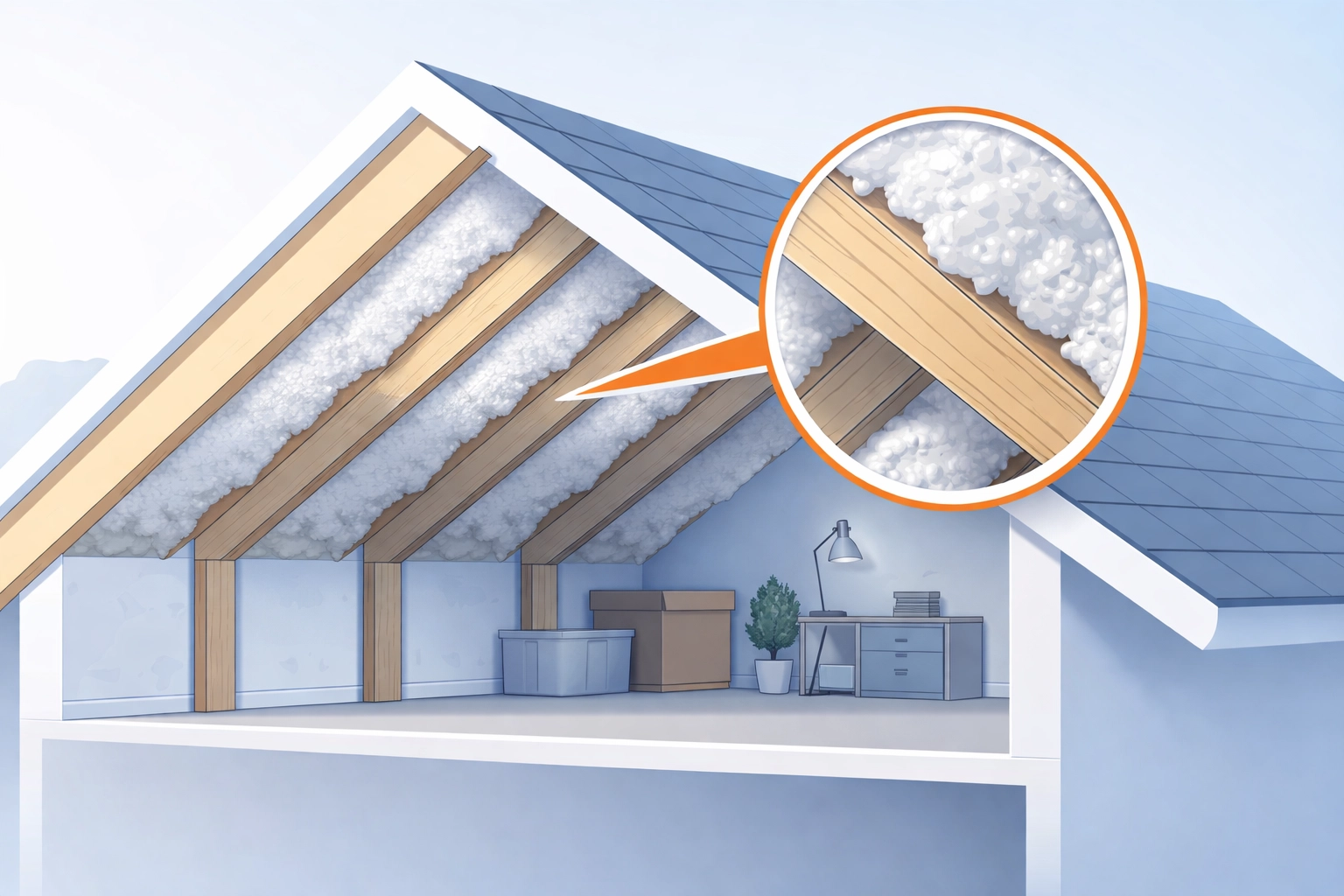
Spray foam insulation had been installed in the loft. It didn't meet current Building Regulations. The surveyor noted potential issues with roof timber inspection. The mortgage lender wasn't happy.
The buyer's lender refused to proceed.
Suddenly, a straightforward sale became a nightmare.

Why Non-Compliant Insulation Kills Property Sales
Mortgage lenders are cautious. They protect their investment. Your property is their security.
When insulation doesn't meet Part L of the UK Building Regulations, lenders get nervous. They worry about:
- Hidden structural damage beneath the insulation
- Moisture problems that can't be inspected
- Future remediation costs falling on them
- Resale difficulties if they repossess
Non-compliant spray foam is a particular red flag. It bonds to roof timbers. Surveyors can't see what's underneath.
No inspection means no certainty. No certainty means no mortgage.
For our Birmingham seller, this meant one thing. Fix it or lose the sale.
Understanding the Compliance Requirements
Building Regulations exist for good reason. They ensure homes are safe and energy-efficient.
Part L governs thermal performance. It sets minimum standards for insulation. These standards use U-values to measure heat transfer.
For loft insulation, the requirements are clear:
- Mineral wool: minimum 150mm thickness
- PIR boards: minimum 90mm thickness
- Spray foam: minimum 70mm thickness
But thickness alone isn't enough.
The installation must allow for roof timber inspection. Ventilation must be maintained. The work should have Building Control sign-off.
Our Birmingham property had none of this documentation. The spray foam covered the rafters completely. There was no ventilation gap.
Three strikes. All serious.
The ComfySeal Assessment
The homeowner contacted us in a panic. The sale was on the verge of collapse. They needed answers fast.
We scheduled a free consultation within 48 hours.
Our surveyor arrived and assessed the situation. The findings were mixed: some good news, some challenges.
The good news: The roof timbers visible at the edges appeared sound. No obvious signs of rot or dampness.
The challenge: The spray foam covered approximately 80% of the rafter surfaces. Complete removal would be necessary.
We provided a detailed remediation plan. Clear timelines. Fixed pricing. No nasty surprises.
The homeowner agreed to proceed immediately.
The Remediation Process
Spray foam removal isn't a DIY job. It requires specialist equipment. And considerable expertise.
Here's how we approached this Birmingham project:
Step 1: Preparation and Protection
We protected the living space below. Dust sheets covered everything. Negative air pressure prevented contamination spreading.
The loft was cleared of all stored items. Access was created for our team and equipment.
Step 2: Careful Removal
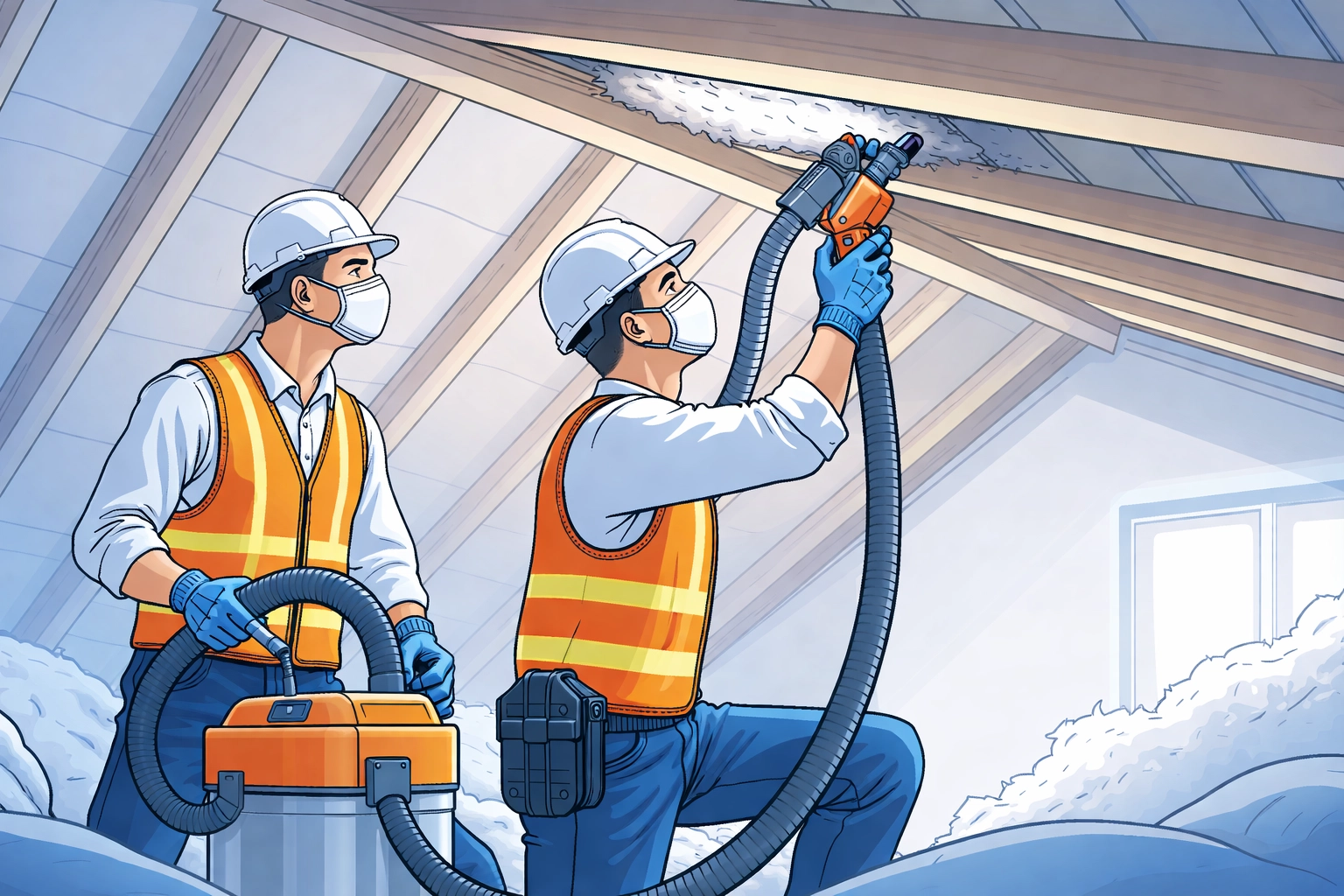
Our technicians removed the spray foam section by section. Specialist tools prevented damage to the underlying timbers.
This took two full days. Patience was essential.
Rushing risks timber damage. We never rush.
Step 3: Timber Inspection and Treatment
With the foam removed, we could finally see the rafters. Good news: they were in excellent condition.
We applied preventative timber treatment as an extra precaution. Belt and braces.
Every rafter was photographed. Every joint inspected. Full documentation created.
Step 4: Compliant Insulation Installation
Now for the solution. We recommended multifoil insulation for this property.
Why multifoil? Several reasons:
- Space-efficient: minimal thickness required
- Reflective technology: superior thermal performance
- Inspection-friendly: doesn't obscure timbers
- Ventilation-compatible: maintains airflow
The installation met all Building Regulations requirements. Proper U-values achieved. Ventilation preserved.
Step 5: Documentation and Certification
This step matters most for property sales.
We provided:
- Detailed completion certificate
- Photographic evidence of timber condition
- Specification documents for new insulation
- Warranty information for future reference
This paperwork package went straight to the mortgage lender.
The Result: Sale Saved
The lender reviewed our documentation. Their concerns were addressed. The mortgage was approved.
Total time from first contact to completion: 11 days.
The property sale proceeded. The buyer got their mortgage. The seller got their sale.
Everyone won.
The homeowner sent us a message afterward:
"We thought we'd lost the sale completely. ComfySeal turned it around in under two weeks. Couldn't recommend them enough."

Could This Happen to You?
If your property has spray foam insulation, you might face similar issues. Especially if:
- It was installed before 2020
- You have no Building Control certificate
- The foam covers roof timbers completely
- Ventilation gaps aren't visible
Don't wait until you're selling to find out.
A proactive assessment now could save months of stress later. We offer free surveys across Birmingham and the West Midlands.
Book your free consultation and get clarity on your situation.
How to Protect Your Property Sale
Planning to sell in the next few years? Take these steps now:
1. Check Your Loft Insulation
Can you see the roof timbers? Is there a ventilation gap at the eaves? Do you have installation certificates?
If you're unsure, get professional advice.
2. Order an EPC Early
Your Energy Performance Certificate will highlight potential issues. Better to know before marketing your property.
3. Gather Documentation
Find any paperwork from previous insulation work. Building Control certificates. Installer guarantees. Anything relevant.
4. Address Problems Proactively
Fixing issues before listing avoids negotiation weakness. Buyers use survey problems to reduce offers.
Stay in control by acting first.
5. Work With Specialists
General builders might not understand compliance requirements. Insulation specialists know what lenders need to see.
We've helped dozens of Birmingham homeowners navigate this process. Get a quote for your property today.

Common Questions About Insulation Compliance
How long does remediation take?
Most projects complete within 5-10 working days. Complex situations may take longer.
Will I need to move out?
Usually not. Work happens in the loft space. Disruption to living areas is minimal.
What does it cost?
Every property differs. We provide fixed-price quotes after assessment. No hidden charges.
Can I claim against the original installer?
Possibly. Keep all original documentation. We can advise on your options.
Will compliant insulation perform as well?
Modern compliant insulation often performs better than old spray foam. Your energy bills shouldn't suffer.
Final Thoughts
A property sale shouldn't collapse because of insulation problems. But it happens more often than you'd think.
The Birmingham homeowner in this case study nearly lost their buyer. Eleven days later, they were back on track.
Non-compliant insulation is fixable. With the right approach and proper documentation, mortgage lenders approve properties every day.
If you're worried about your loft insulation, don't wait for a survey to raise concerns. Find out now. Fix it properly. Protect your future sale.
Book your free consultation with ComfySeal today.