January is here. Your energy bills from December just landed.
Not pretty, is it?
Here's the good news. You can transform your home's energy performance this year. By December, you could be living in a 100% energy-efficient home.
This isn't wishful thinking. It's a practical, step-by-step roadmap.
Let's break it down.
What Does 100% Energy Efficiency Actually Mean?
True energy efficiency means net-zero energy consumption. Your home produces as much energy as it uses annually.
Sounds ambitious? It is. But it's entirely achievable.
The average UK home wastes enormous amounts of energy. Poor insulation. Draughty windows. Inefficient heating systems.
Every weakness is an opportunity. Fix them systematically, and your bills plummet.
Step 1: Know Your Starting Point (January–February)
You can't improve what you don't measure.
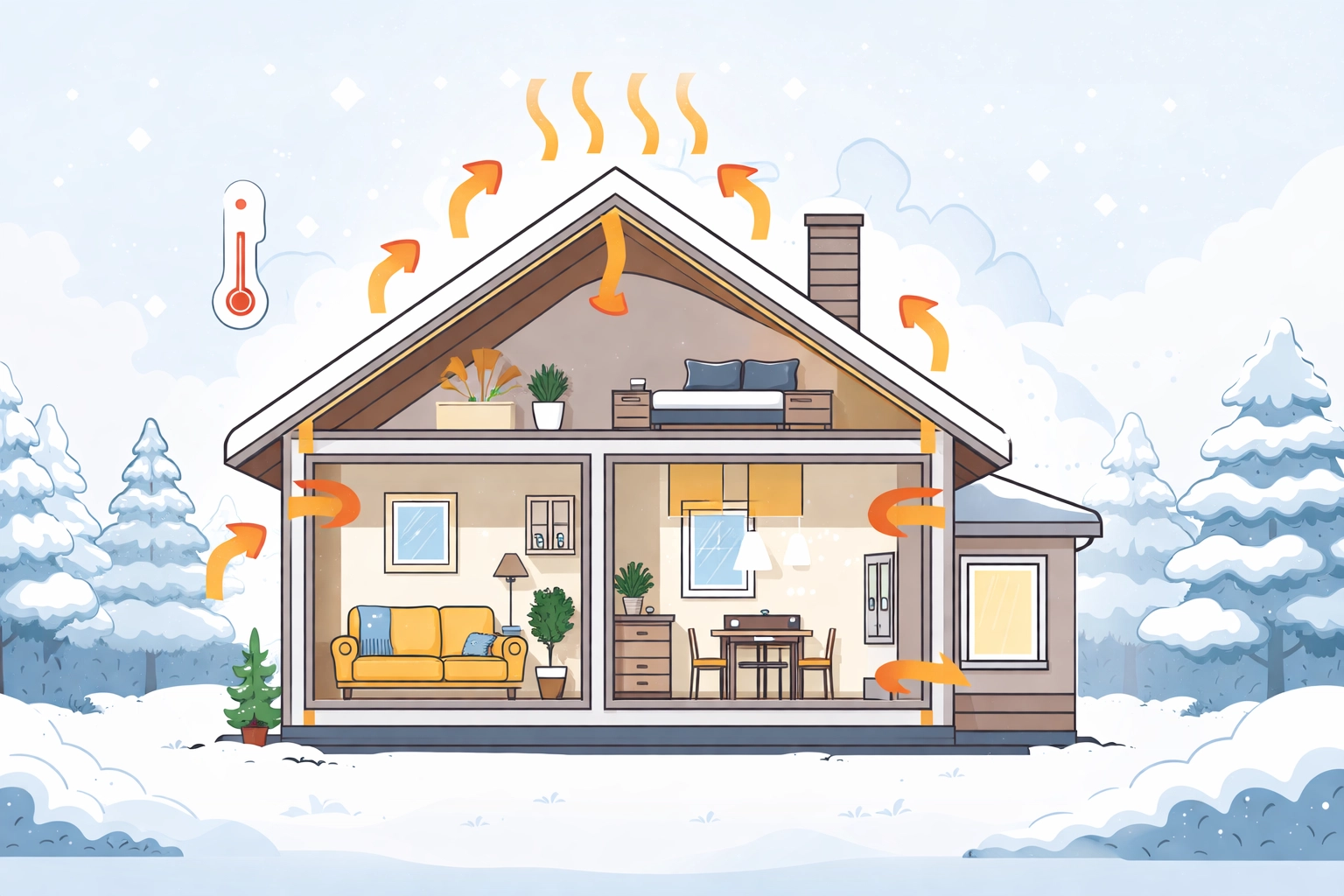
Start with a home energy assessment. This reveals exactly where your home loses heat.
Common problem areas include:
- Loft spaces – up to 25% of heat escapes here
- Walls – another 35% can vanish through uninsulated walls
- Floors – cold floors mean wasted energy
- Windows and doors – draughts steal your warmth
A professional survey identifies your priorities. It shows you where to invest first.
Book your free consultation to get started.
Step 2: Seal Your Building Envelope (February–April)
This is the foundation. Everything else builds on it.
Your building envelope is the barrier between inside and outside. Walls. Roof. Floor. Windows. Doors.
If it leaks, you're heating the outdoors.
Focus on Insulation First
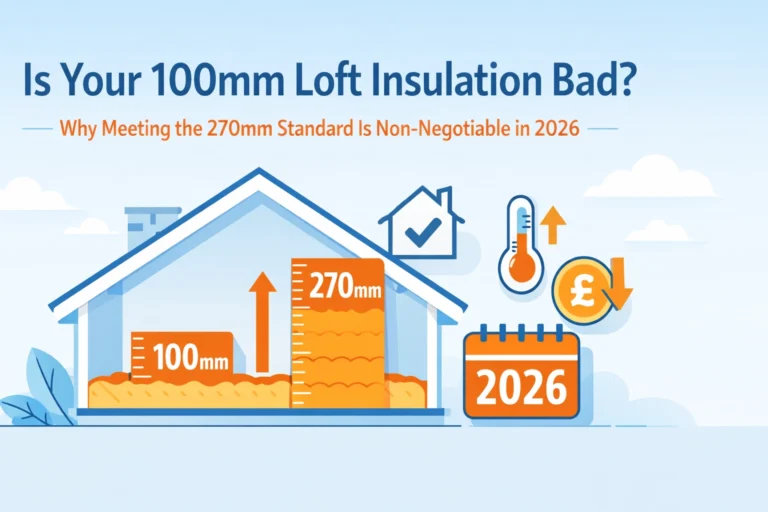
Loft insulation delivers the fastest payback. Heat rises. Without proper loft insulation, it escapes straight through your roof.
The recommended depth is 270mm of mineral wool. Or consider multifoil insulation for tight spaces.
Wall insulation tackles the biggest heat loss area. Cavity wall insulation is straightforward. Solid walls need internal or external solutions.
Floor insulation often gets overlooked. It shouldn't. Cold floors force your heating to work harder.
Eliminate Draughts
Draughts make your home feel colder than it is.
Check around windows, doors, letterboxes, and pipework. Seal gaps with appropriate draught-proofing strips.
Small fixes. Big comfort gains.

Step 3: Upgrade Your Heating System (April–June)
Your insulation is sorted. Now your heating system works less hard.
This is the perfect time to upgrade.
Consider These Options
1. Modern condensing boilers
If your boiler is over 10 years old, it's inefficient. New A-rated boilers use up to 30% less gas.
2. Heat pumps
Air source heat pumps extract warmth from outside air. They deliver 3–4 units of heat for every unit of electricity.
3. Ductless mini-splits
These offer room-by-room control. SEER ratings reach 30+. Perfect for well-insulated homes.
Don't Forget Your Controls
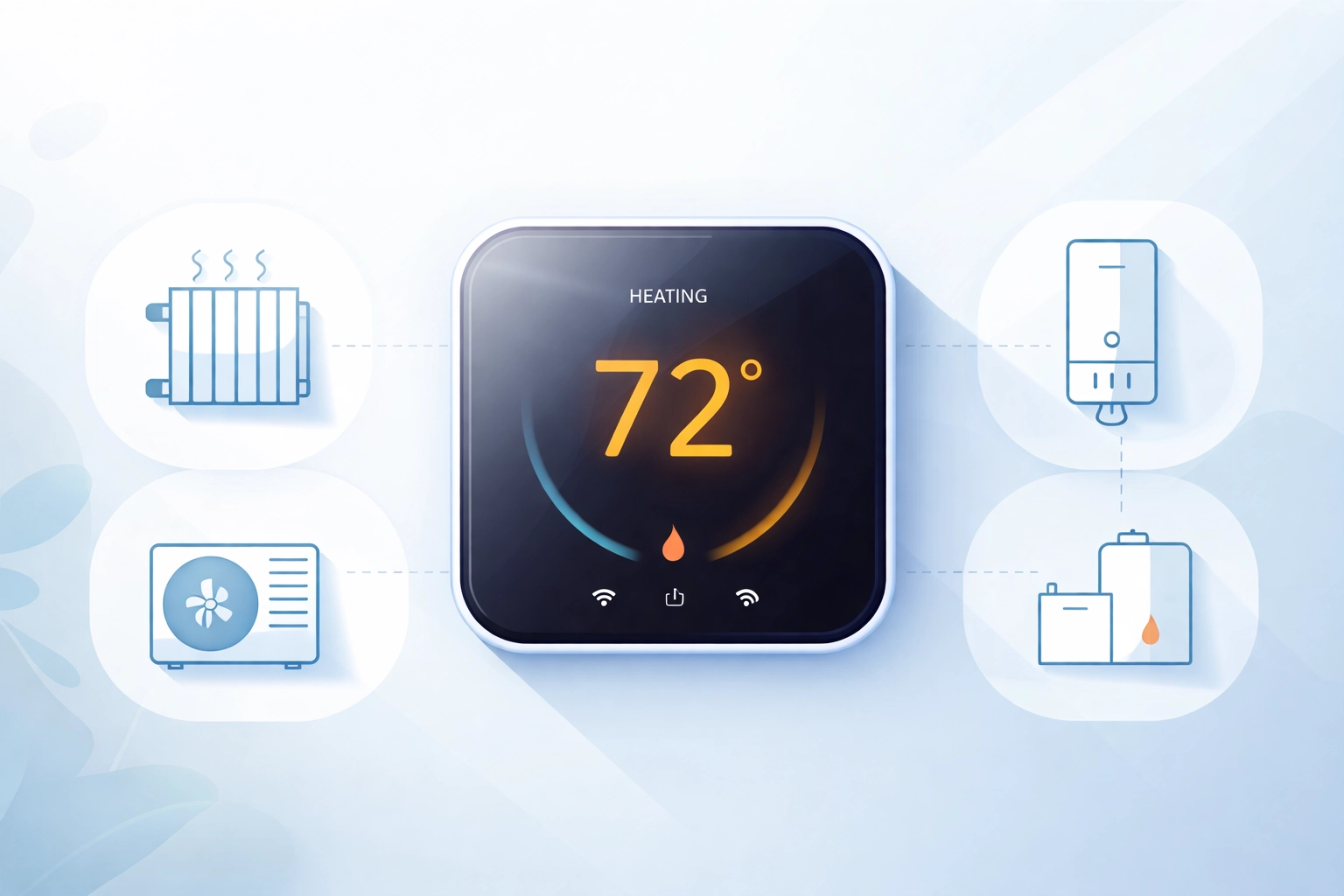
A smart thermostat saves approximately £100 annually. It learns your routine. It adjusts automatically.
Thermostatic radiator valves (TRVs) let you control each room. No more heating empty bedrooms.
Step 4: Tackle Hot Water (June–August)
Water heating accounts for 15–20% of home energy use.
That's significant. Address it.
Quick Wins
- Insulate your hot water cylinder – a simple jacket reduces heat loss
- Insulate hot water pipes – keeps water hotter for longer
- Lower your thermostat – 60°C is sufficient and safer
Bigger Upgrades
Solar thermal panels heat water using sunlight. They work even on cloudy UK days.
Heat pump water heaters are another option. They're 2–3 times more efficient than traditional systems.
Step 5: Optimise Lighting and Appliances (August–September)
Lighting and appliances consume more than you think.
LED bulbs use 75% less energy than traditional bulbs. They last 25 times longer too.
Replace old bulbs room by room. Prioritise lights you use most.
Smart Lighting Controls
Motion sensors switch lights off automatically. No more wasted electricity in empty rooms.
Smart plugs identify energy-hungry appliances. Knowledge is power. Literally.
Appliance Choices Matter
When replacing appliances, check the energy rating. A+++ rated appliances use significantly less power.
Focus on the big consumers first. Fridges. Washing machines. Tumble dryers.
Step 6: Add Renewable Energy (September–November)
Your home now uses minimal energy. Time to generate your own.
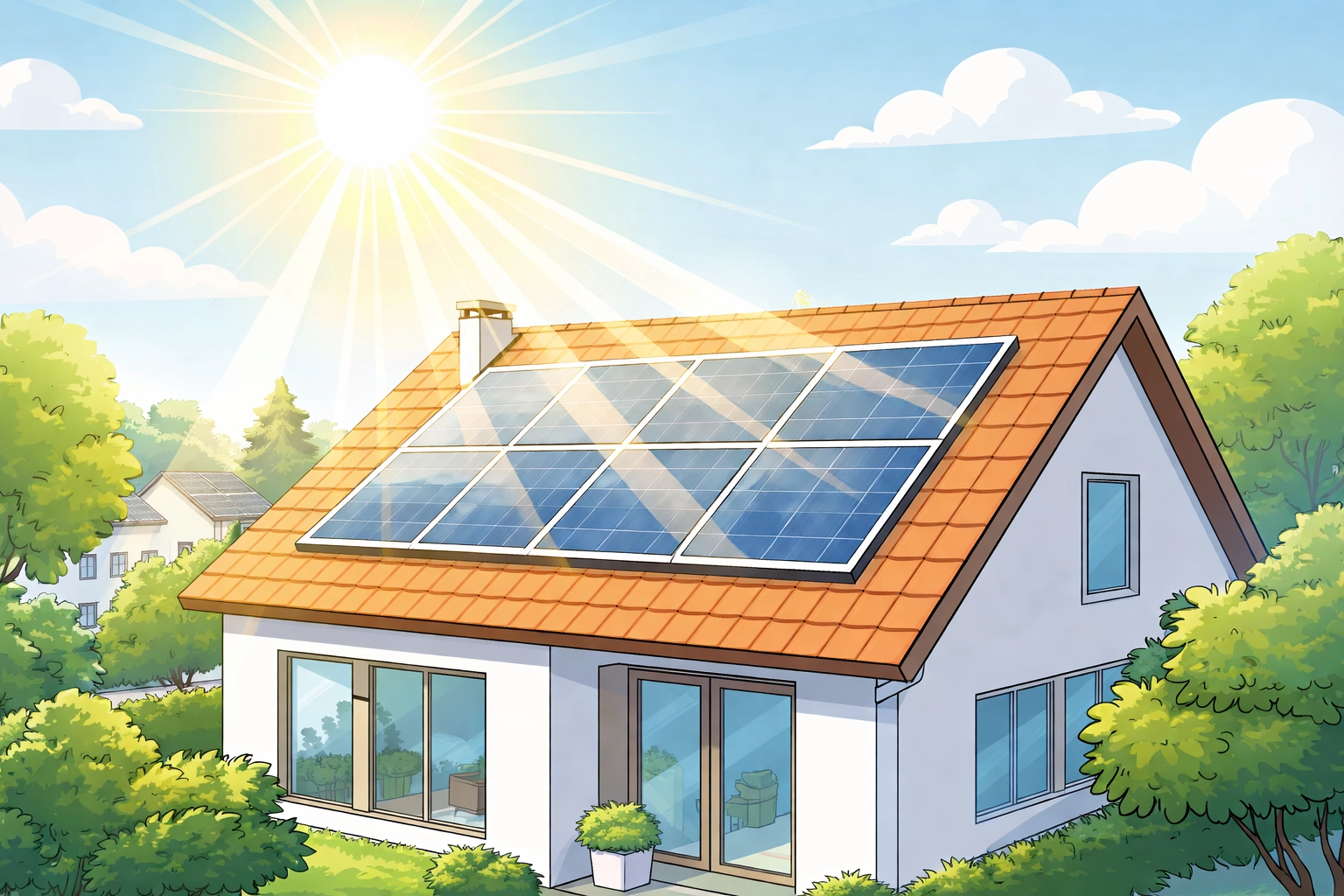
Solar PV panels are the most accessible option. Modern panels achieve 20–22% efficiency.
Premium models reach 24%. Prices have dropped dramatically.
What to Expect
A typical 4kW system generates around 3,400 kWh annually. That covers a significant portion of household use.
Excess electricity feeds back to the grid. You earn money while you sleep.
Battery storage lets you use solar power after dark. Technology improves every year.
Consider Your Roof
South-facing roofs work best. East and west orientations still perform well.
Shading reduces output. Trees and chimneys matter.
A professional assessment determines your potential. Get a quote to explore your options.
Step 7: Verify and Certify (November–December)
You've made the upgrades. Now prove it.
Energy Performance Certificates (EPCs) rate your home from A to G. Aim for A or B.
A better EPC rating increases property value. It attracts better mortgage rates too.
Consider Certification
Passive House certification is the gold standard. It requires rigorous testing and documentation.
Energy Star certification offers another benchmark. Both verify your efficiency gains.
Certification provides confidence. It documents your achievement.
Your Month-by-Month Checklist
Here's your roadmap at a glance:
- January–February: Energy assessment and planning
- February–April: Insulation and draught-proofing
- April–June: Heating system upgrades
- June–August: Hot water improvements
- August–September: Lighting and appliances
- September–November: Solar panels and renewables
- November–December: Verification and certification
Adjust timing to suit your budget. Spread costs across the year.
The Financial Reality
Let's talk numbers.
Loft insulation typically costs £300–£500. It saves £200–£300 annually. Payback within two years.
Smart thermostats cost around £200 installed. Savings of £100+ per year.
Solar panels require bigger investment. But they generate returns for 25+ years.
Government grants reduce upfront costs. Check current schemes before starting.
Common Mistakes to Avoid
Don't skip the assessment. Guessing wastes money on wrong priorities.
Don't ignore insulation. Renewable energy on a leaky home is pointless.
Don't rush. A systematic approach delivers better results.
Don't DIY everything. Some jobs need professional expertise.
Final Thoughts
A 100% energy-efficient home isn't a fantasy. It's a destination.
This roadmap gets you there. Step by step. Month by month.
Start with insulation. It's the foundation everything else builds upon.
Your January self will thank your December self. Lower bills. Greater comfort. Smaller carbon footprint.
Ready to begin? Book your free consultation today.
The new year starts now. Your lower bills start here.