Thinking about upgrading your loft insulation in 2026? Smart move.
With energy bills still unpredictable and new building regulations tightening, loft insulation remains one of the most cost-effective energy saving upgrades for lofts. But before you pick up the phone, you need to understand what actually affects the price.
Here are 10 things every UK homeowner should know before booking a loft insulation installation.
1. Your Property Type Directly Affects the Price
Not all homes cost the same to insulate. The size and layout of your loft dictate how much material and labour you need.
Here's a quick breakdown of average loft insulation cost 2026 by property type:
- Terraced house: £654–£880
- Semi-detached house: £900–£1,000
- Detached house: £1,100–£1,500
- Bungalow: £1,200–£1,700
Detached homes and bungalows typically have larger roof footprints. More space means more insulation. Simple maths.
2. Material Choice Changes Everything
The type of insulation you choose has a massive impact on both upfront cost and long-term performance.
| Material | Cost per m² |
|---|---|
| PIR Boards | £5–£15 |
| Fibreglass | £10 |
| Cellulose | £10–£12 |
| Mineral Wool | £13–£17.50 |
| Sheep Wool | £17.50–£22 |
| Spray Foam | £37 |
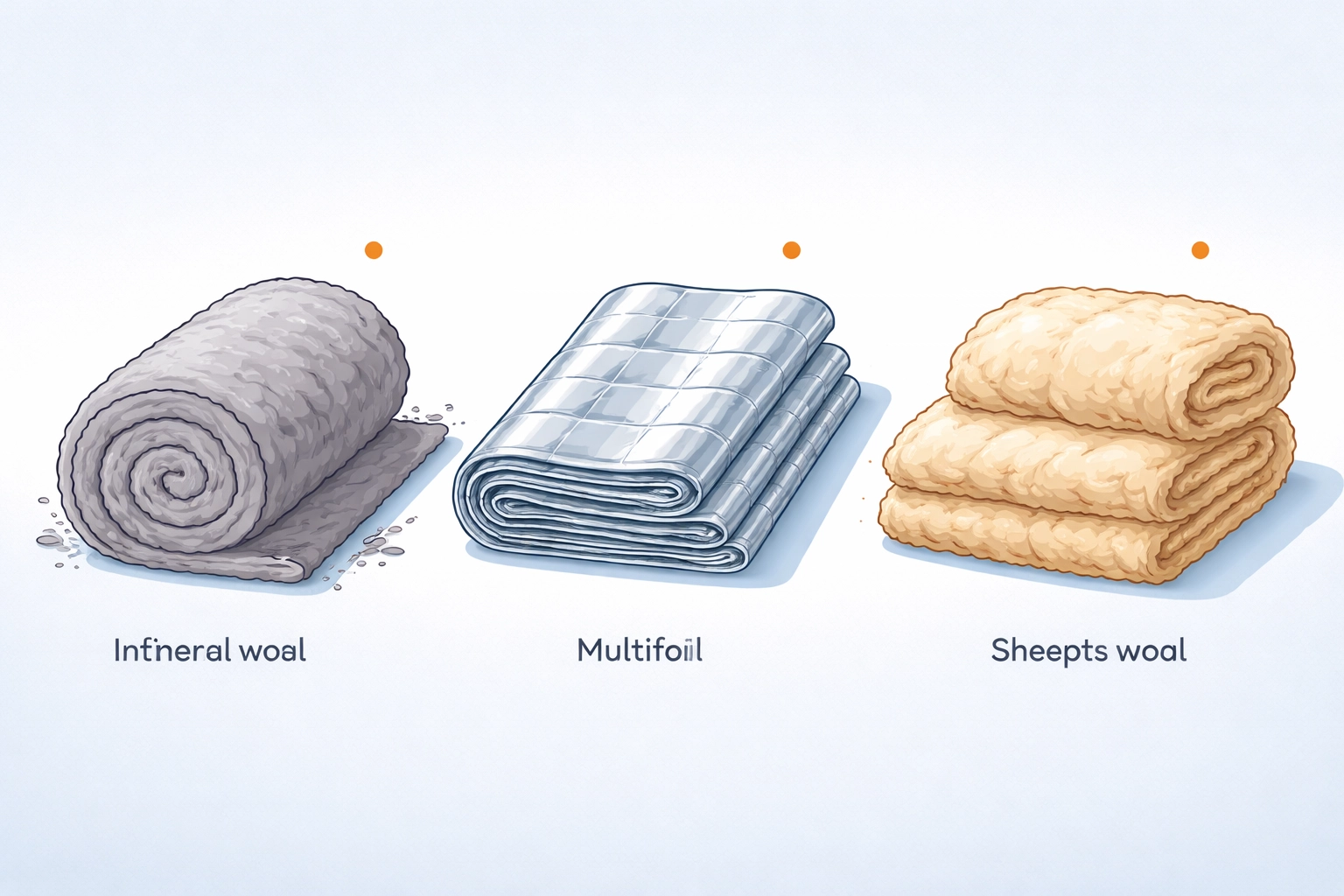
Mineral wool insulation (including rockwool insulation) offers excellent thermal performance at a mid-range price. It's also non-combustible and meets A1 fire rated insulation standards.
For homeowners who want natural and sustainable options, sheep's wool insulation UK is breathable, moisture-regulating, and eco-friendly. It costs more upfront but offers unique benefits for older properties.
If space is tight, multifoil loft insulation is a game-changer. It's thinner, reflects radiant heat, and works brilliantly in low-headroom lofts. Learn more about multifoil insulation here.
3. Labour Costs Add Up Quickly
Professional installation labour typically runs around £250 per day. This covers the installer's time, expertise, and equipment.
Some companies bundle labour into a single quote. Others itemise it separately. Always ask for a breakdown so you know exactly what you're paying for.
At ComfySeal, our certified teams are fully trained and insured. You get transparent pricing with no hidden extras.
4. The 270mm Depth Standard Matters
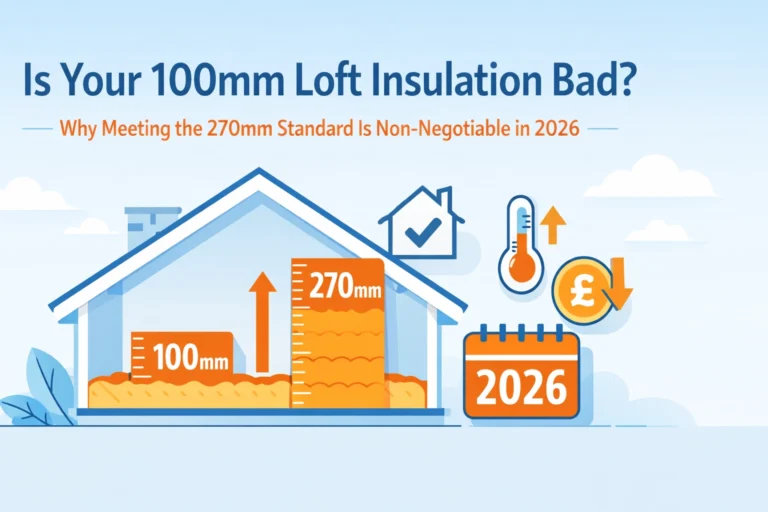
Current Part L building regulations loft insulation requirements recommend a minimum depth of 270mm for new installations. This is the benchmark for maximum energy efficiency.
If your existing insulation is below this: say, 100mm or 120mm: you'll likely need a top-up rather than a full replacement. That's good news for your wallet.
However, if you're starting from zero, expect to pay more. A professional survey will confirm exactly what's already up there and what you need.
5. A Professional Survey Saves Money (and Headaches)
Here's where many homeowners go wrong. They book an installation without a proper assessment.
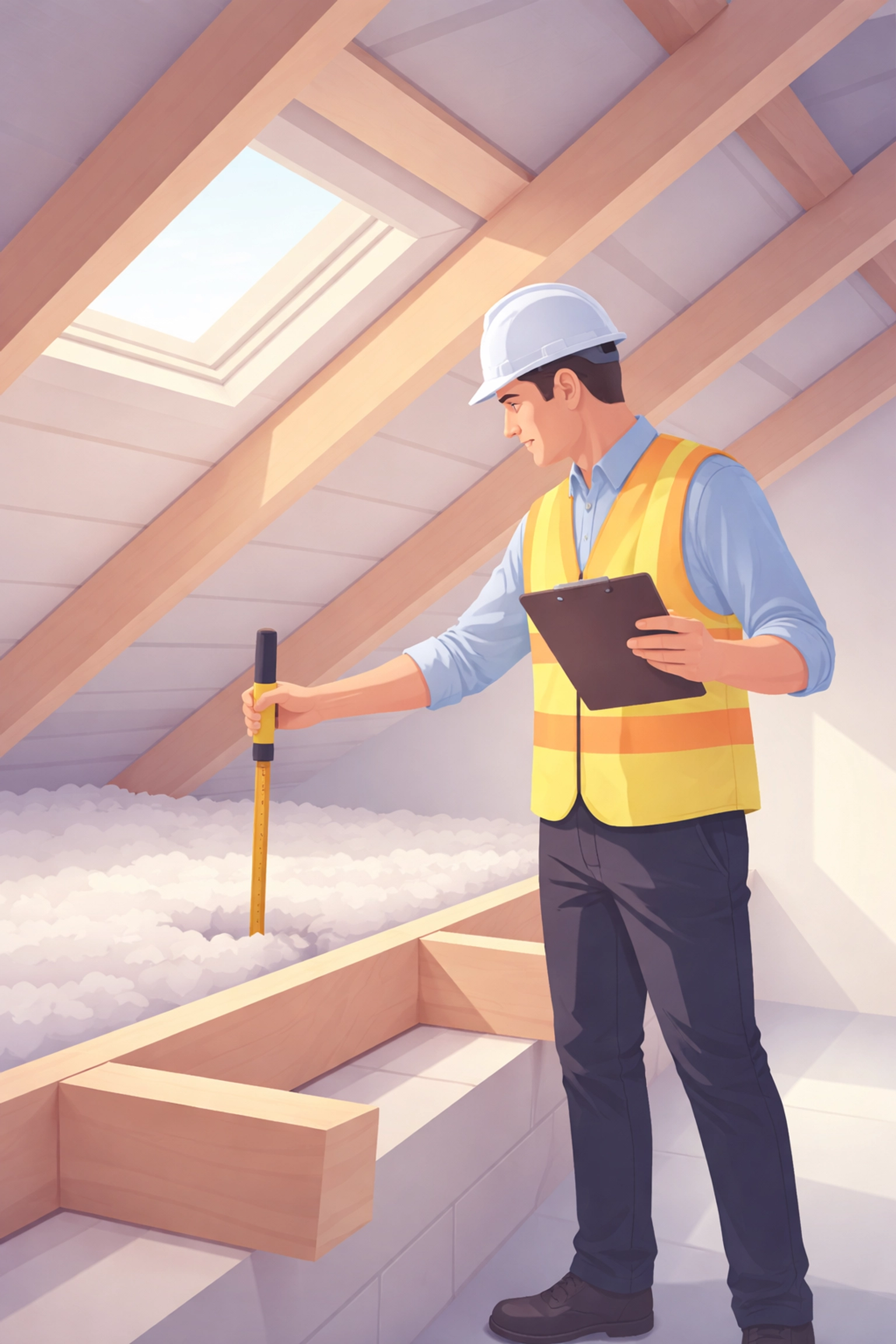
A free professional loft survey identifies:
- Current insulation depth and condition
- Ventilation issues
- Signs of damp or condensation
- Obstructions like pipes, wiring, or water tanks
- Accessibility challenges
This information ensures you get the right solution. No guesswork. No nasty surprises mid-job.
ComfySeal offers free loft surveys across the UK. Our team assesses your loft, explains your options, and provides a clear quote: all before you commit.
6. Existing Insulation Might Need Removing First
Got old, damaged, or water-logged insulation? It might need to come out before new material goes in.
Spray foam removal is a common example. Many mortgage lenders now reject properties with spray foam insulation due to concerns over roof inspections and potential damage. If you're selling or remortgaging, removal could be essential.
Find out why lenders reject spray foam.
Removal adds to the overall cost but protects your home's value and ensures a proper installation.
7. Government Grants Could Cover Part (or All) of the Cost
Here's the good news. You might not have to pay full price.
Two main schemes are available in 2026:
- ECO4 grants – Aimed at low-income households and those on certain benefits
- Great British Insulation Scheme (GBIS grants) – Broader eligibility, targeting homes with poor energy ratings
If you qualify for free loft insulation UK funding, the savings are significant. Some homeowners pay nothing at all.
Eligibility depends on your income, benefits status, and property's EPC rating. A quick check during your survey can confirm whether you qualify.
8. Loft Use Affects Your Options
Planning to use your loft for storage? That changes things.
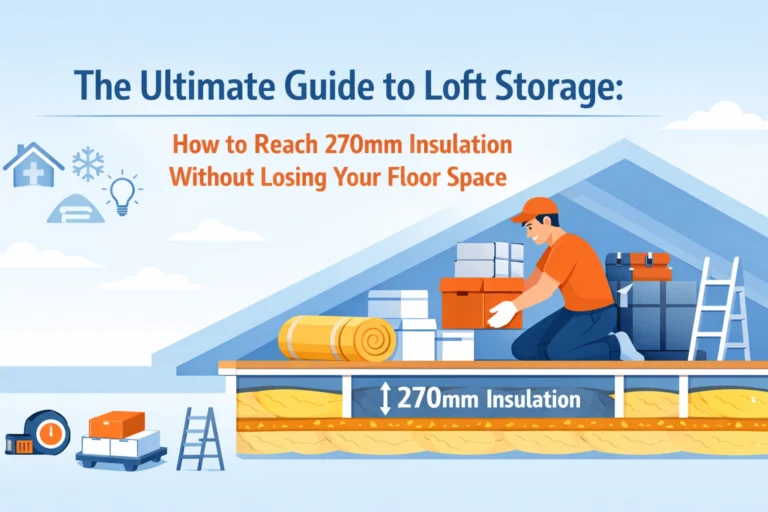
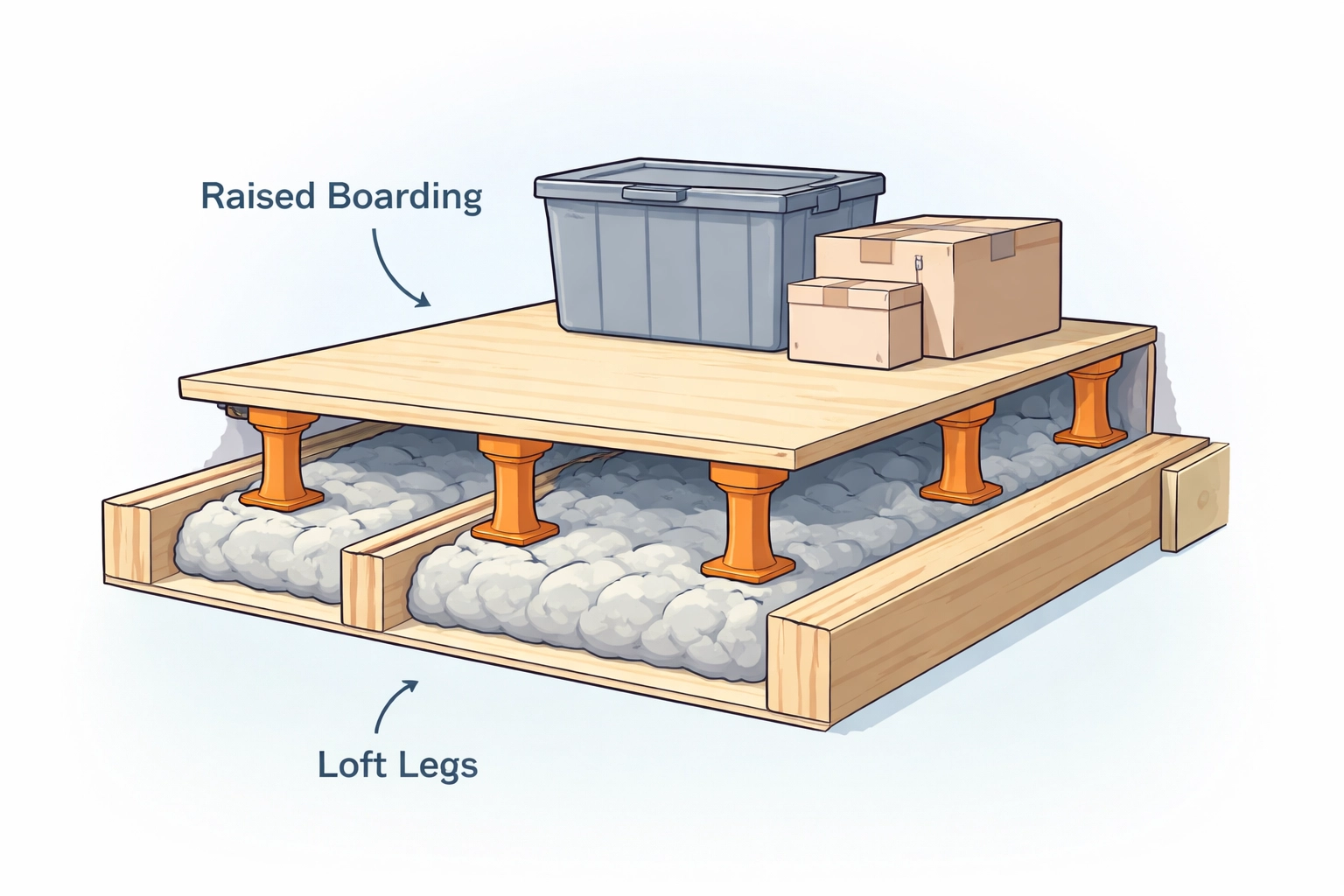
Standard insulation laid between joists gets compressed if you place boards directly on top. Compressed insulation loses effectiveness. Heat escapes. Bills go up.
The solution? Loft leg installation.
Loft legs raise the boarding above the insulation, maintaining the full 270mm loft insulation depth while giving you a solid, usable storage floor.
Alternatively, multifoil loft insulation works well for loft insulation for storage setups. It's thinner, so you lose less headroom while still hitting thermal targets.
9. Condensation Problems Need Addressing First
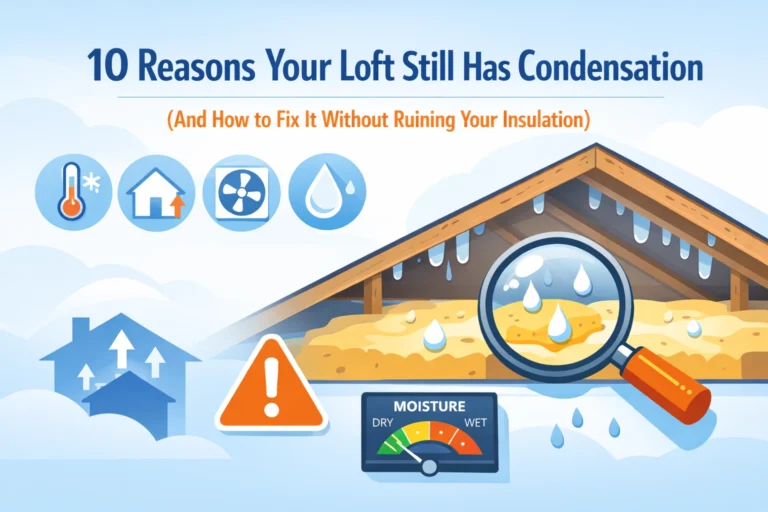
Cold lofts are vulnerable to loft condensation solutions issues. Warm, moist air from your home rises and meets cold surfaces. The result? Damp patches, mould, and potential timber damage.
Adding insulation without fixing ventilation makes this worse. The loft gets colder, condensation increases, and your new insulation gets wet.
A proper survey spots these risks early. Ventilation improvements: like soffit vents or tile vents: are quick fixes that protect your investment.
10. The Payback Period Is Surprisingly Short
Let's talk return on investment.
Loft insulation saves the average UK home £150–£240 per year on heating bills. That means a typical installation pays for itself in 2–3 years.
After that? Pure savings. For decades.
When you factor in improved comfort, reduced carbon footprint, and potential EPC improvements, it's one of the smartest energy saving upgrades for lofts you can make.
See why loft insulation is the most cost-effective upgrade.
Why Choose ComfySeal for Your Loft Insulation?
We've helped thousands of UK homeowners stop heat loss through roof spaces and cut their energy bills.
Here's what you get with ComfySeal:
- Free professional loft survey – No obligation, no pressure
- 10-year workmanship guarantee – Peace of mind, built in
- Fully insured, certified teams – Trained to the highest standards
- Transparent pricing – No hidden fees or surprises
- Material options to suit every budget – From mineral wool to multifoil
Whether you need a simple top-up, a full installation, or help with spray foam removal, we've got you covered.
Final Thoughts
Loft insulation cost 2026 varies based on your property, chosen materials, and current loft condition. But one thing stays constant: it's worth it.
The energy savings, comfort improvements, and potential grant support make this upgrade a no-brainer for UK homeowners.
Get the facts first. Book a free survey. Make an informed decision.