TL;DR: What You Need to Know This Month
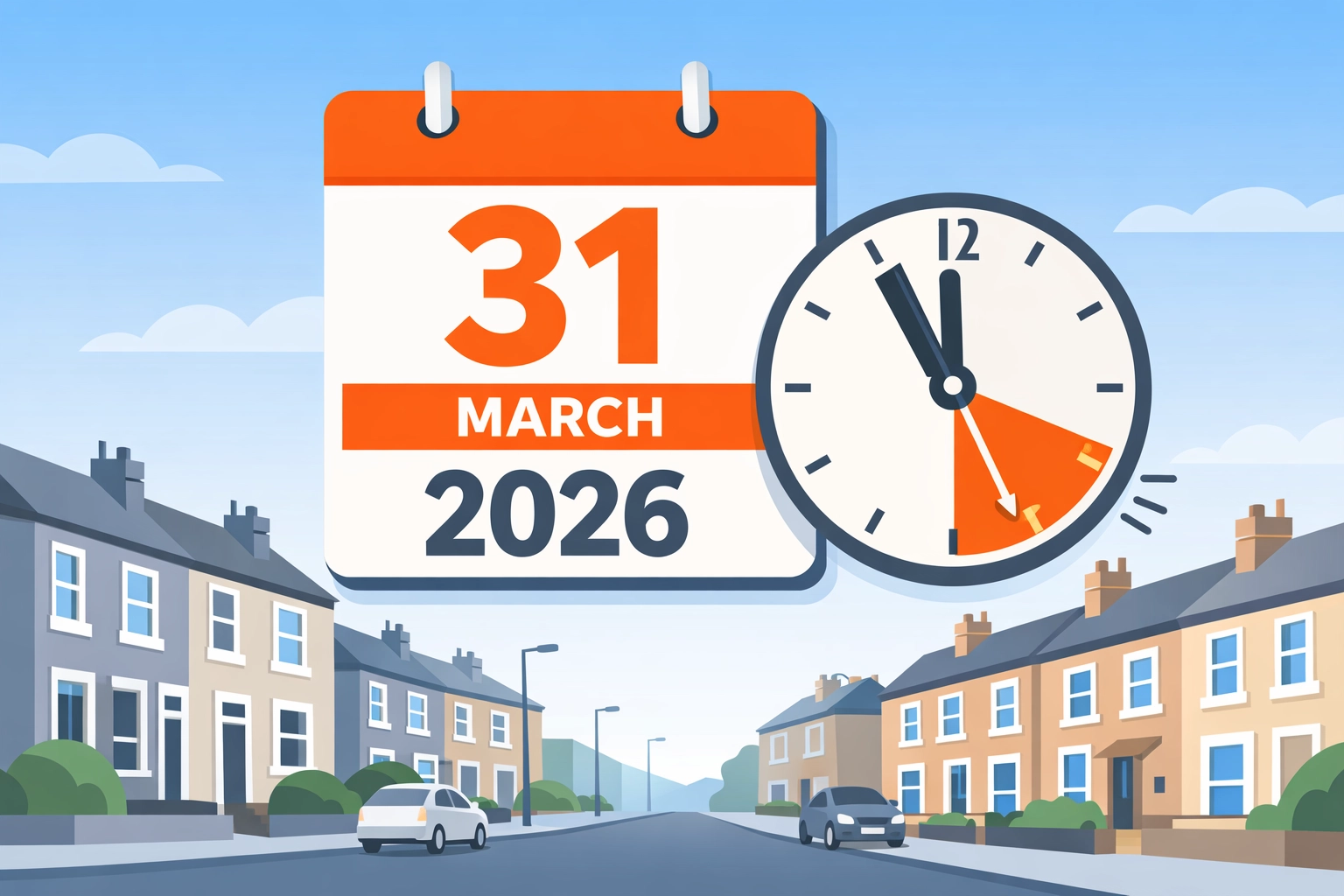
The Great British Insulation Scheme (GBIS) officially ends on March 31, 2026, that's seven weeks away. It's being replaced by the £15 billion Warm Homes Plan, announced in January 2026, which offers bigger grants, zero-interest solar loans, and fully funded packages for low-income households. ECO4 is being extended to December 31, 2026, giving you a nine-month bridge. If you're eligible for GBIS right now, apply before the deadline. If you miss it, the new plan has better options, but the rules are still being finalized. This guide explains what's ending, what's starting, and what you should do this week.
What's Actually Happening on March 31st?
GBIS closes. That's the short version.
The scheme helped thousands of homeowners get free or subsidized loft and cavity wall insulation. If you've been putting off applying, the clock is ticking.
Here's what happens next:
- March 31, 2026: GBIS applications close.
- April 1, 2026: The Warm Homes Plan officially takes over.
- December 31, 2026: ECO4 is now extended to this date (originally set to end in March).
- April 2027: The Consumer Loan Scheme launches for solar panels and heat pumps.
The government isn't leaving a gap. The transition is designed to be seamless, but you need to understand which "lane" you're in.
What Is the £15bn Warm Homes Plan?
This is the big one. The Warm Homes Plan isn't just a replacement for GBIS. It's a complete rethink of how the UK funds home energy upgrades.
The goal? Upgrade 5 million homes by 2030 and lift 1 million households out of fuel poverty.
Here's how the money breaks down:
- £5 billion in fully funded grants for low-income households.
- £2.7 billion in additional grant support (heat pumps, insulation, solar).
- £2 billion in zero and low-interest loans for all homeowners.
- Mandatory landlord standards by 2030 for rental properties.
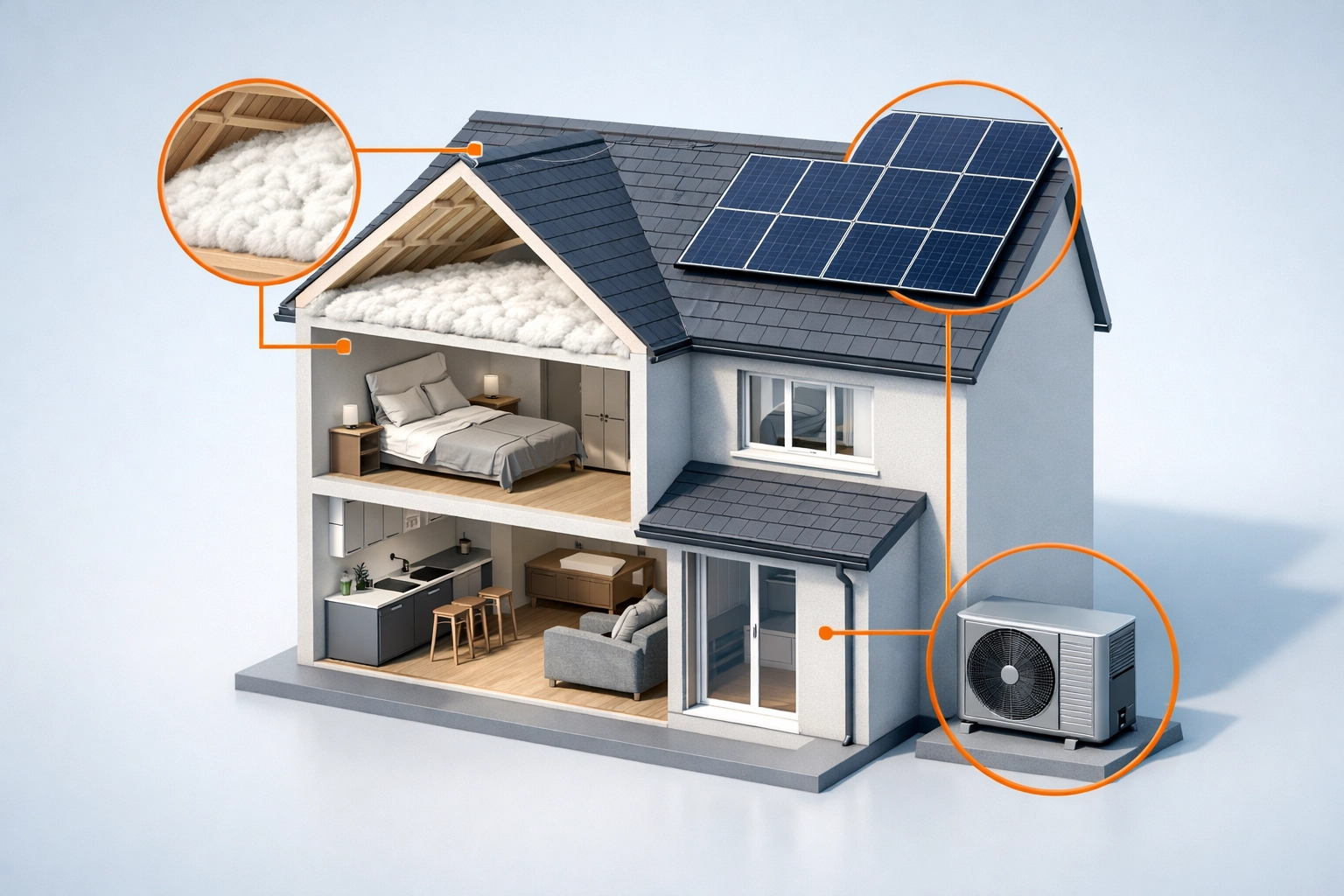
This is the most ambitious home upgrade plan the UK has ever seen. And unlike GBIS, which focused mainly on insulation, the Warm Homes Plan covers heat pumps, solar panels, batteries, and full energy packages.
GBIS vs. Warm Homes Plan: What's Changed?
| Feature | GBIS (Ending March 31) | Warm Homes Plan (Starting April 1) |
|---|---|---|
| Who qualifies? | Low-income households, EPC D–G homes | Expanded: All homeowners (loans) + low-income (grants) |
| What's covered? | Loft, cavity wall, solid wall insulation | Insulation + heat pumps + solar + batteries |
| Cost to you | Free for eligible households | Free for low-income; 0% loans for everyone else |
| Heat pump grants | Not included | £7,500 (air-to-water), £2,500 (air-to-air) |
| Solar support | Not included | 0% interest loans (launches April 2027) |
| EPC requirements | Often required EPC assessment | EPC requirements removed for heat pumps |
| Bill savings | Up to £300/year (insulation only) | Up to £600/year (full package) |
The Warm Homes Plan is more generous, but it's also more complex. You'll need to know which "route" applies to you.
The Three Funding Routes Explained
The Warm Homes Plan uses three separate delivery models. Think of them as different doors into the same building.
1. Universal Access (0% Loans for Everyone)
Starting in April 2027, all UK homeowners can apply for zero or low-interest loans to install:
- Solar panels
- Home batteries
- Heat pumps
This is part of the £2 billion Consumer Loan Scheme. No means testing. No EPC requirements. If you own your home, you qualify.
2. Fully Funded Grants (Low-Income Households)
If your household income is below a certain threshold (details confirmed in March 2026), you get 100% of the cost covered:
- Loft insulation
- Cavity and solid wall insulation
- Floor and roof insulation
- Draught-proofing
- Heat pump installation (in some cases)
This is the "free" route. It's delivered through the Warm Homes Local Grant and Boiler Upgrade Scheme.
3. Enhanced Support for Renters
Private and social landlords will be required to meet minimum energy efficiency standards by 2030. The plan includes:
- Warm Homes Social Housing Fund for council and housing association properties.
- Financial penalties for landlords who don't comply.
If you're a tenant, your landlord will be legally obligated to upgrade your home over the next four years.
Am I Eligible for Fully Funded Support?
The "free" route is for households in fuel poverty or on qualifying benefits. Exact income thresholds are being announced this month, but here's what we know so far:
You're likely eligible if:
- Your home has an EPC rating of D, E, F, or G.
- You receive income-related benefits (Pension Credit, Universal Credit, Child Tax Credit, etc.).
- Your energy bills are disproportionately high compared to your income.
- You live in social housing (council or housing association).
You'll apply through:
- Your local authority (Warm Homes Local Grant).
- The Boiler Upgrade Scheme (for heat pumps).
- ECO4 (if you apply before December 31, 2026).
If you're not sure, contact your local council. Many are already accepting pre-registrations for the April launch.
What About Heat Pumps?
This is one of the biggest changes. The Warm Homes Plan dramatically expands heat pump support.
New Boiler Upgrade Scheme Grants (2026):
- £7,500 for air-to-water heat pumps (the "traditional" kind that replaces your boiler).
- £2,500 for air-to-air heat pumps (the units that also cool your home in summer).
The government also removed the old EPC rule that required you to have no outstanding insulation recommendations. You can now get a heat pump grant without upgrading your loft first.
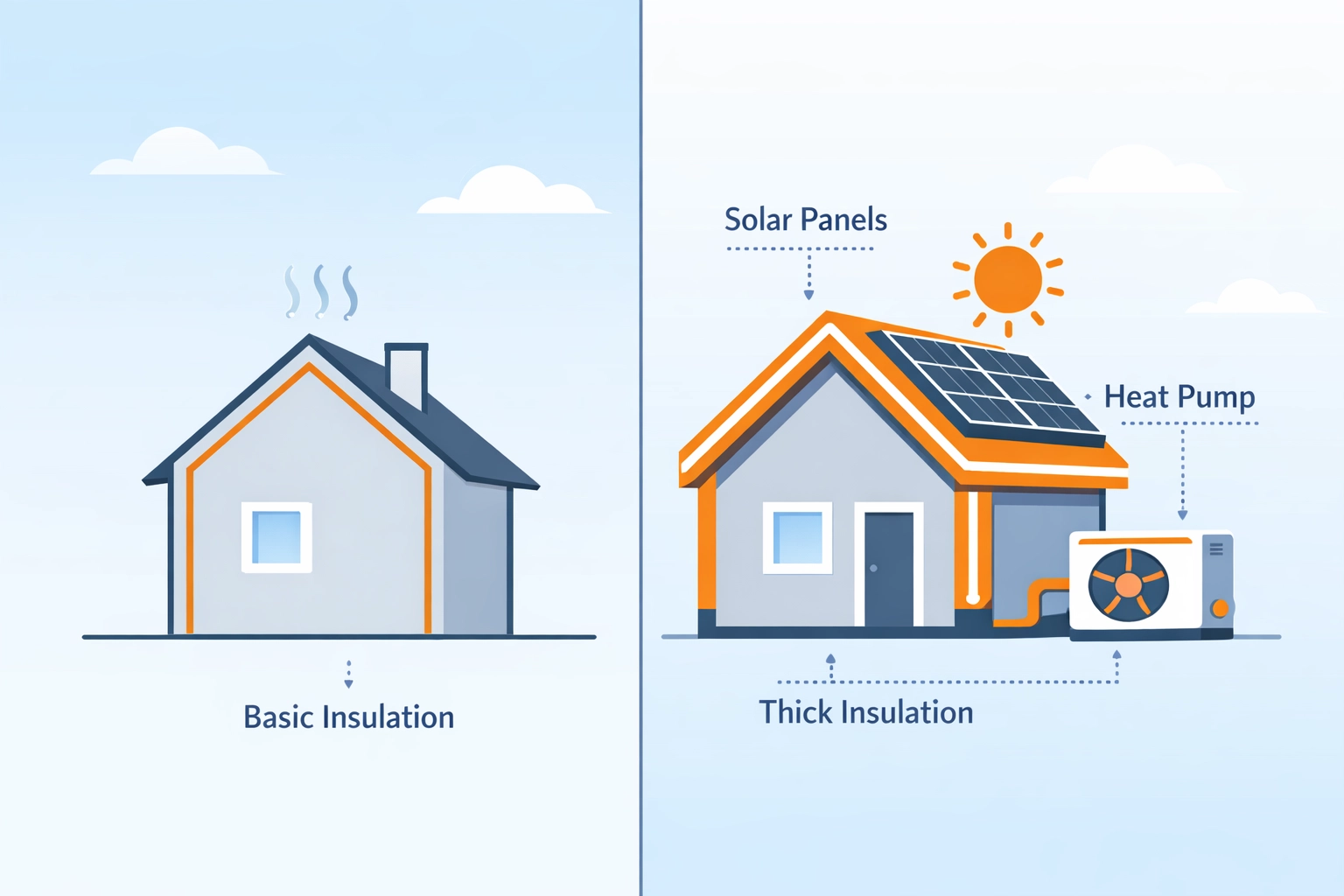
That said, you'll still save more money if your insulation is already sorted. A poorly insulated home with a heat pump is like driving a sports car with the handbrake on.
What Should I Do Right Now?
Here's your action plan based on your situation:
If You're Eligible for GBIS (Before March 31)
Apply immediately. Don't wait to see if the Warm Homes Plan is "better." GBIS is live, funded, and closing in seven weeks. You can always apply for additional support (like heat pumps) later.
If You Miss the GBIS Deadline
Don't panic. ECO4 is extended to December 31, 2026, and the Warm Homes Plan launches on April 1. Contact your local authority in March to pre-register for the new scheme.
If You're Not Eligible for Free Support
Plan to use the 0% loan route when it opens in April 2027. In the meantime, consider paying for loft insulation now if your home is draughty. At ComfySeal Ltd, we offer professional surveys and a 10-year workmanship guarantee on all installs. You can book a free consultation here.
If You're a Landlord
Start planning now. The 2030 deadline isn't far away, and there's funding available through the Social Housing Fund if your property qualifies. Failing to comply will mean penalties and unrentable homes.
Will Bills Actually Go Down This Year?
Here's the confusing bit. Ofgem is expected to announce a price cap drop on February 25th. Forecasts suggest households will save around £154 in April because the government is moving green levies (like ECO) to general taxation.
Does that mean you don't need insulation?
No. The price cap affects the "unit rate" per kWh, but your actual bill depends on how much energy you use. If your home is poorly insulated, you'll still burn through gas or electricity just to stay warm. The cap is lower, but the standing charges and overall energy costs are still at historic highs compared to pre-2021 levels.
Think of it this way: A cheaper petrol price doesn't help if your car has a hole in the fuel tank.
FAQ: Your Questions Answered
Can I still apply for GBIS after March 31?
No. The scheme closes completely. But ECO4 runs until December 31, 2026, and the Warm Homes Plan starts immediately after.
Do I need an EPC to get support?
For most grants, yes: your home needs to be rated D–G. But the Boiler Upgrade Scheme (heat pumps) no longer requires you to fix outstanding EPC recommendations first.
When can I apply for solar panel loans?
April 2027. The Consumer Loan Scheme isn't live yet, but you can register interest through your local authority now.
What if I don't qualify for free support?
You can pay privately. Professional loft insulation costs around £800–£1,500 for a typical semi-detached home and pays for itself in 3–5 years through lower bills. Get a free quote here.
Can I get both insulation and a heat pump?
Yes. In fact, that's the ideal combination. Insulate first, then install the heat pump. Your running costs will be far lower.
Final Thoughts
The GBIS deadline is real, but the Warm Homes Plan is better. If you qualify for free support right now, take it. If you miss the cutoff, the new scheme offers more generous grants, heat pump support, and solar loans.
Either way, don't sit on your hands. Energy efficiency standards are only getting stricter, and homes without proper insulation will face mortgage and sale issues down the line.
At ComfySeal Ltd, we're helping homeowners navigate this transition with professional surveys, transparent pricing, and installations backed by a 10-year guarantee. Whether you're applying for a grant or paying privately, we'll make sure the job is done right.
Book your free consultation today, and let's future-proof your home before the next price cap rise.