The leaves are turning. The mornings feel crisp. Your heating bills are about to climb.
Autumn is the perfect window to prepare your loft. Once the first frost hits, you’ll wish you’d acted sooner.
Heat rises. Without proper loft insulation, it escapes straight through your roof. That’s money floating away into the cold sky.
The good news? You still have time to fix it.
Why Autumn Is the Ideal Time
Working in a loft during summer is uncomfortable. It’s hot, stuffy, and exhausting.
Winter brings its own problems. Cold fingers. Condensation risks. Rushed decisions.
Autumn sits in the sweet spot. Temperatures are mild. Installation is comfortable. And you’re ready before the real cold arrives.
Completing your loft prep by mid-October gives you peace of mind. Your home stays warm when temperatures plummet.
The Real Cost of an Uninsulated Loft
Your loft is the biggest source of heat loss in your home. Up to 25% of your heat disappears through an uninsulated roof.
That’s not a small leak. That’s a quarter of your heating effort wasted.
Here’s what that means for your wallet:
- Higher energy bills every single month
- Longer heating times to reach comfortable temperatures
- Extra strain on your boiler or heat pump
- Cold spots in upstairs rooms
Proper insulation cuts heating costs by up to 15%. Over a few years, it pays for itself.
How Much Insulation Do You Actually Need?
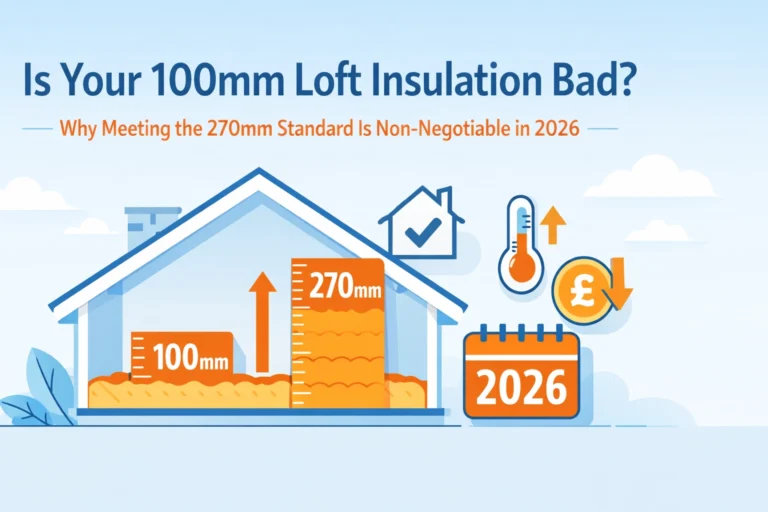
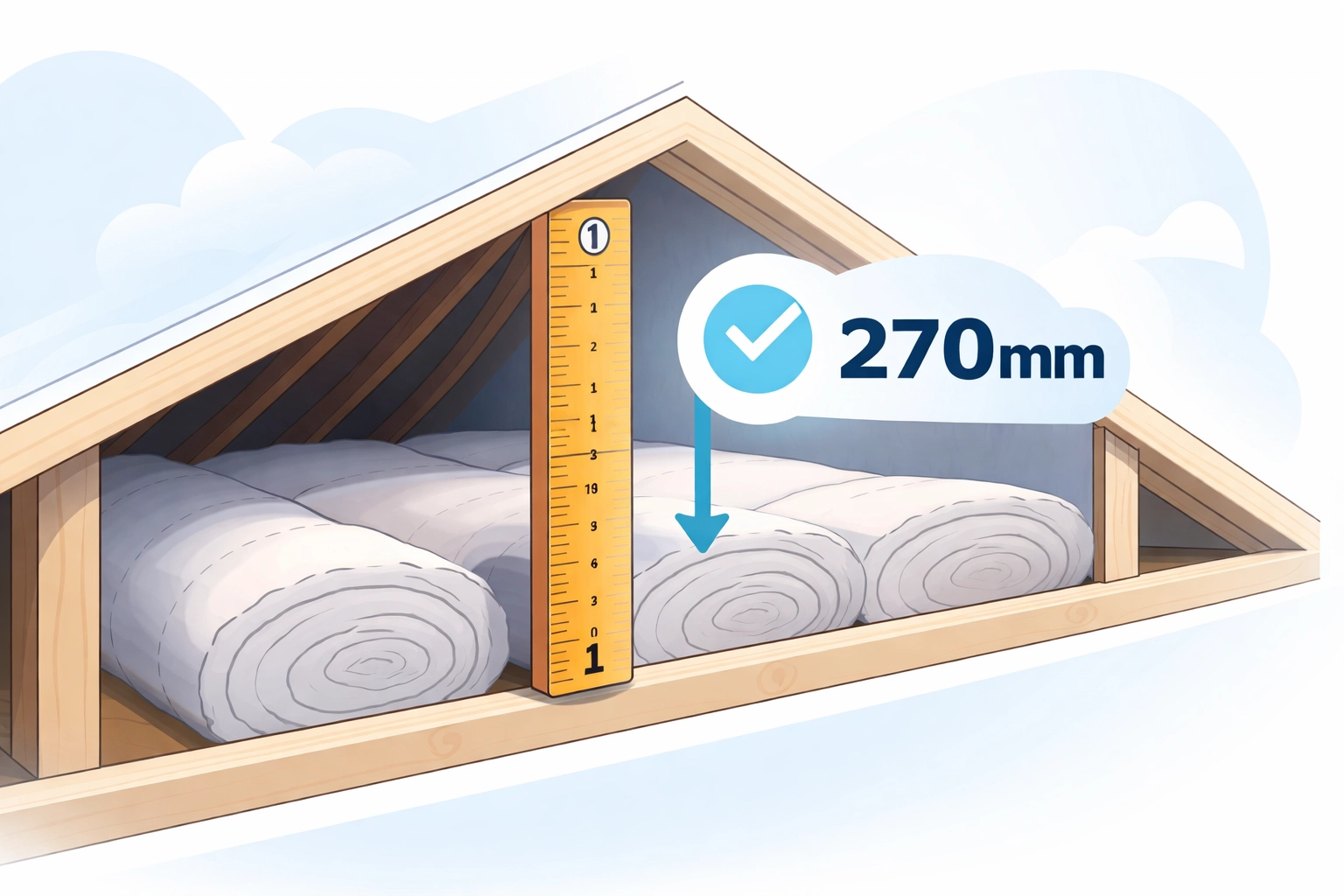
Government guidelines recommend 270mm of insulation depth. That’s the magic number for optimal thermal performance.
Most older homes fall short. Some have just 100mm. Others have patchy, compressed insulation that’s lost its effectiveness.
Check what you have. Grab a ruler. Head up to your loft. Measure the depth between your joists.
If you’re under 270mm, you need a top-up. It’s one of the simplest home improvements you can make.
Choosing the Right Insulation Material
Not all insulation works the same way. Your choice depends on how you use your loft.
1. Mineral Wool (Rockwool)
This is the classic choice. Affordable, effective, and easy to install.
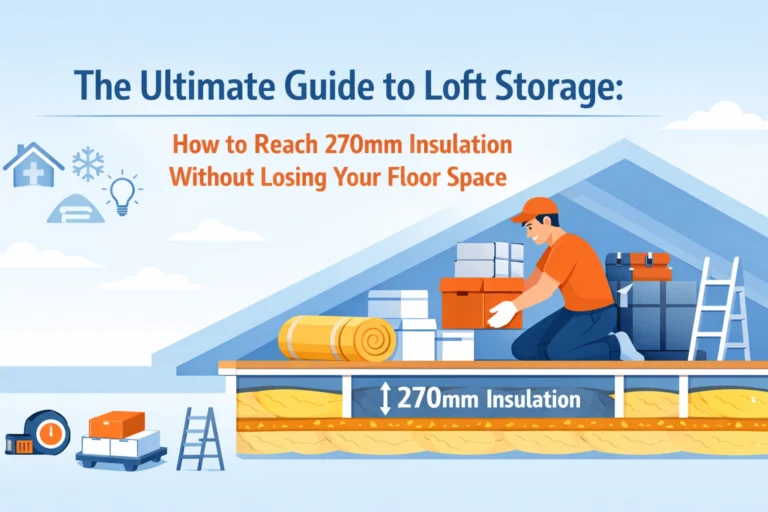
Best for: Lofts used for light storage. It sits between and over your joists.
Mineral wool is non-combustible and provides excellent thermal performance. It’s the go-to for most standard loft insulation jobs.
Interested in this option? Check out our Rockwool mineral wool top-ups.
2. Multifoil Insulation
Thin, reflective, and incredibly efficient. Perfect when space is tight.
Best for: Lofts with limited headroom or conversions where every inch matters.
Multifoil reflects radiant heat back into your home. It works differently from traditional bulk insulation.
Learn more about multifoil loft insulation and whether it suits your property.
3. Loose-Fill Insulation
Quick to install. Sold in bags and poured between joists.
Best for: Awkward spaces and quick coverage.
The downside? Pellets can shift over time. Gaps around the eaves need blocking first.
4. Rigid Board Insulation
High-performance sheets installed at rafter level.
Best for: Converting your loft into a habitable room.
Rigid boards are more expensive. But they retain heat effectively and maximise usable space.

Critical Steps for Autumn Loft Prep
Getting insulation right means more than just laying material. Preparation matters.
Seal Every Gap First
Warm air escapes through tiny holes. Pipe penetrations. Cable routes. Hatch edges.
Use expanding foam or tape to seal these gaps. It takes an hour but saves heat all winter.
Previous tradespeople often leave access points unsealed. Check around any plumbing or electrical work.
Maintain Proper Ventilation
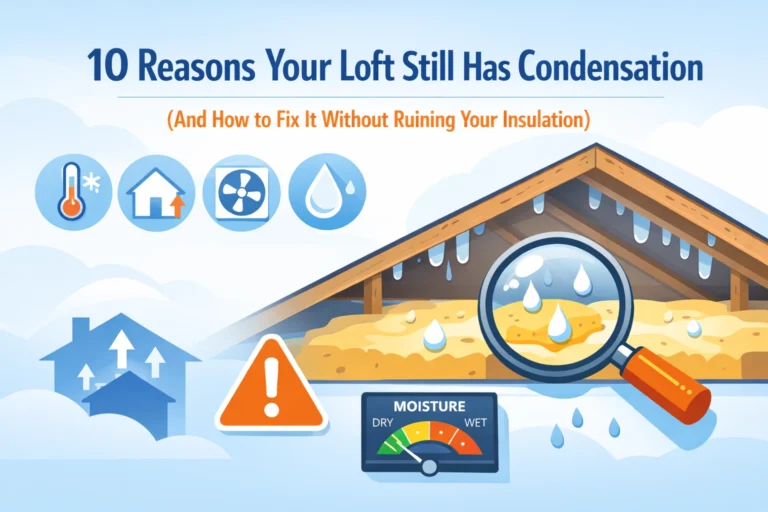
Your loft needs to breathe. Blocking ventilation causes condensation and damp.
Leave an airspace between roof felt and insulation. Keep eaves clear and unobstructed.
This prevents moisture buildup. Moisture leads to mould, rot, and structural damage.
Cover the Full Area
Partial insulation creates cold bridges. Heat finds the path of least resistance.
Extend insulation over external walls. This is where major heat losses occur.
Don’t leave corners or edges exposed. Complete coverage delivers complete protection.
Check Your Loft Hatch
The hatch is often forgotten. But it’s a direct route for heat to escape.
Add draught strips around the frame. Attach insulation to the hatch itself.
A well-sealed hatch makes a noticeable difference to upstairs room temperatures.
Signs Your Current Insulation Needs Attention
Already have insulation? It might not be doing its job.
Watch for these warning signs:
- Uneven temperatures in upstairs rooms
- Ice forming on your roof before neighbours’ roofs
- Damp patches on ceilings or in loft corners
- Compressed or thin insulation material
- Visible gaps between insulation rolls
Insulation degrades over time. Rodents, moisture, and foot traffic all cause damage.
If your insulation is over 15 years old, a professional inspection makes sense.

The Added Benefits Beyond Warmth
Loft insulation isn’t just about staying warm. The benefits extend further.
1. Lower Carbon Footprint
Less energy used means fewer emissions. Your home becomes more environmentally friendly.
2. Increased Property Value
Energy-efficient homes sell faster. Buyers check EPC ratings before making offers.
3. Improved Comfort Year-Round
Insulation works both ways. It keeps heat in during winter. It keeps heat out during summer.
Your upstairs rooms stay comfortable in every season.
4. Reduced Boiler Strain
When heat stays inside, your boiler works less. That extends its lifespan and reduces maintenance costs.
What About Spray Foam?
Spray foam insulation has become popular. But it comes with complications.
Mortgage lenders often reject properties with spray foam applied to roof timbers. It can mask structural issues and cause ventilation problems.
If you’re considering selling in the future, think carefully. Sometimes spray foam removal is necessary.
Read more about why mortgage lenders reject spray foam and what options exist.
Getting Started Is Simple
Autumn prep doesn’t need to be complicated. Here’s your action plan:
- Inspect your loft – check current insulation depth and condition
- Identify gaps – look for unsealed penetrations and cold bridges
- Choose your material – based on how you use your loft space
- Book a survey – get professional advice tailored to your property
Not sure where to start? Book your free consultation with ComfySeal. We’ll assess your loft and recommend the best approach.
Want a quick estimate first? Get a quote online in minutes.
Final Thoughts
Autumn gives you a window of opportunity. The weather is workable. The urgency is real.
Sealing your loft before the first frost protects your home, your wallet, and your comfort. It’s one of the smartest investments you can make.
Don’t wait for that first cold snap to remind you. Act now while conditions are ideal.
Your future self: wrapped in a warm home while frost coats the windows( will thank you.)