You've heard the advice. Top up your loft insulation to 270mm.
But your loft already has 100mm. That's decent, right?
Here's the truth. That extra 170mm makes a bigger difference than you might think. Let's break down the real numbers.
What Do These Numbers Actually Mean?
Insulation depth isn't just a random figure. It directly affects how much heat escapes through your roof.
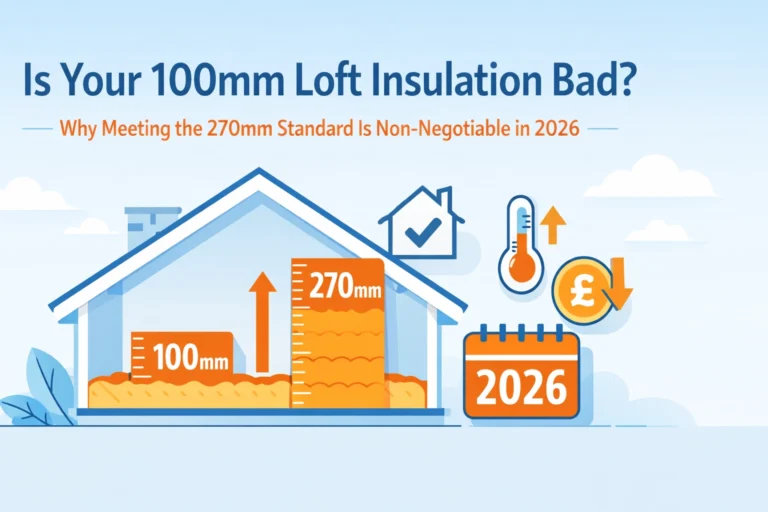
100mm of loft insulation gives you a U-value of around 0.28 W/m²K. That sounds technical. Simply put, it means heat passes through relatively quickly.
270mm of insulation achieves a U-value of 0.15-0.16 W/m²K. Heat escapes far more slowly. Your home stays warmer for longer.
The lower the U-value, the better your insulation performs. It's that straightforward.
The Science of Diminishing Returns
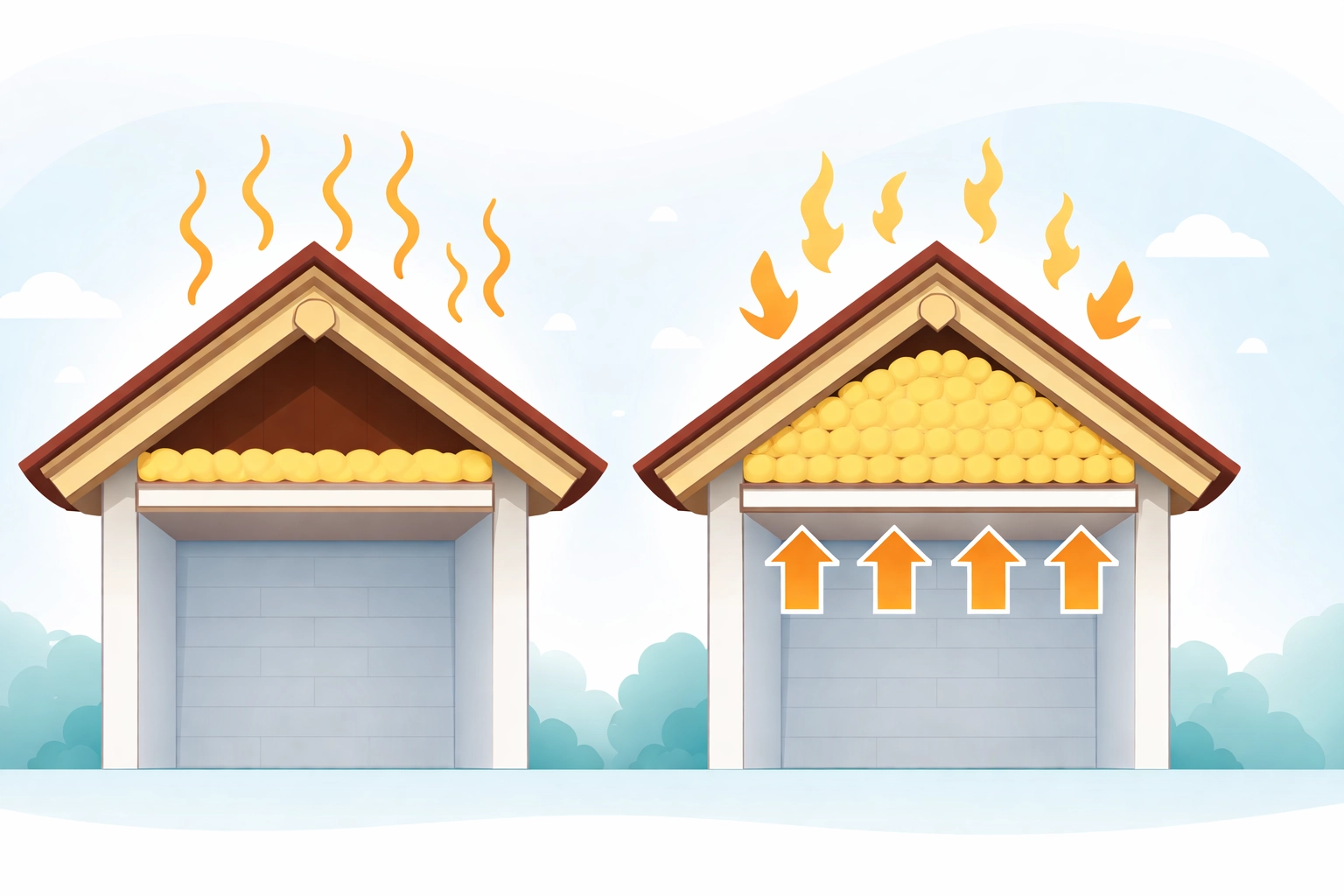
Here's something interesting about insulation. The first layer does the heavy lifting.
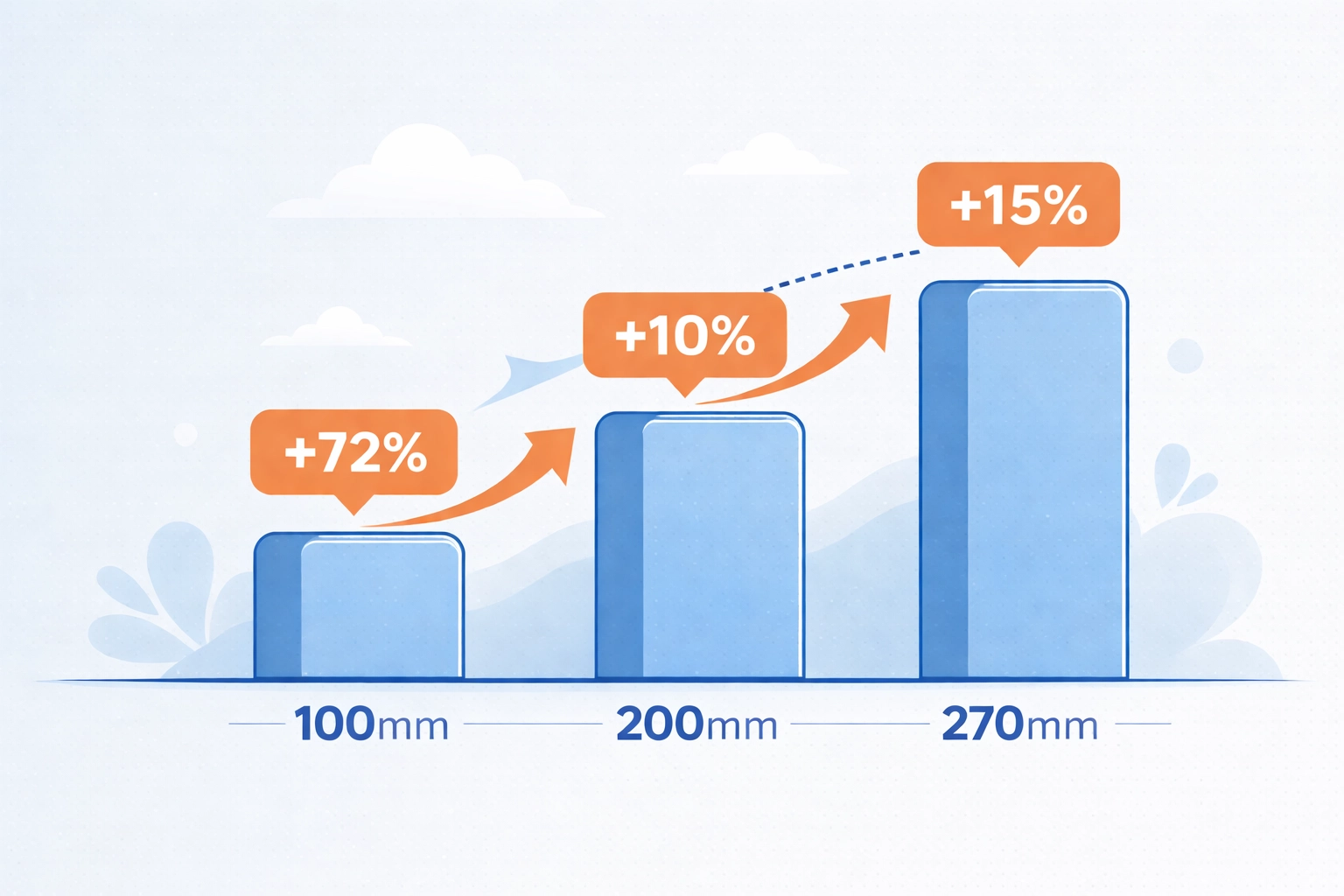
Adding the first 100mm improves thermal efficiency by 72% compared to having nothing. That's a massive jump.
But here's where it gets nuanced.
Adding a second 100mm layer? That only improves efficiency by another 10%. The jump from 200mm to 270mm adds roughly 15% more.
So yes, diminishing returns are real. Each extra layer does less than the one before.
But that doesn't mean extra depth is pointless. Far from it.
Real-World Savings: What's the Difference?
Let's talk money. That's what matters most.
With 100mm of insulation, you're losing significant heat through your ceiling. Your boiler works harder. Your bills stay high.
Upgrading to 270mm can cut your energy bills by 25-30%. That's real savings you'll notice every month.
Think about it this way:
- 100mm: Good baseline protection
- 200mm: Noticeably warmer home
- 270mm: Optimal performance and maximum savings
The extra cost of materials? Usually recovered within a few winters.
UK Building Regulations: What's Required?
Here's something many homeowners don't realise.
270mm is the legal minimum for new builds and major renovations under UK Building Regulations Part L. There's a reason for that standard.
If you're upgrading an older home? You're not legally required to hit 270mm.
But why stop short of the recommended depth? The regulations exist because 270mm represents the sweet spot. Maximum benefit without excessive overkill.
Going beyond 270mm to 400mm? Negligible additional benefits. You're just wasting money at that point.
When Is 100mm Not Enough?
Your existing 100mm might have been fine decades ago. Energy was cheaper. Standards were lower.
Today's reality is different.
100mm falls short when:
- Your heating bills keep climbing – You're compensating for heat loss
- Rooms feel cold despite the heating being on – Heat escapes faster than you can produce it
- You notice temperature differences between floors – Poor ceiling insulation is the culprit
- Your home was built before 2000 – Older standards were far less stringent
If any of these sound familiar, a top-up makes sense.

The Installation Process: Simpler Than You Think
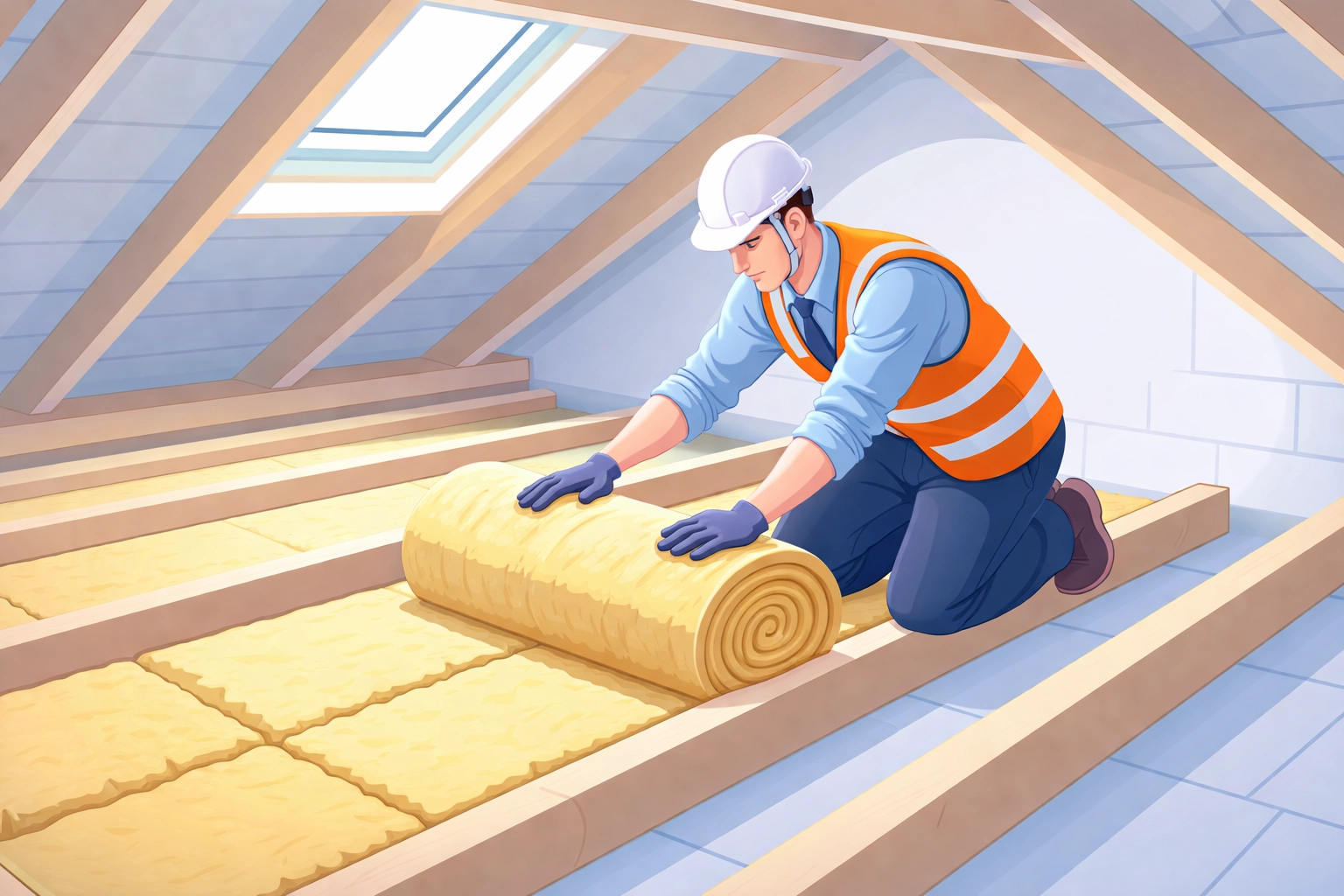
Upgrading from 100mm to 270mm isn't complicated. You don't remove the old insulation.
You simply add a new layer on top.
The process typically involves:
- Laying cross-joists perpendicular to existing insulation
- Rolling out additional mineral wool to reach 270mm total
- Ensuring no gaps or compression that would reduce effectiveness
Most lofts take just a few hours to complete. Minimal disruption. Maximum impact.
Interested in how this works for your home? Book a free consultation to get expert advice.
What About Different Insulation Types?
Not all insulation performs equally at the same depth.
Mineral wool and cellulose need 270mm to achieve optimal U-values. They're affordable and widely used.
Multifoil insulation achieves similar performance in much less space. Perfect for lofts where headroom matters. Learn more about multifoil loft insulation if space is tight.
Rockwool top-ups work brilliantly over existing insulation. They add fire resistance and soundproofing too. Check out our guide to Rockwool mineral wool top-ups for details.
The right choice depends on your loft layout and priorities.
Crunching the Numbers: A Quick Comparison
Let's put the facts side by side.
| Factor | 100mm | 270mm |
|---|---|---|
| U-value | 0.28 W/m²K | 0.15-0.16 W/m²K |
| Heat retention | Basic | Excellent |
| Energy bill savings | Moderate | 25-30% reduction |
| Meets current standards | No | Yes |
| Cost to install | Lower | Slightly higher |
| Payback period | N/A | 2-4 years typically |
The numbers speak for themselves. The upgrade pays for itself.
Common Concerns Addressed
"My loft is already insulated. Why bother?"
Because 100mm was yesterday's standard. Today's energy prices demand better performance.
"Will it make that much difference?"
Yes. The jump from 0.28 to 0.16 U-value is significant. You'll feel it in comfort and see it in your bills.
"Is it expensive?"
Mineral wool is one of the most affordable insulation materials. The investment typically recovers within a few heating seasons.
"Will it cause problems with my roof?"
Proper installation includes ventilation considerations. No condensation issues when done correctly.
Got more questions? Visit our FAQ page or get in touch.
Who Benefits Most From the Upgrade?
Some homes see bigger improvements than others.
You'll benefit most if:
- Your home was built before 2000
- You have original or thin insulation
- Your loft space is accessible
- You plan to stay in your home long-term
- You're tired of high energy bills
The upgrade matters less if:
- You already have 200mm+ installed
- You're moving house imminently
- Your loft has complex access issues
Not sure where you stand? Get a free quote tailored to your property.
The Environmental Angle
Better insulation isn't just about saving money. It's about reducing your carbon footprint.
Less heat escaping means less energy consumed. Less energy consumed means lower emissions.
270mm of quality insulation helps your home work efficiently. Your boiler runs less. Your impact shrinks.
It's a simple upgrade with lasting environmental benefits.
Final Thoughts
The extra depth from 100mm to 270mm is absolutely worth it.
Yes, diminishing returns exist. The first 100mm does the most work. But stopping there leaves significant savings on the table.
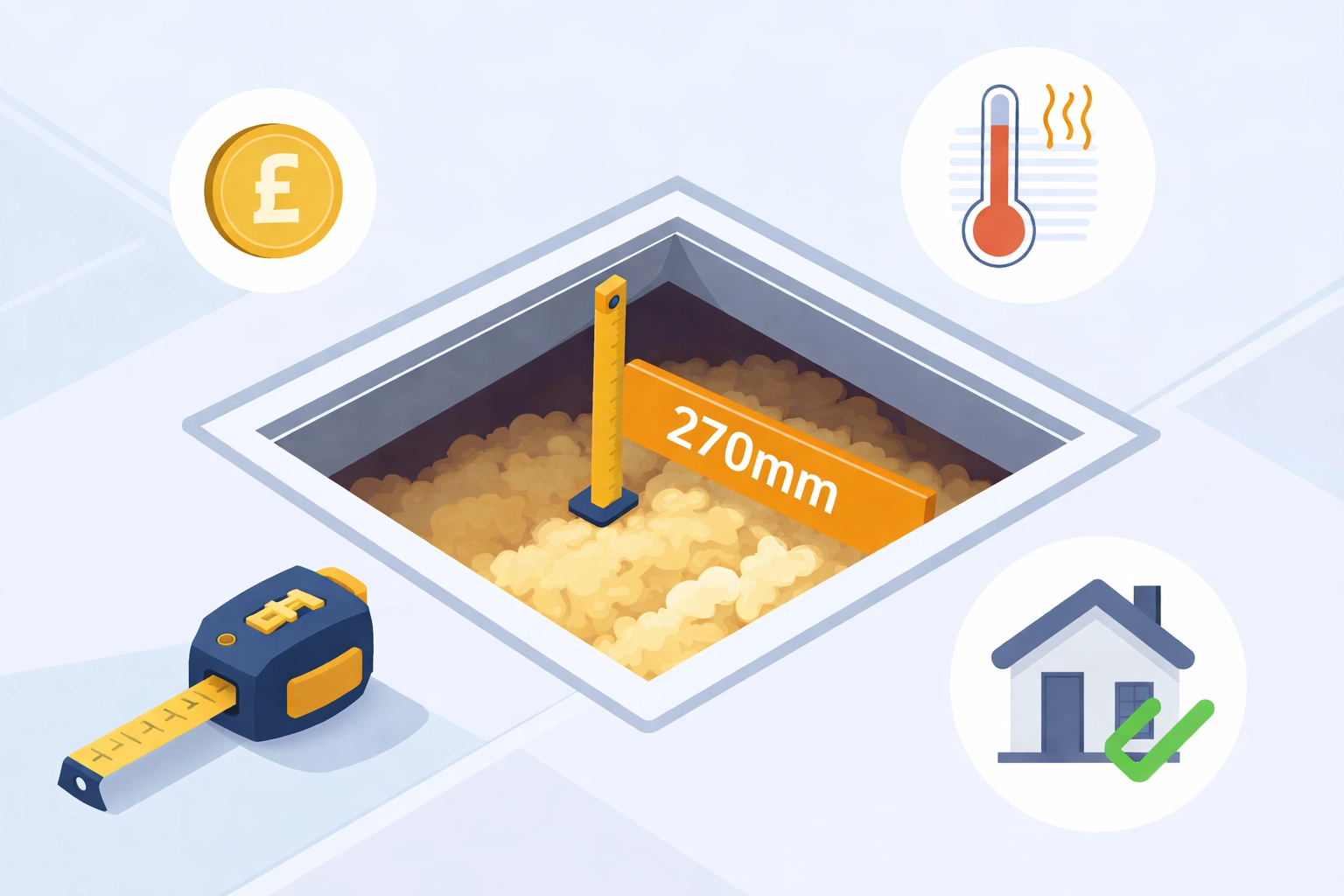
270mm delivers the best balance of cost, performance, and practicality. It meets modern standards. It cuts bills by up to 30%. It makes your home noticeably more comfortable.
The upgrade is straightforward, affordable, and pays for itself quickly.
If your loft insulation is sitting at 100mm or less, now's the time to act. Book your free consultation with ComfySeal Ltd and find out exactly what your home needs.